Hervorgehoben

SPINNING BODIES – CYCLING SOUNDS

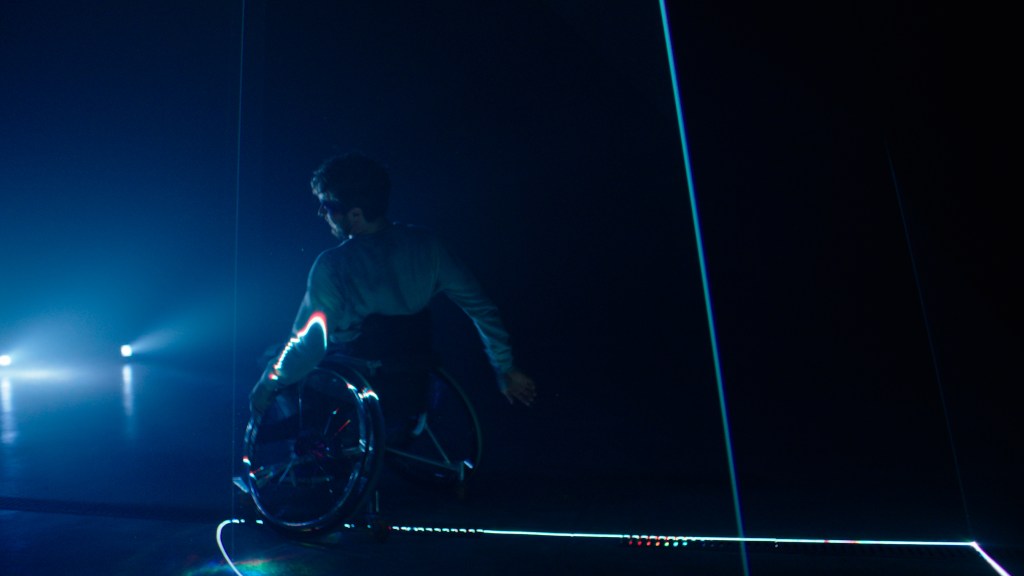
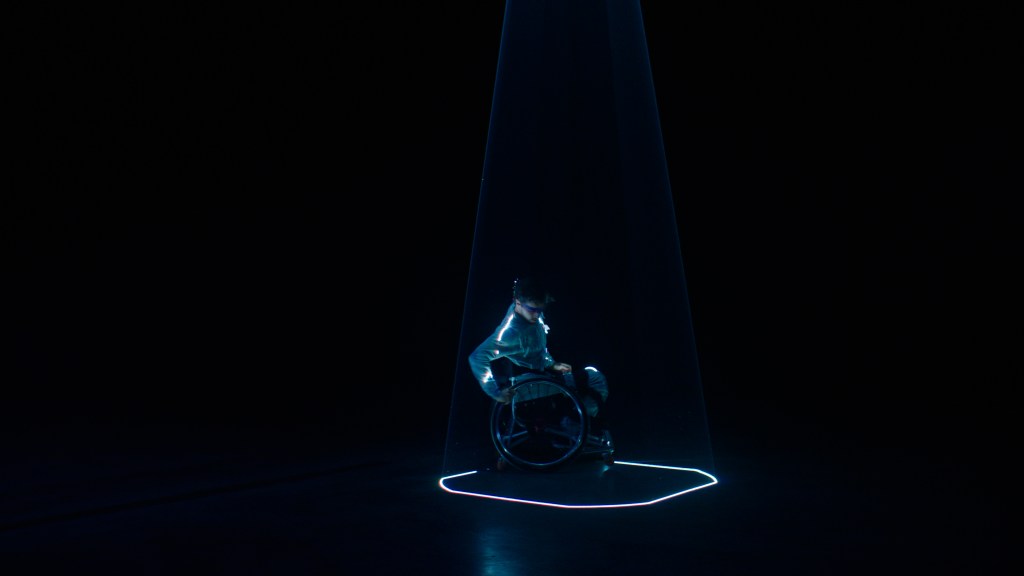
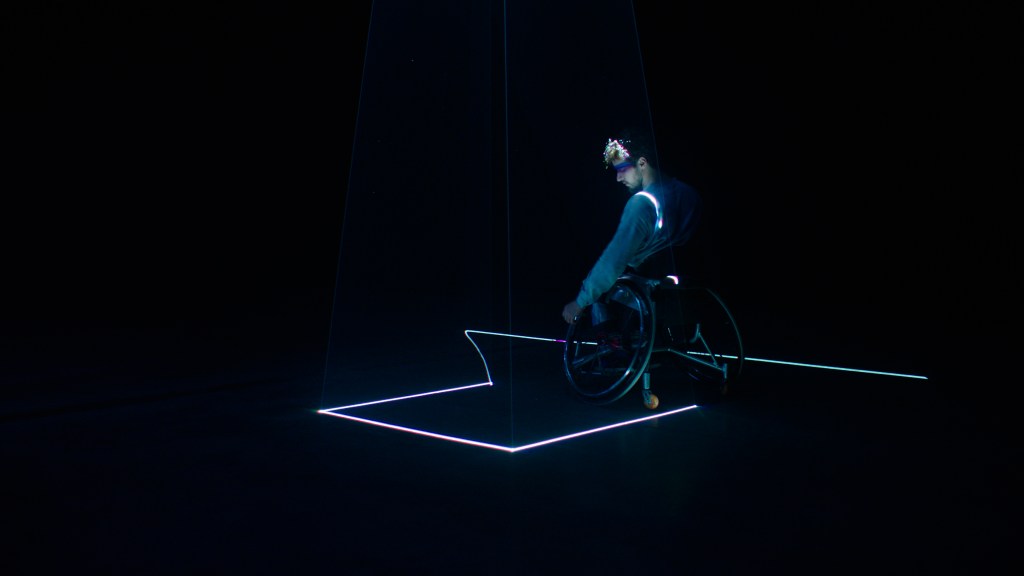
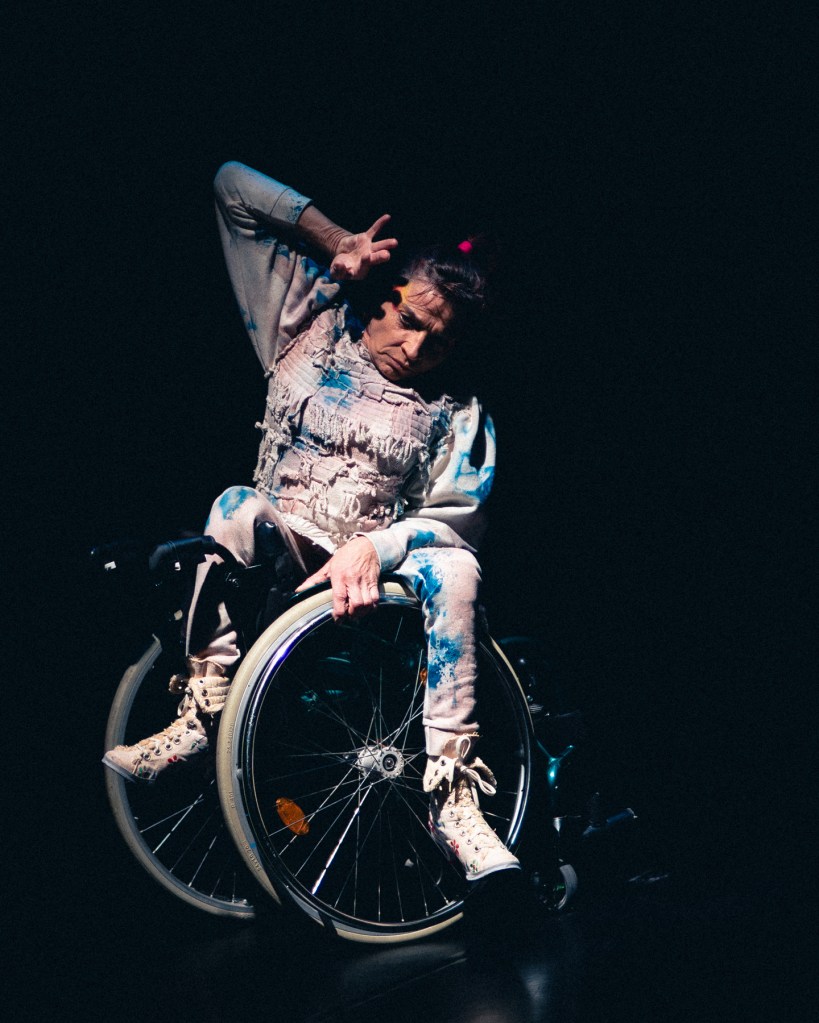
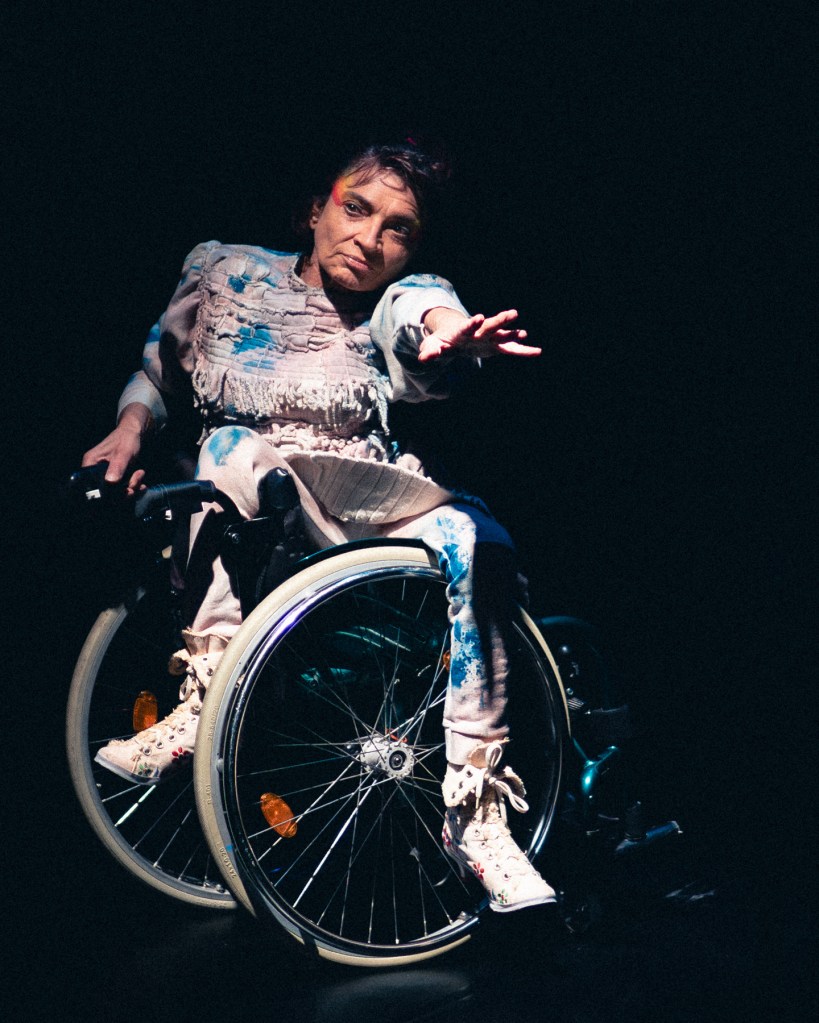
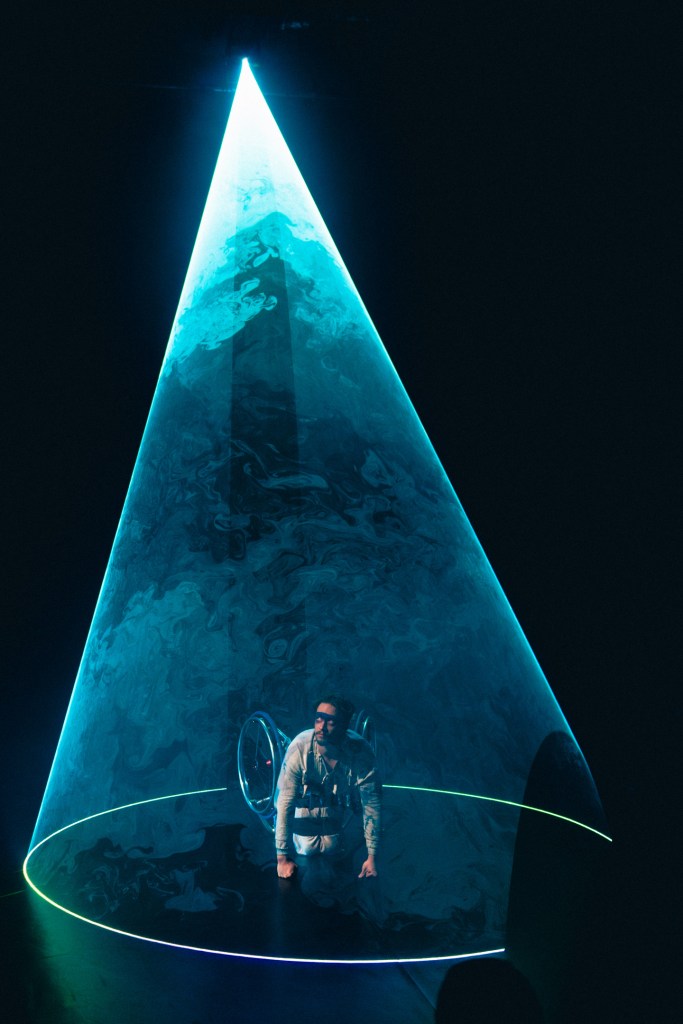
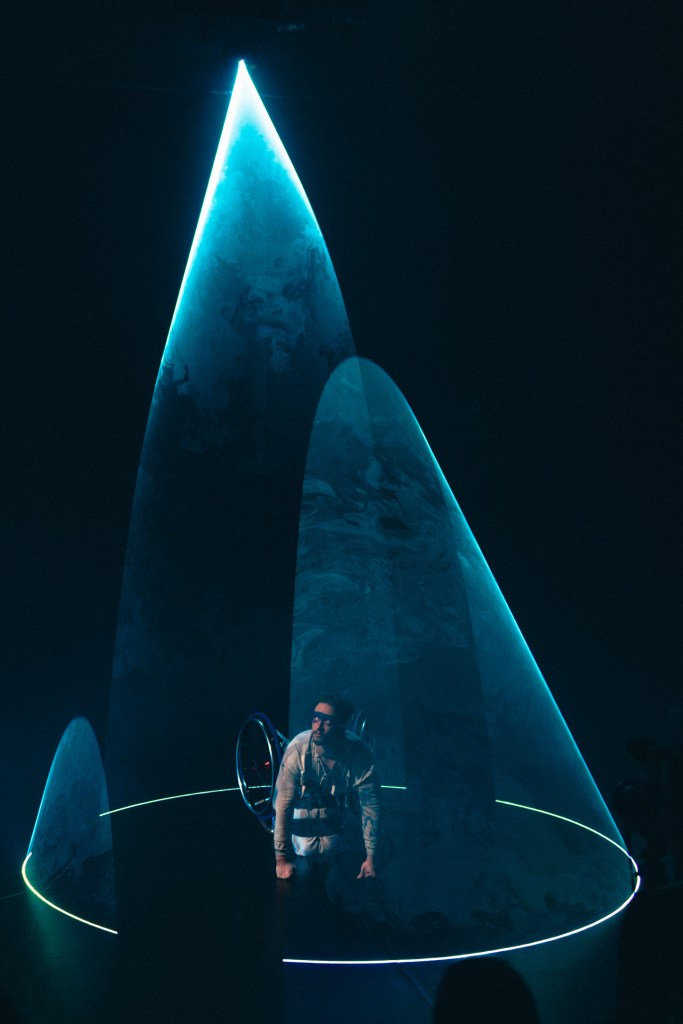
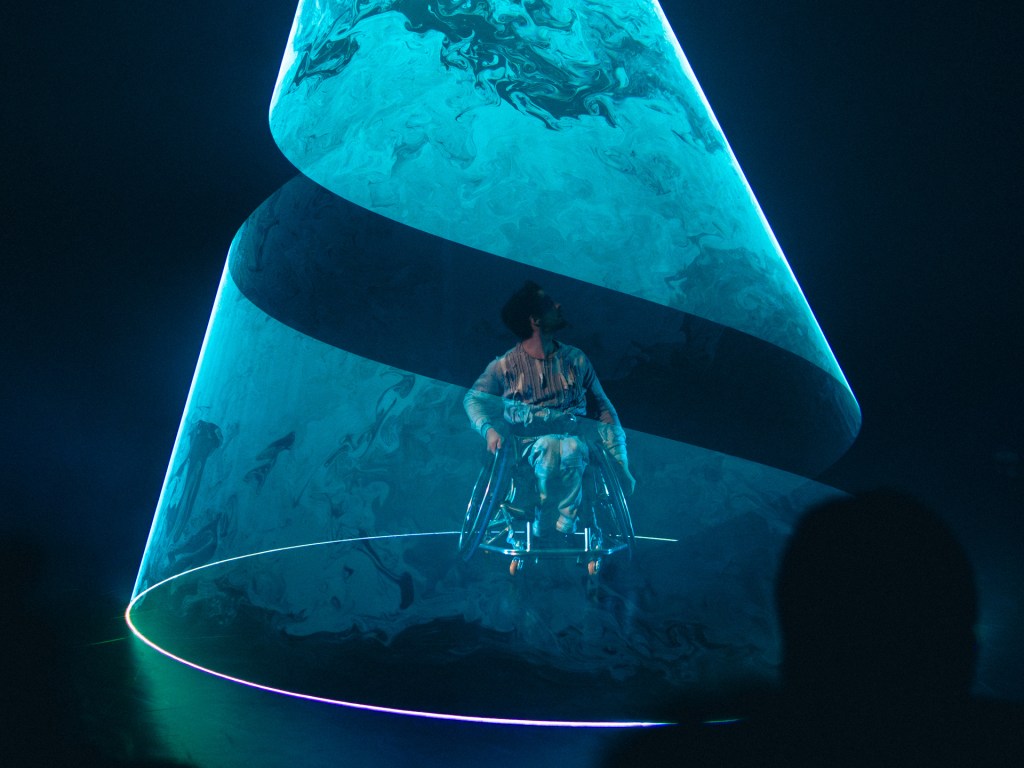
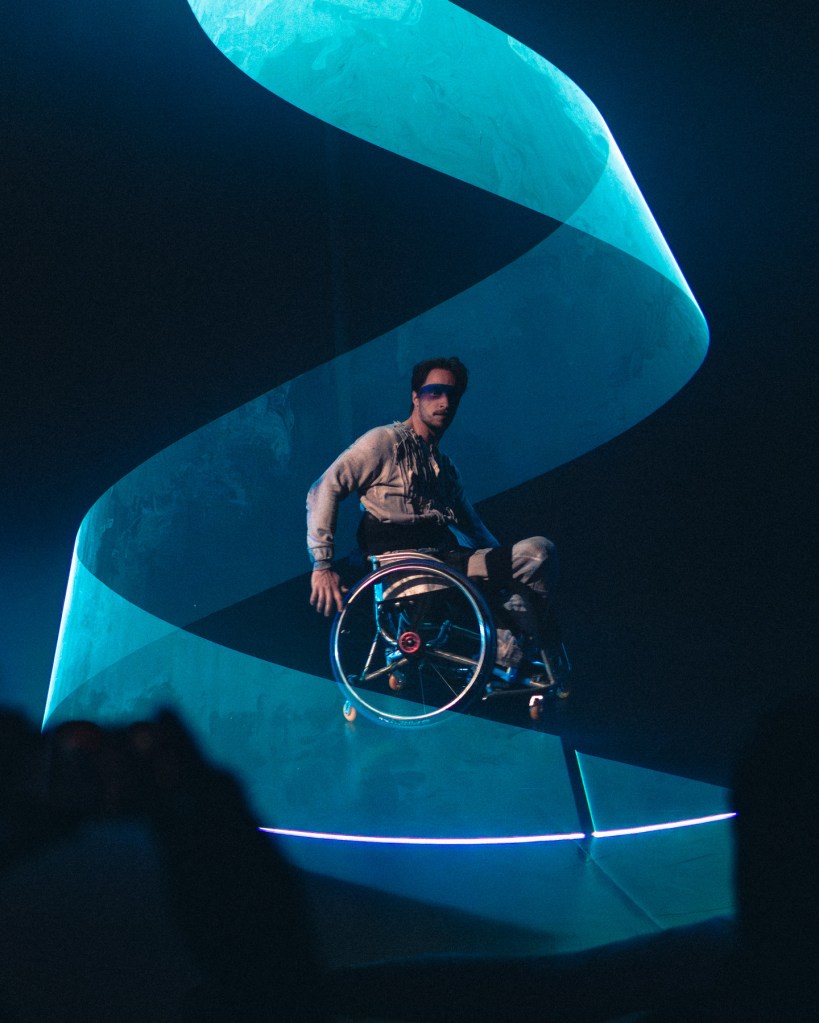
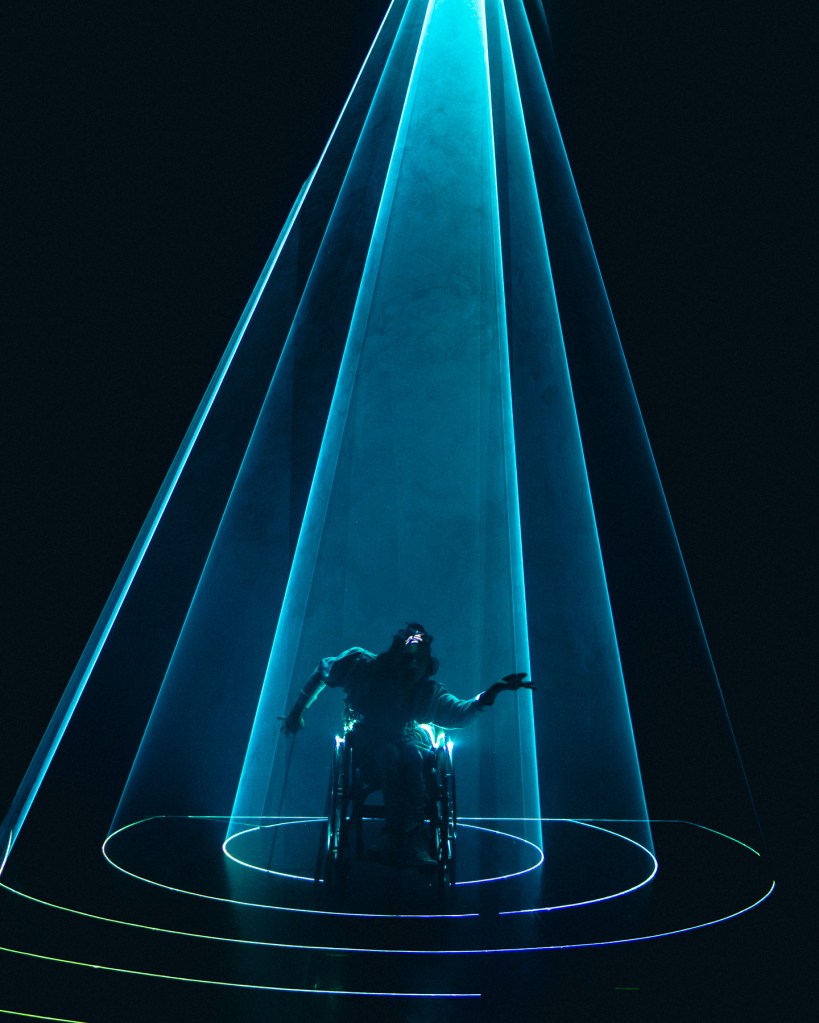
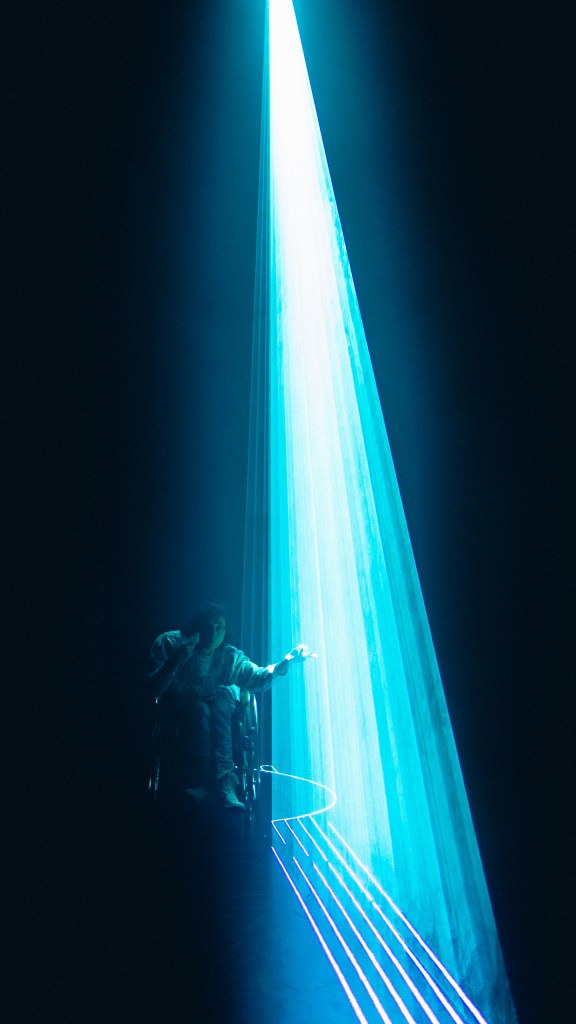
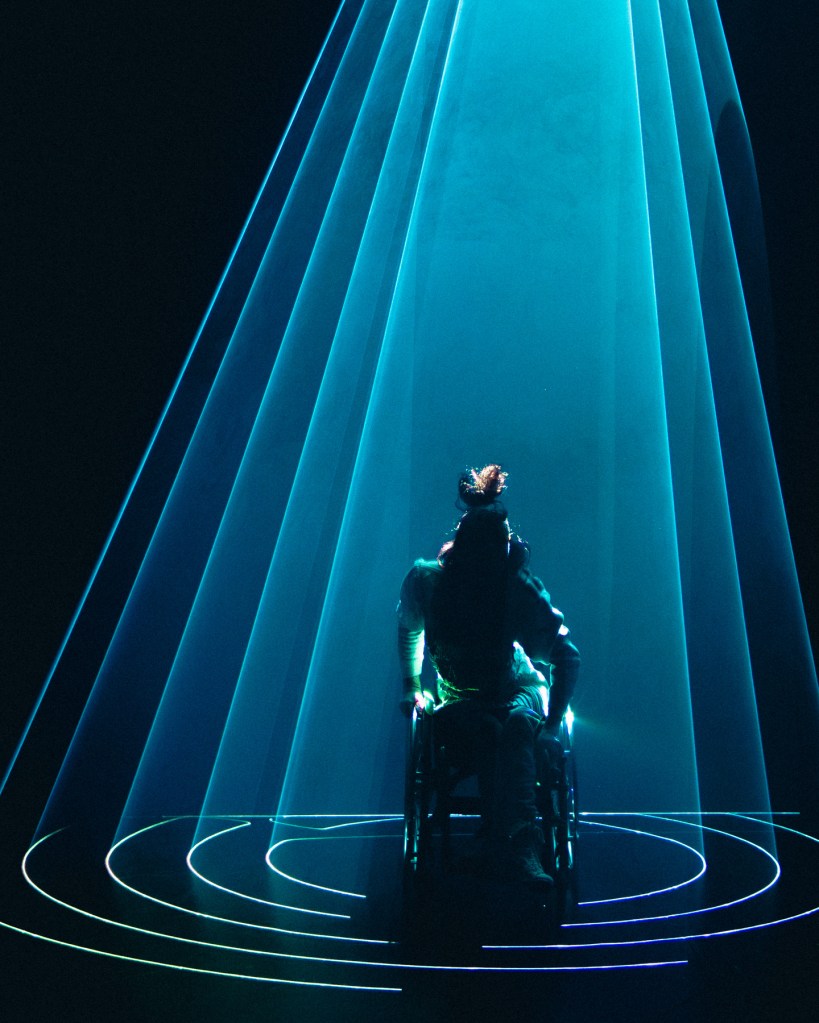
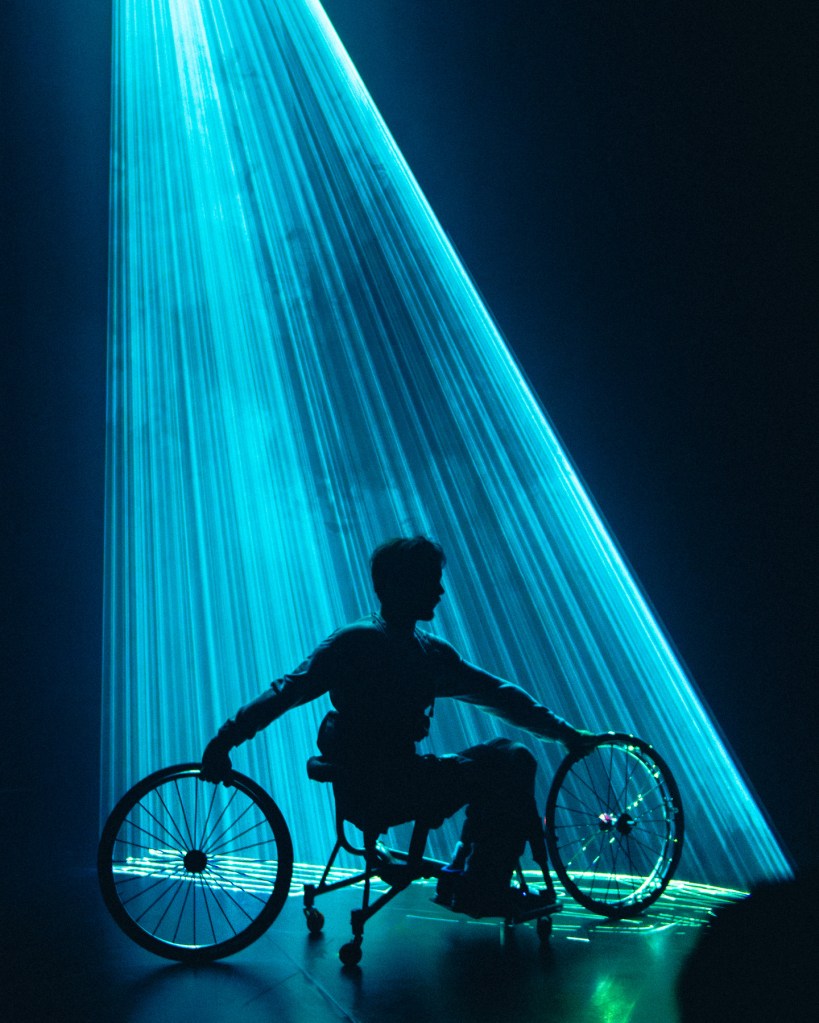
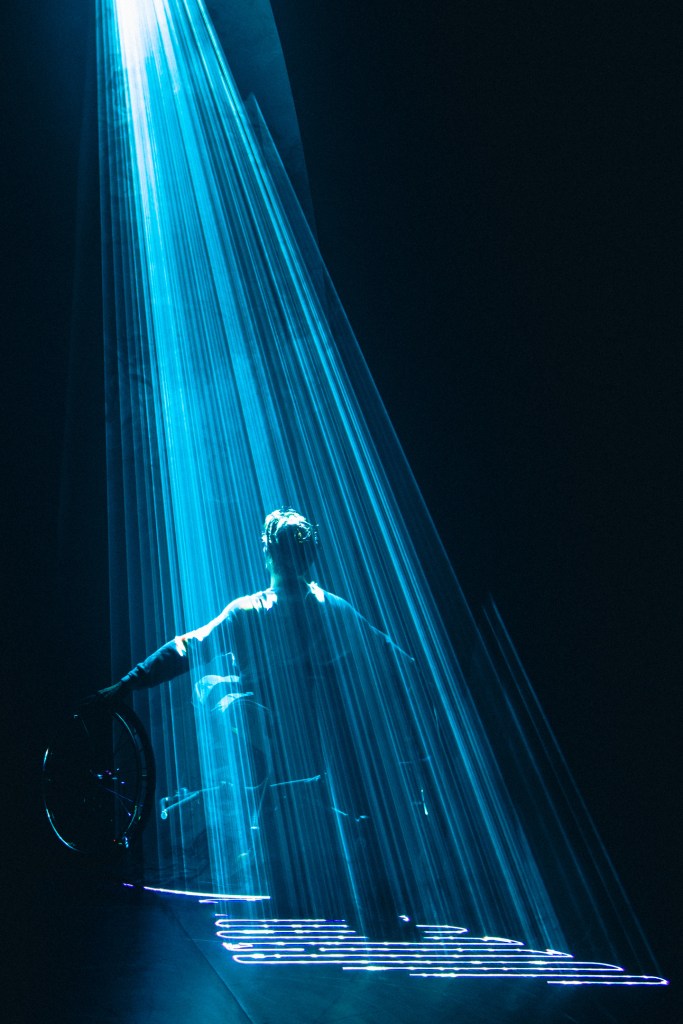
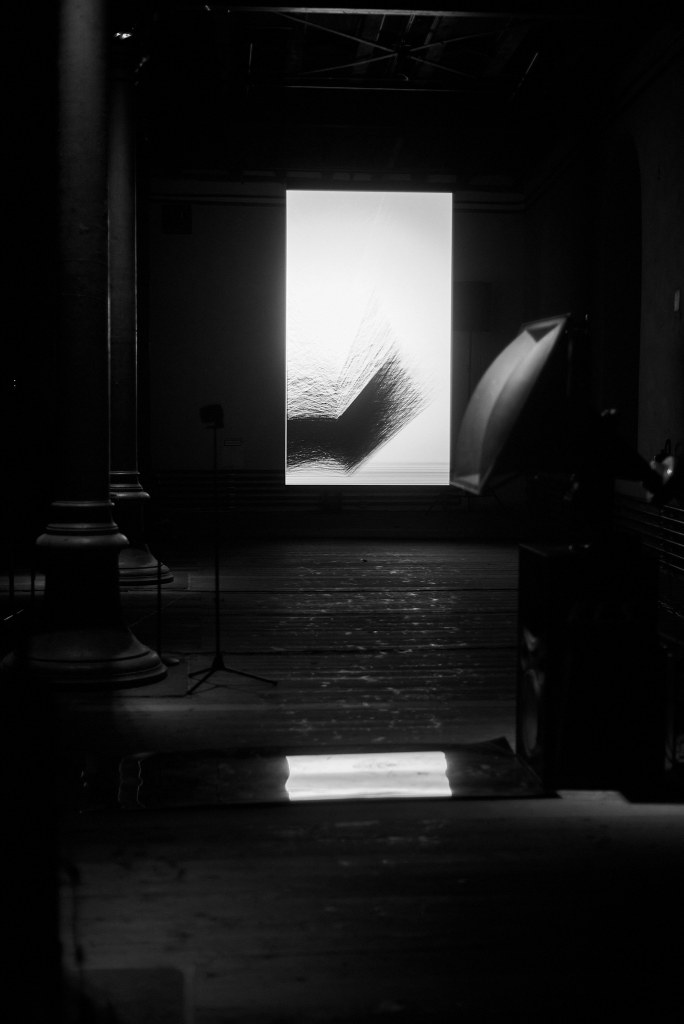
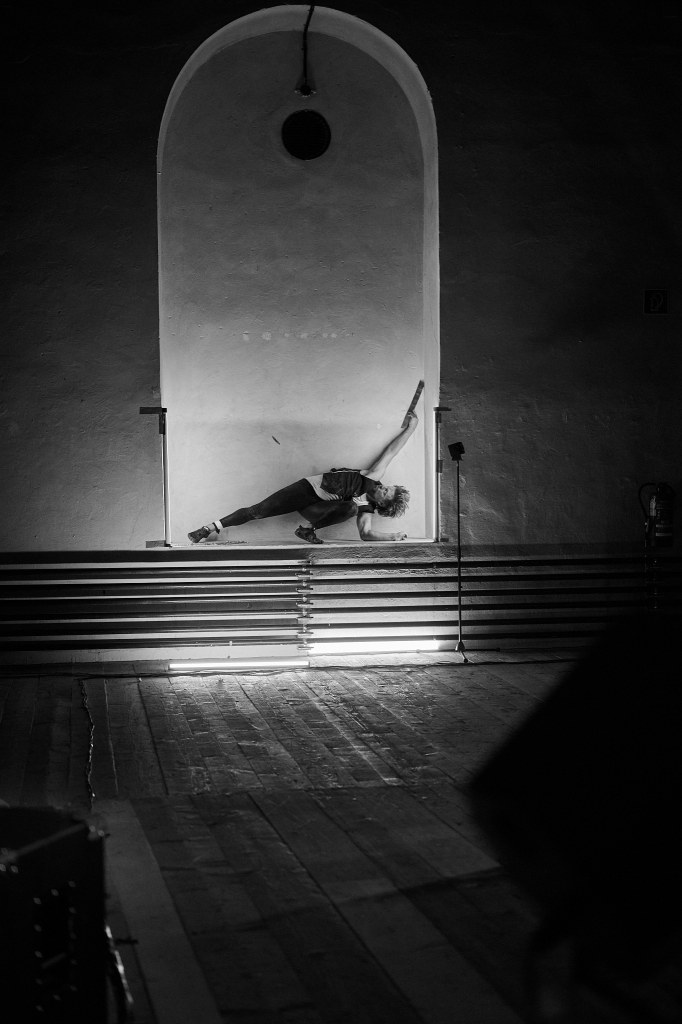
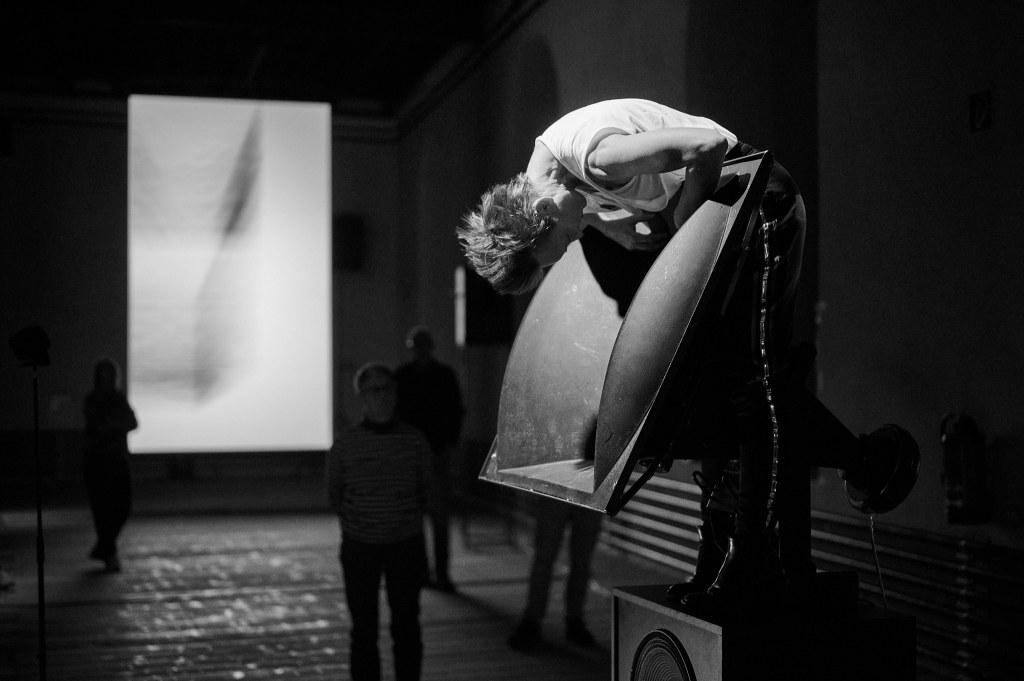
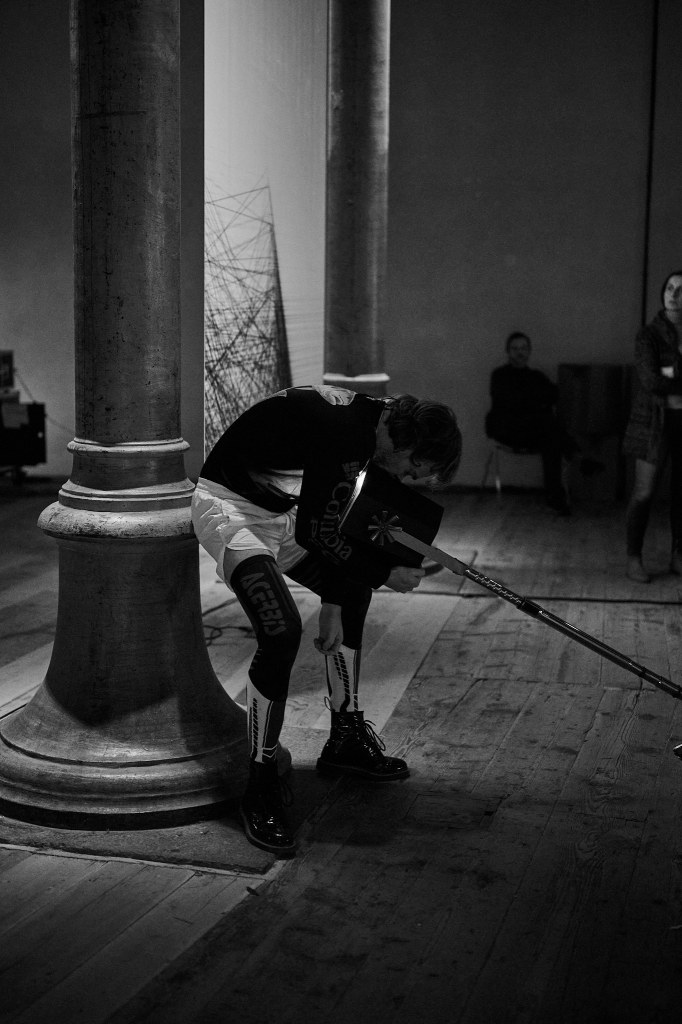
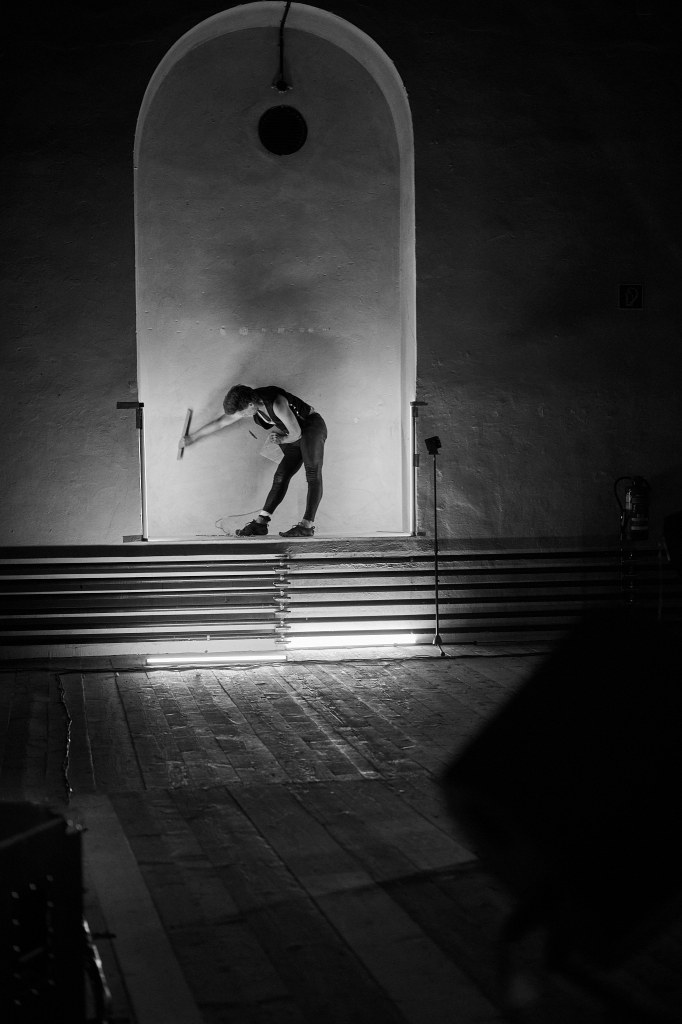
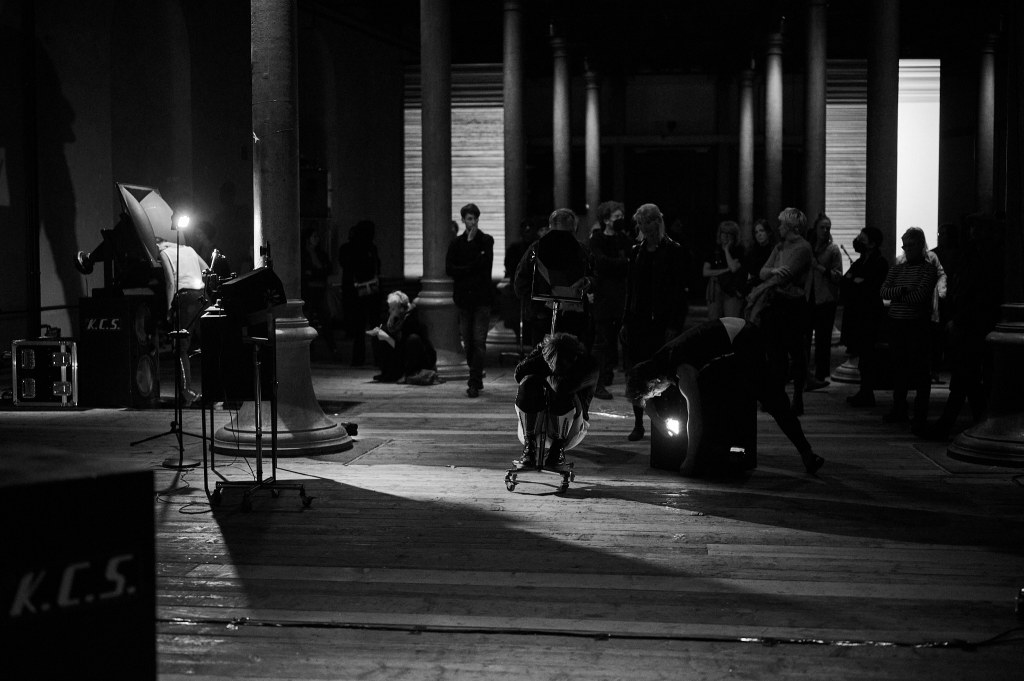
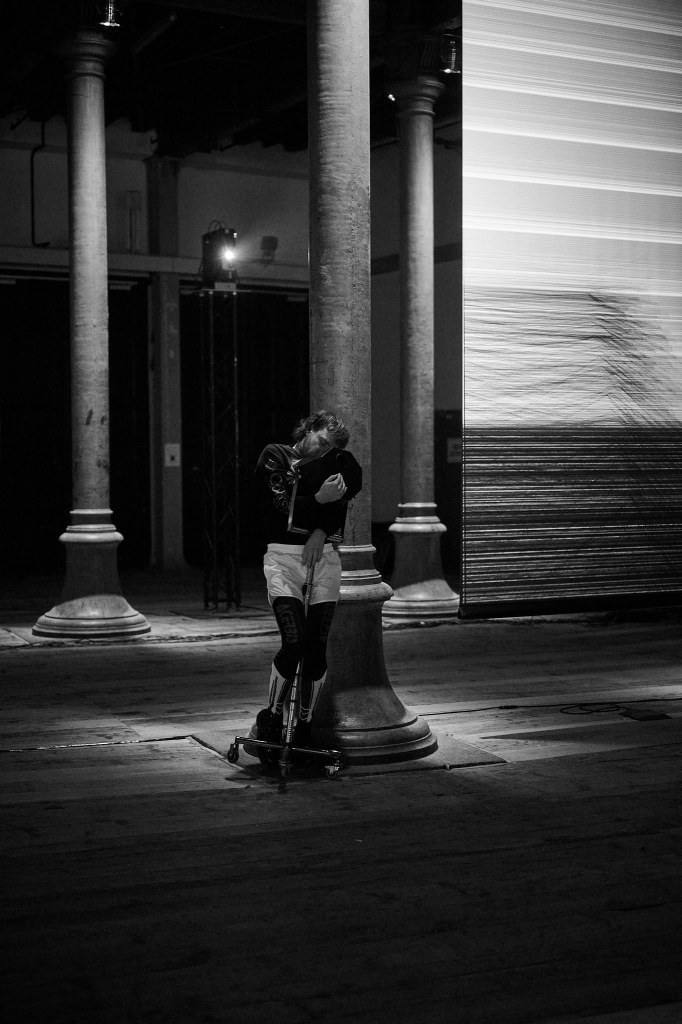
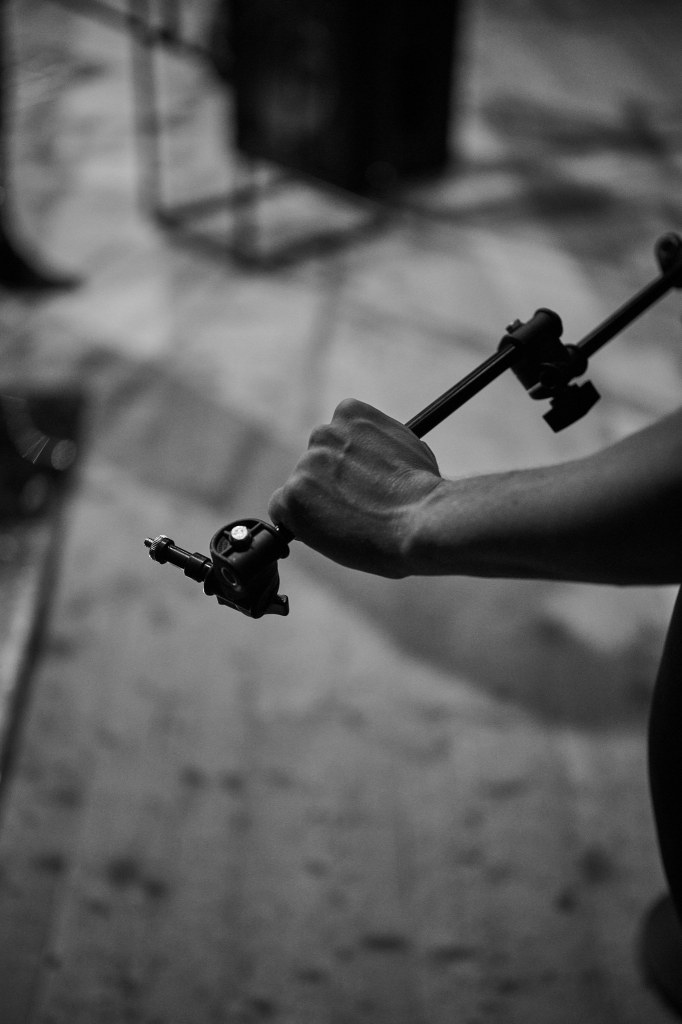
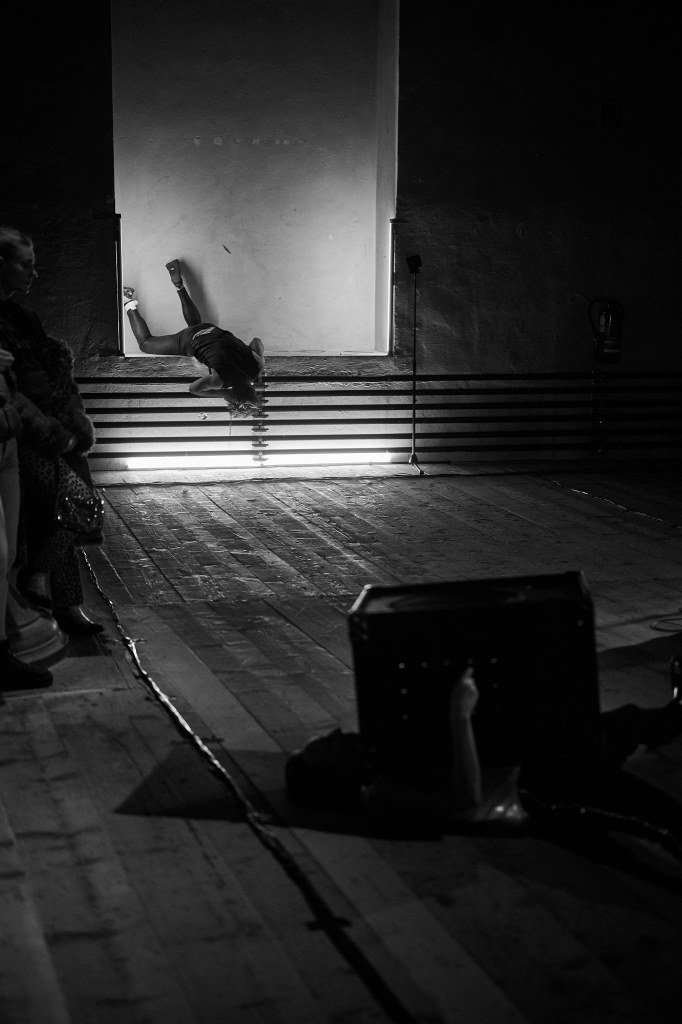
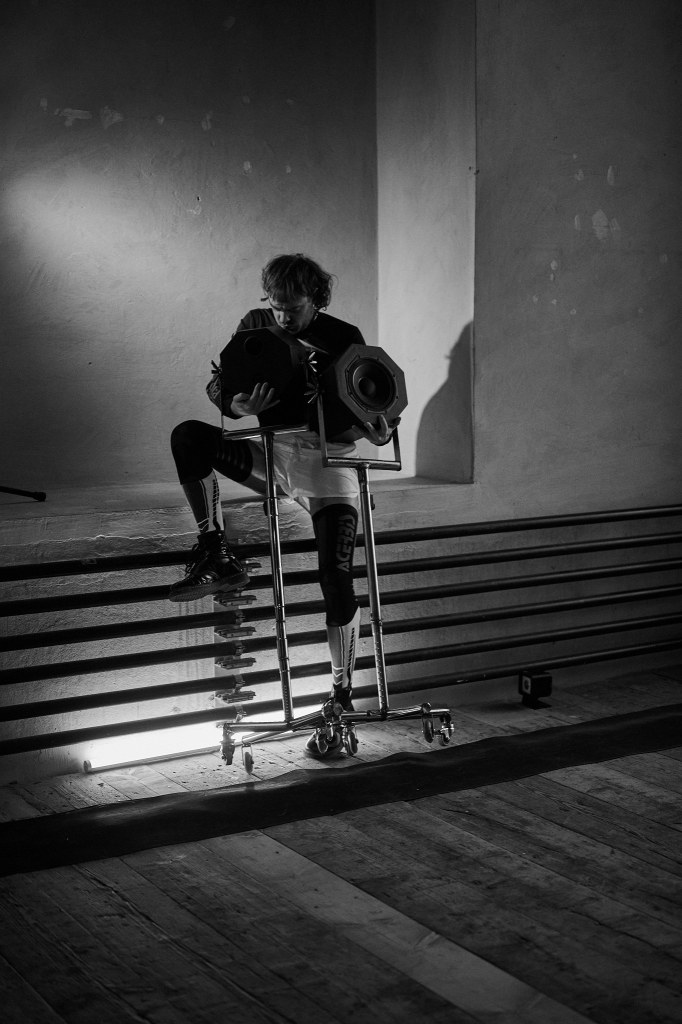
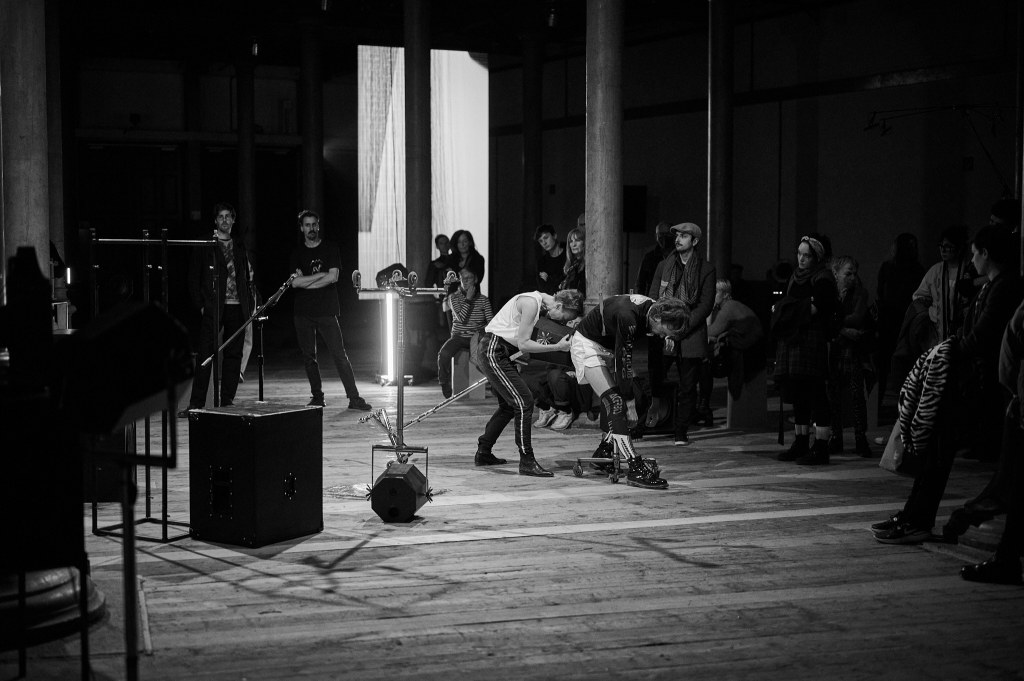
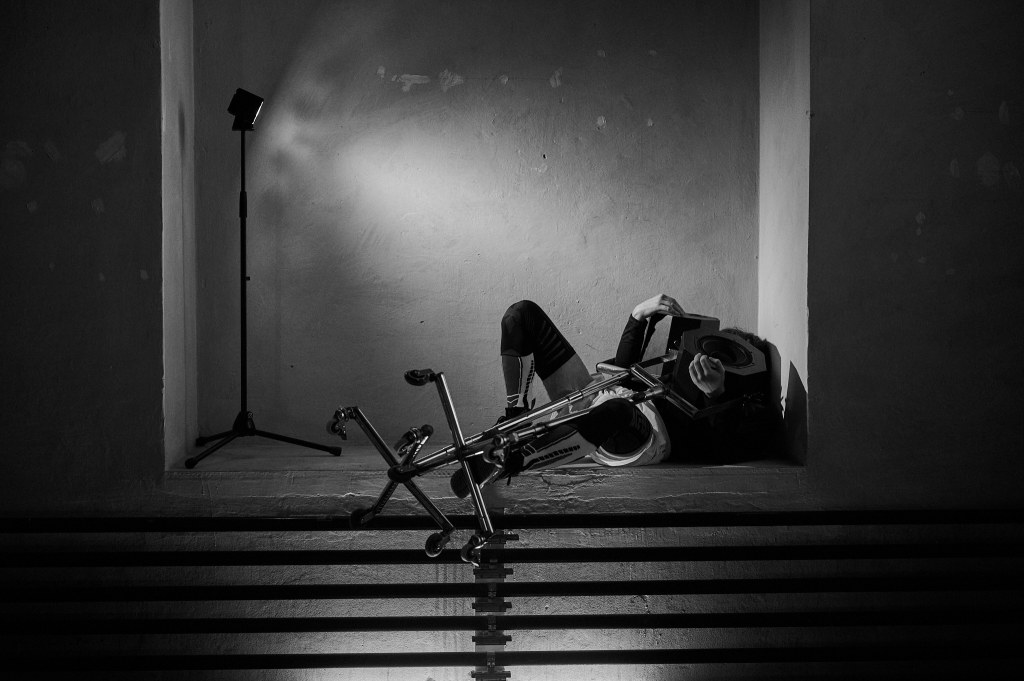
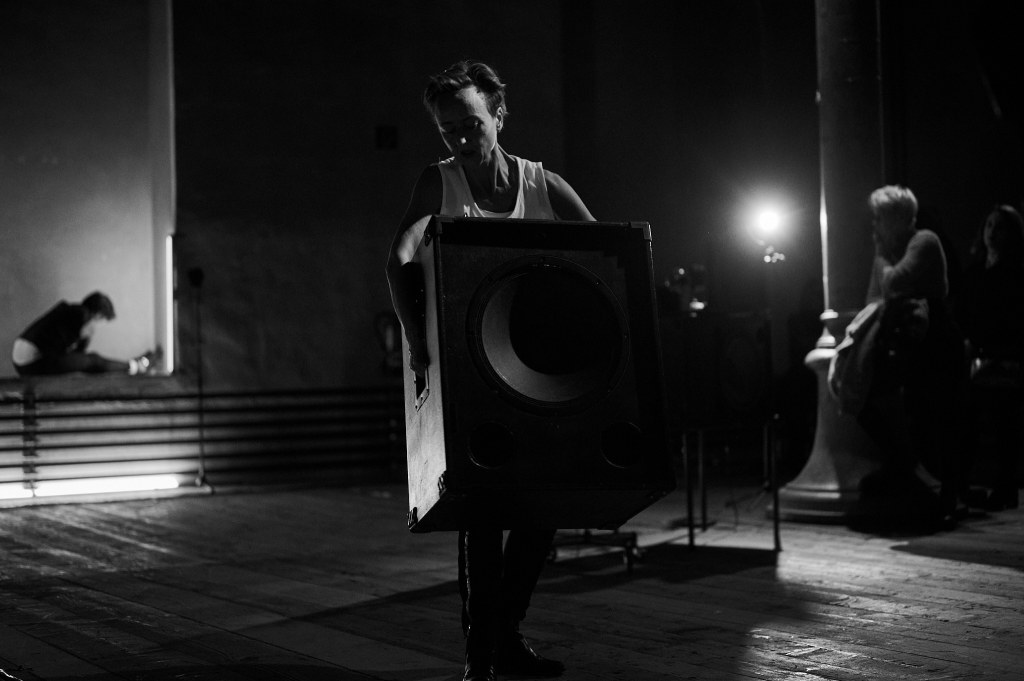
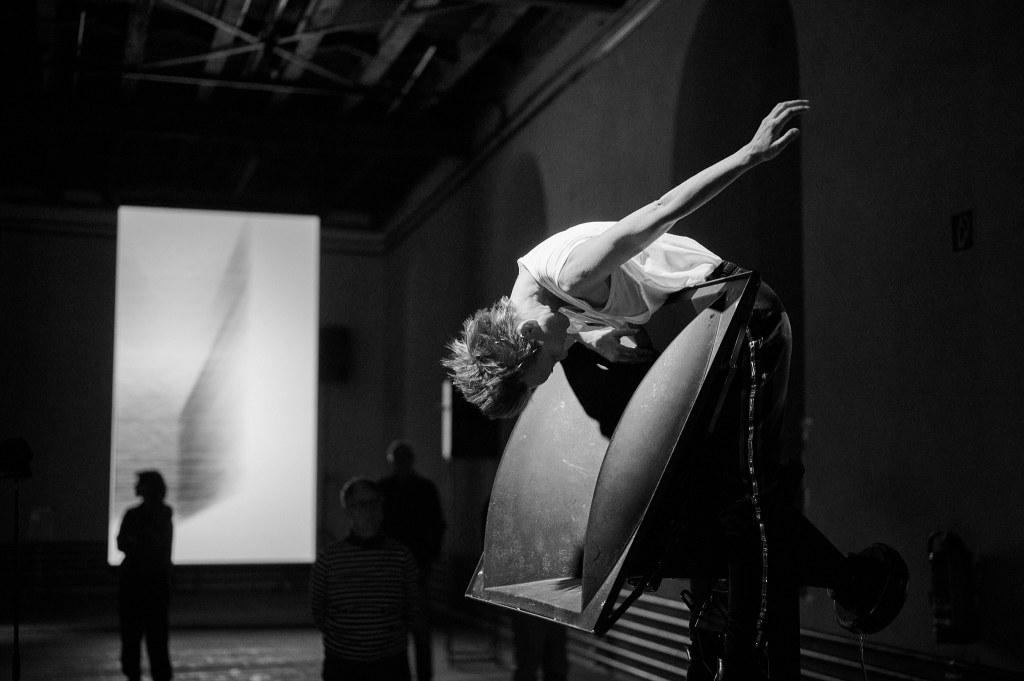
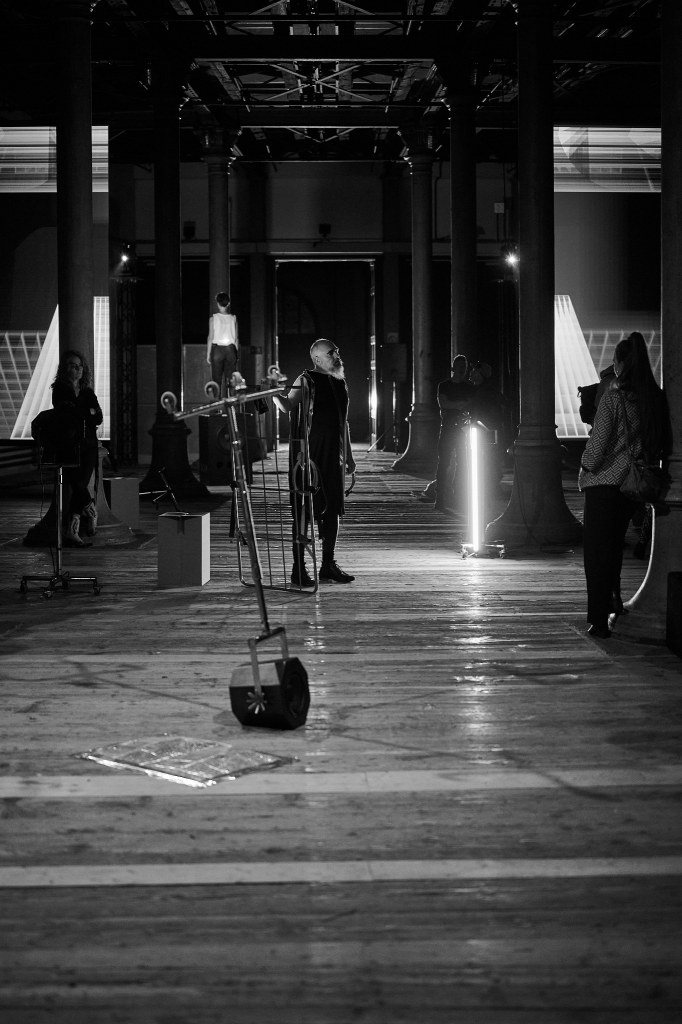
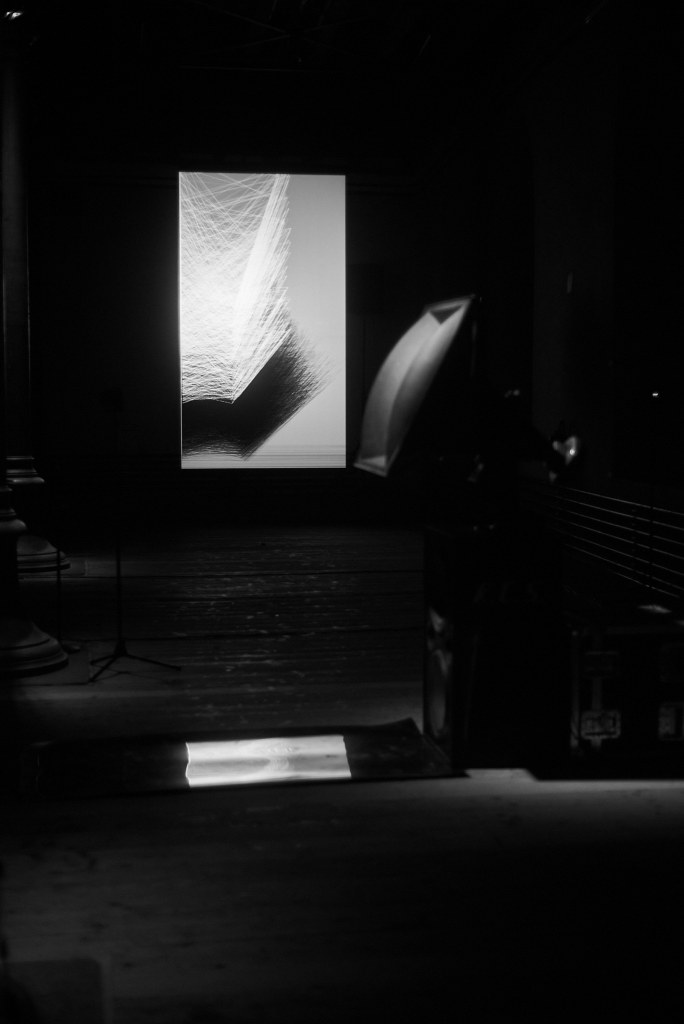
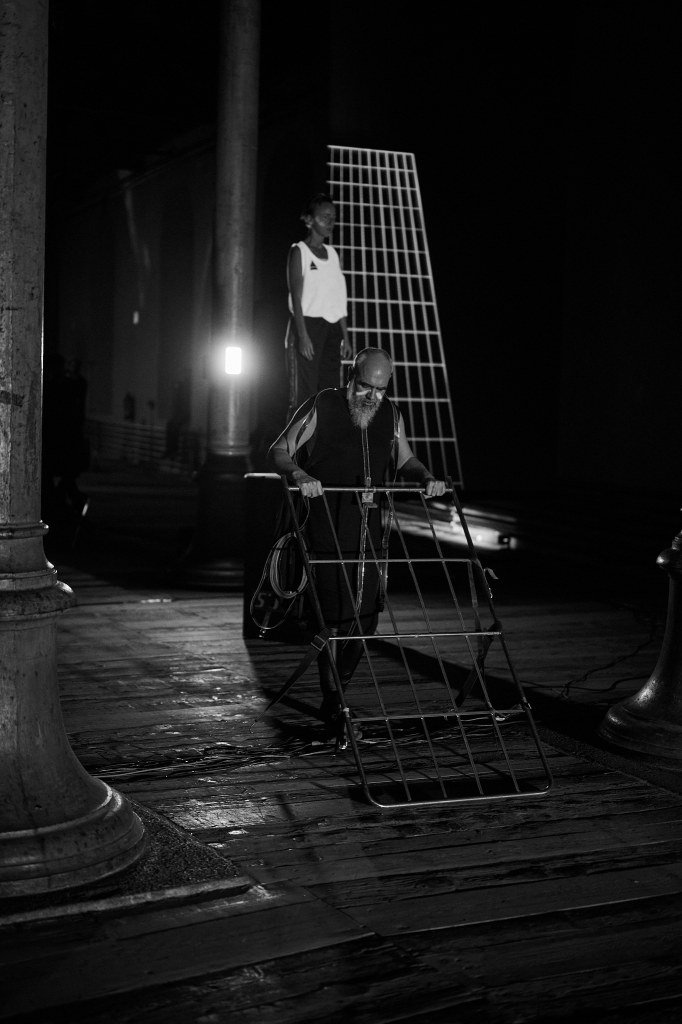
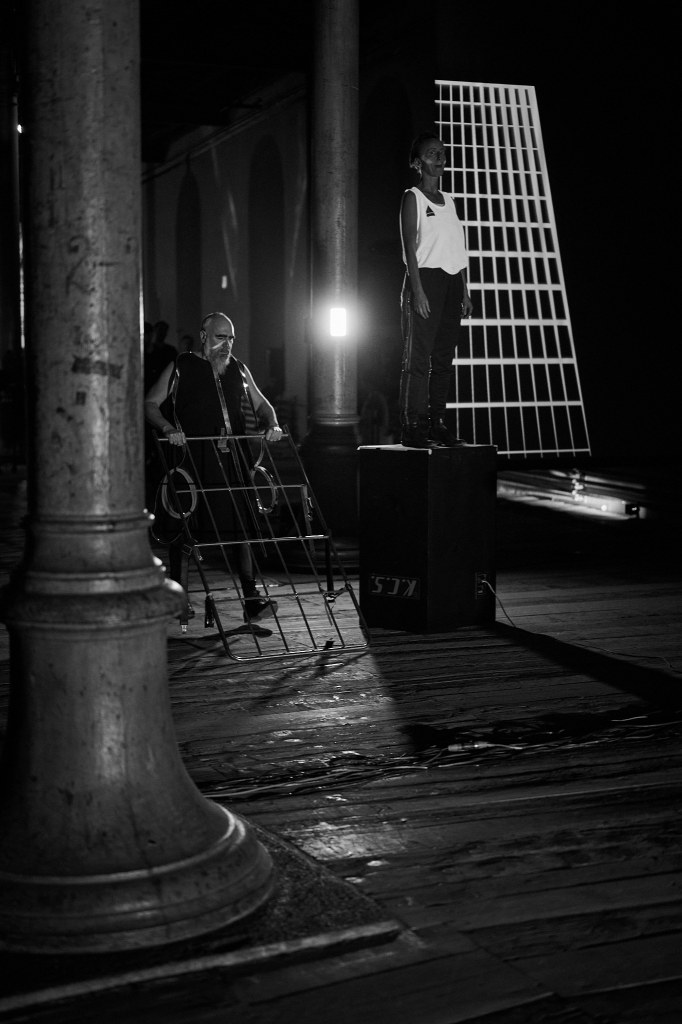
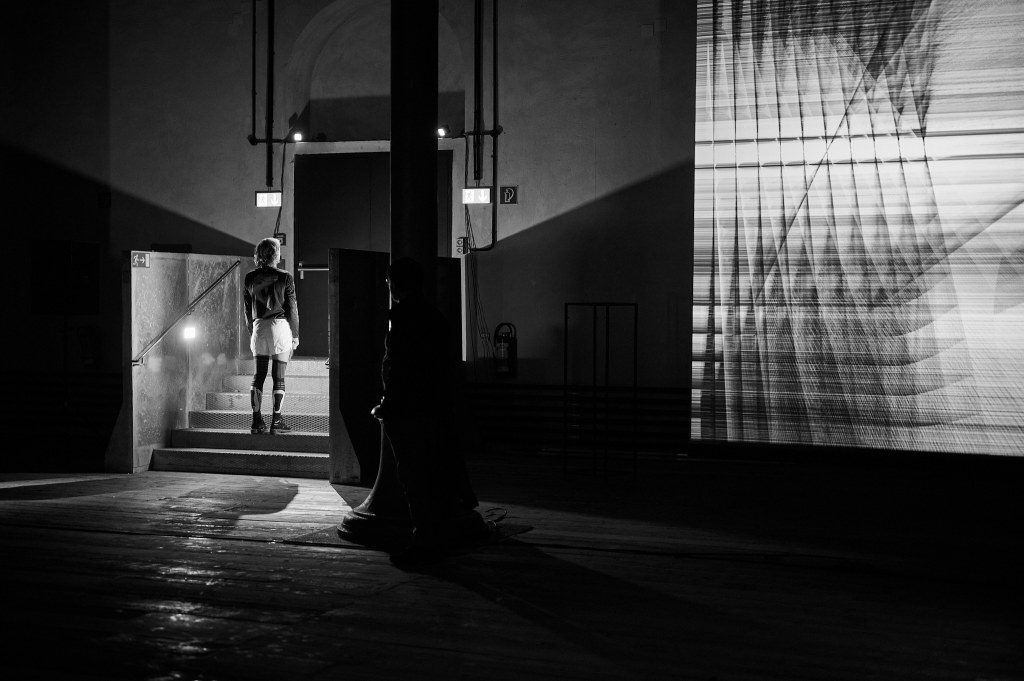
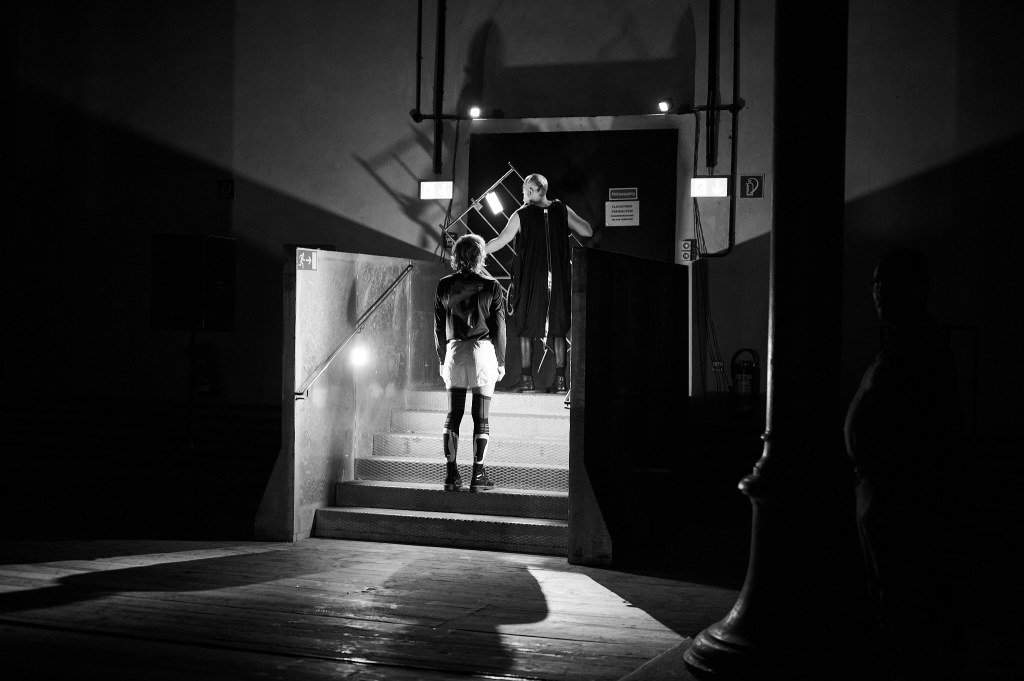
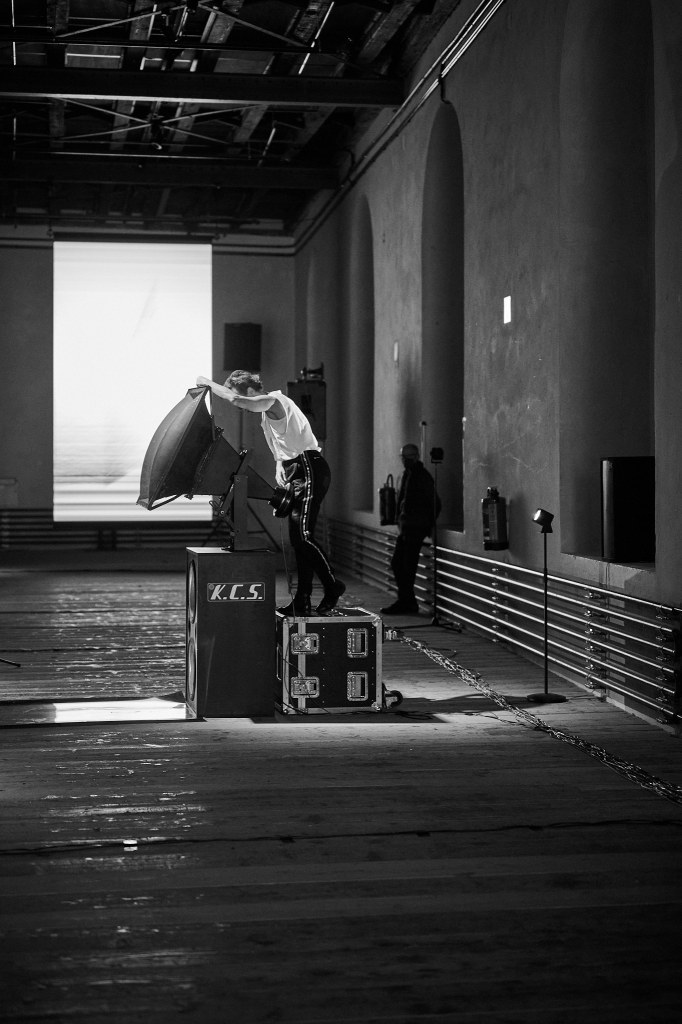
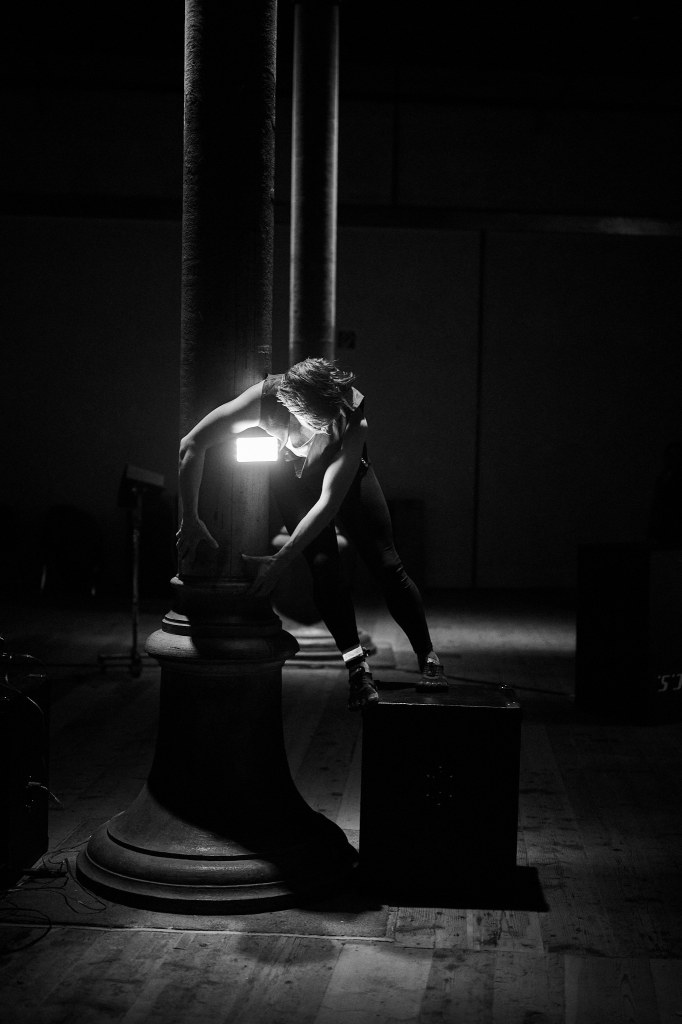
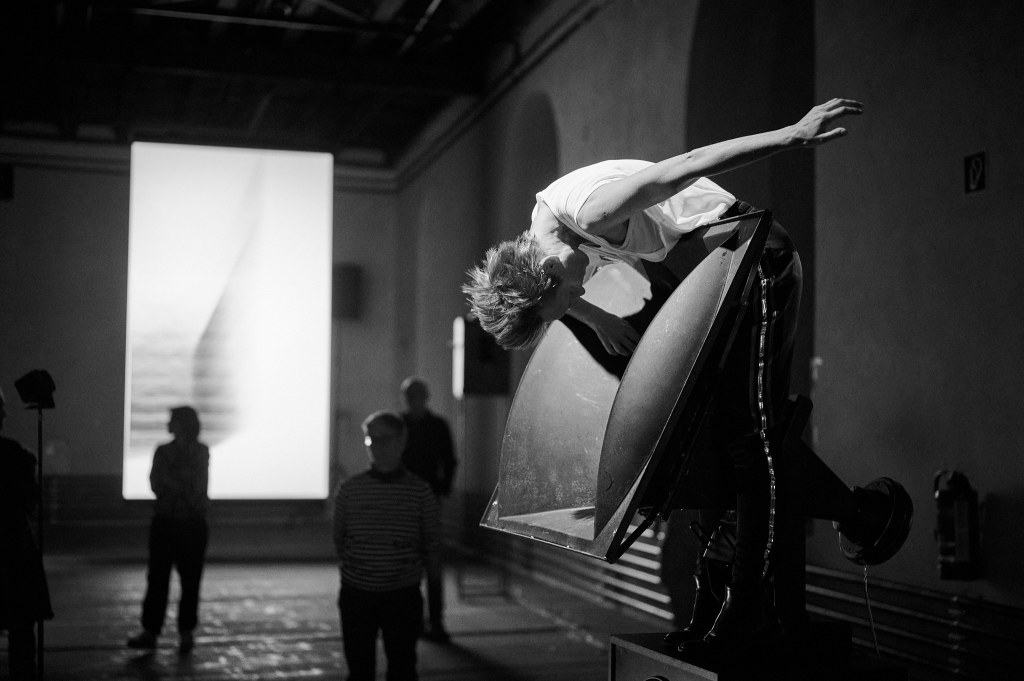
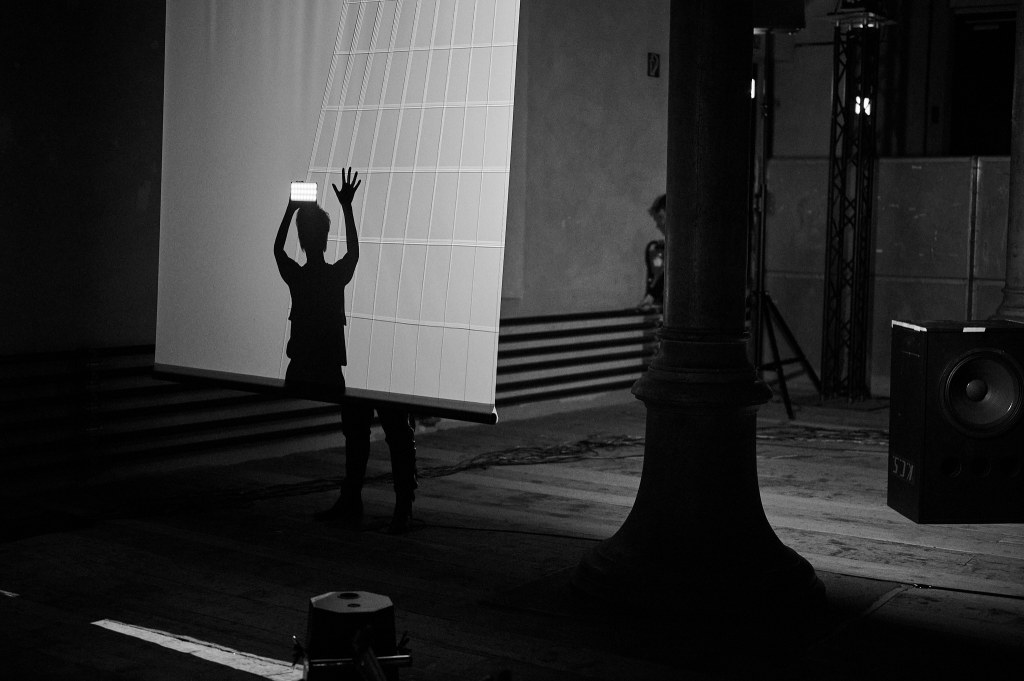
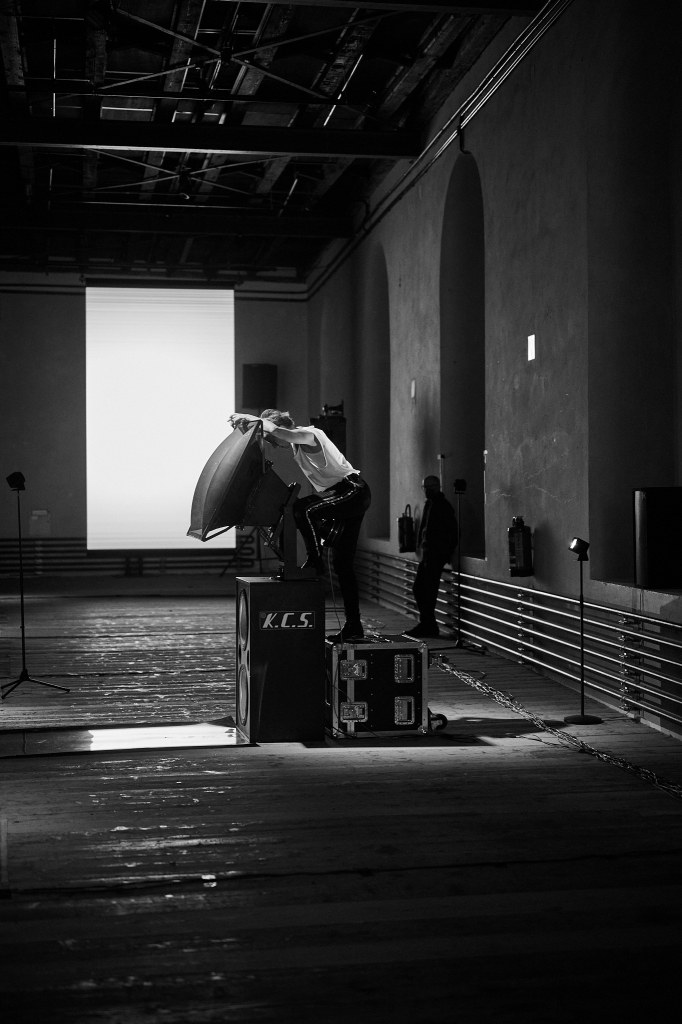
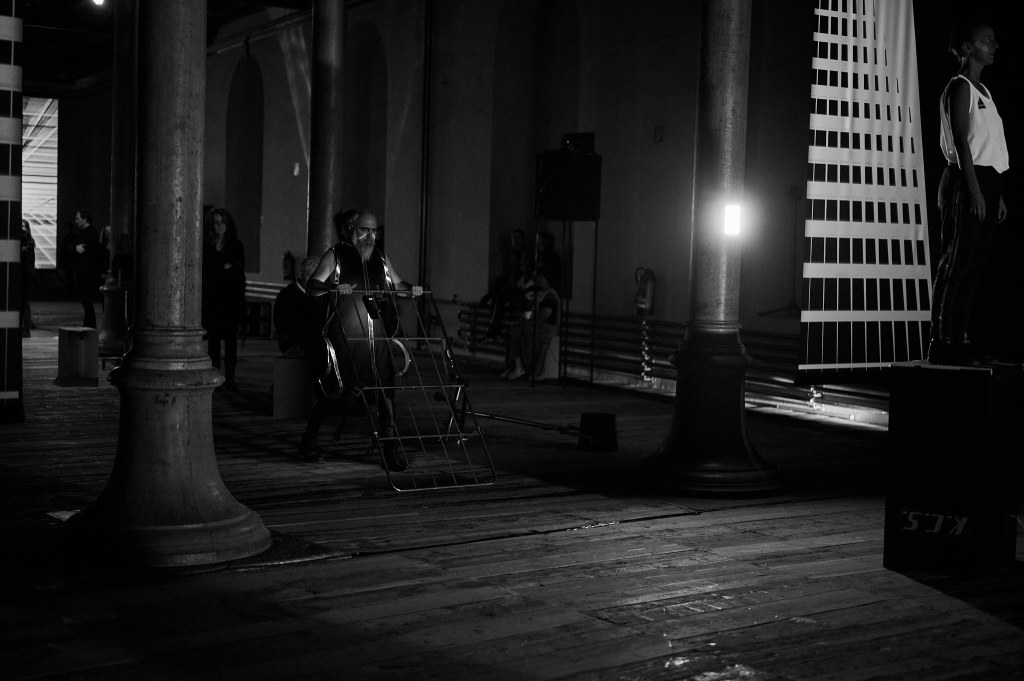
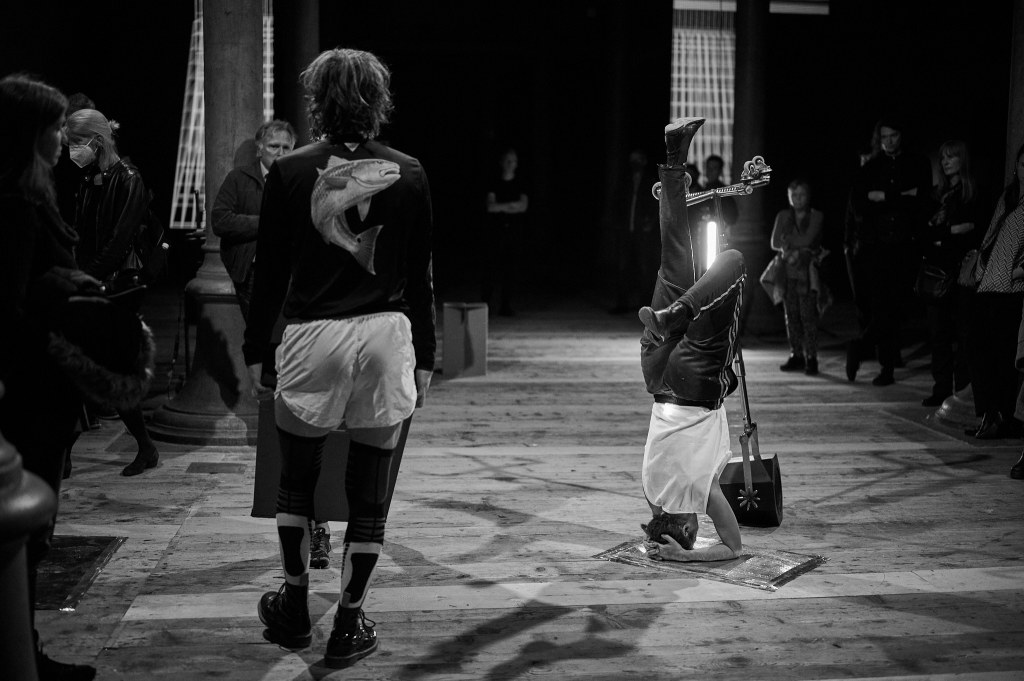
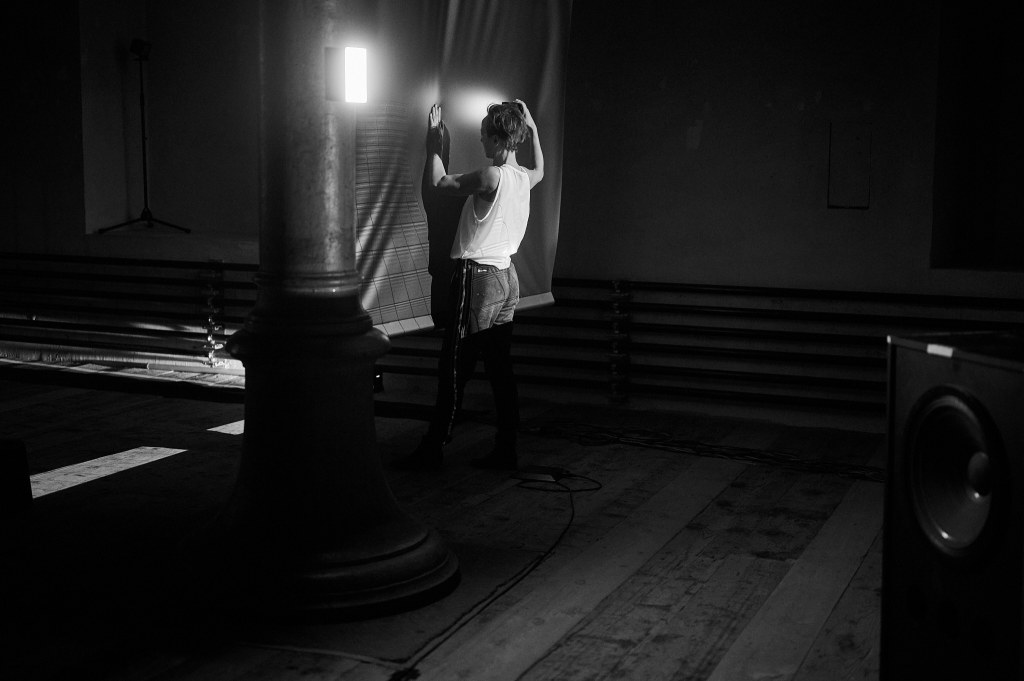
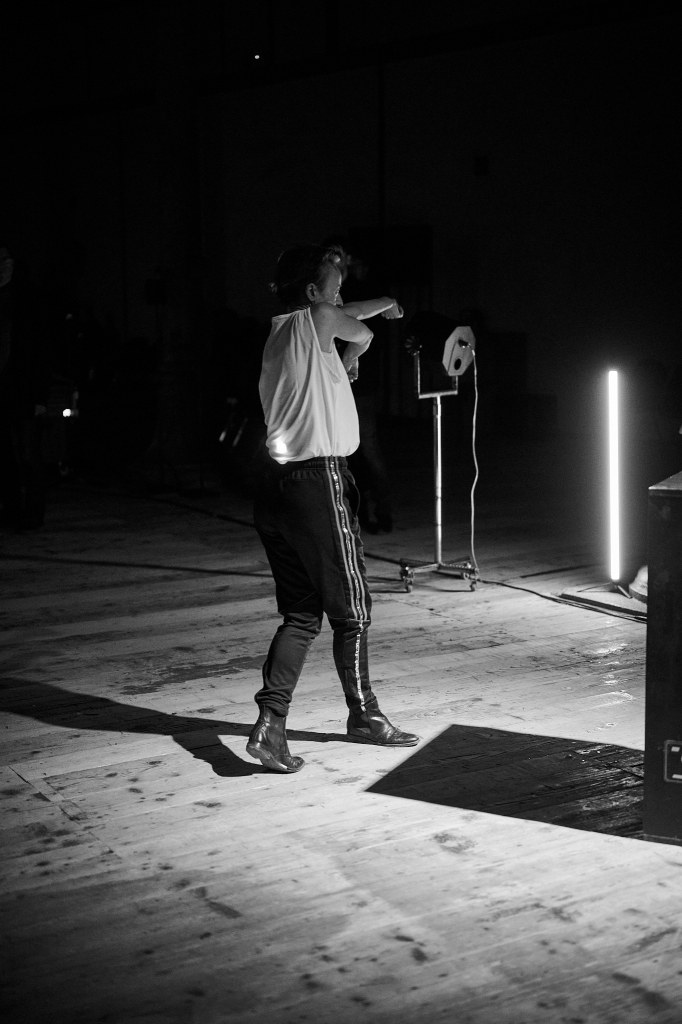
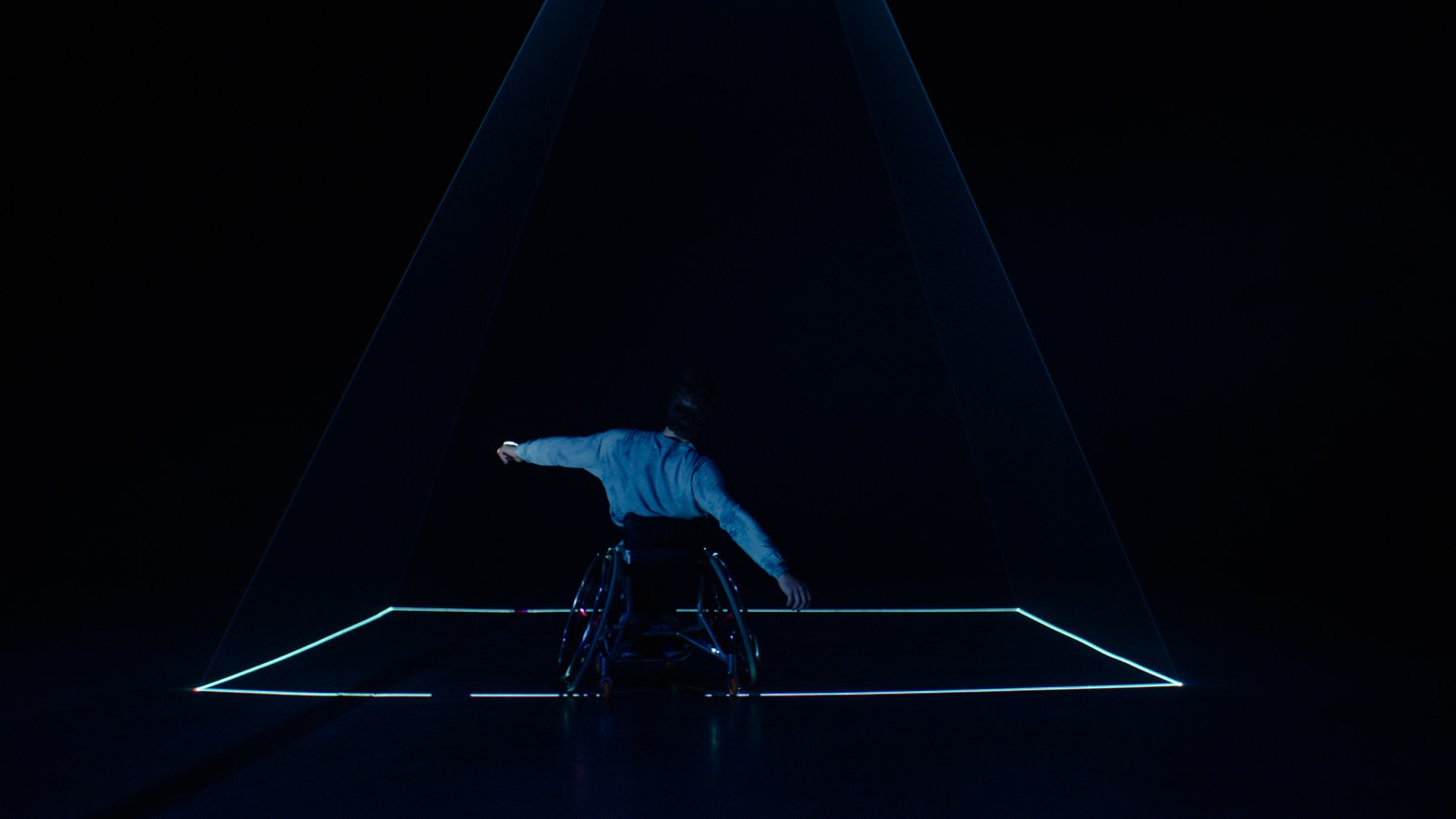
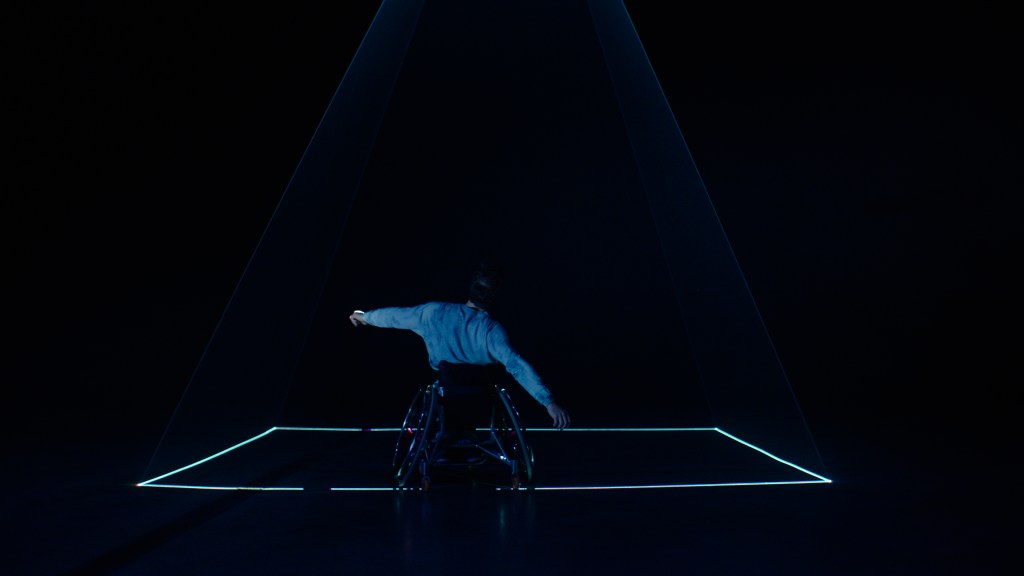
Spinning Bodies: CYCLING WHEELS opens a transdisciplinary cycle track and multimedia arena. At the interface between performance, contemporary circus, and sound art, the bicycle simultaneously becomes an artistic medium – a vehicle, instrument, and actress.

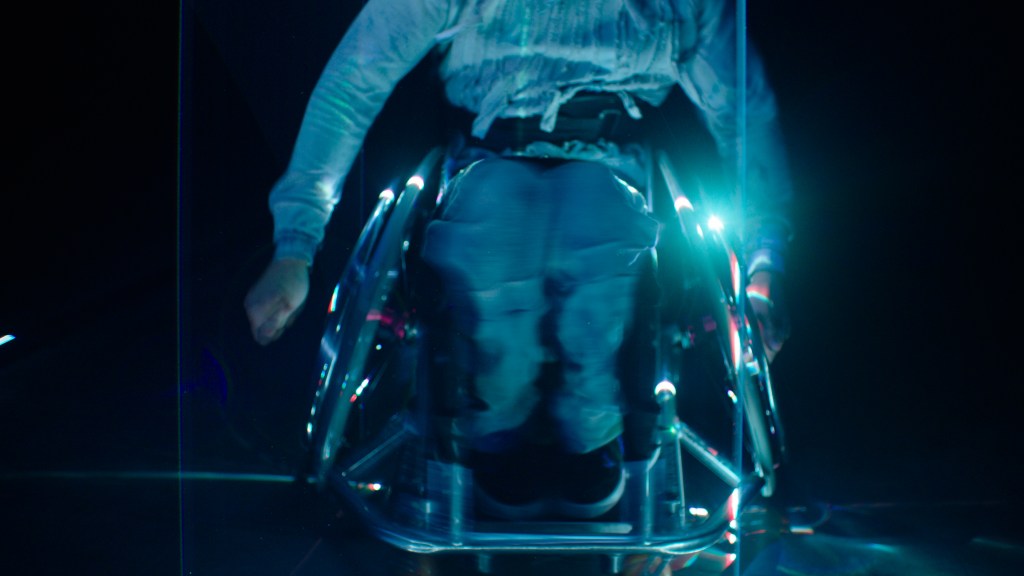
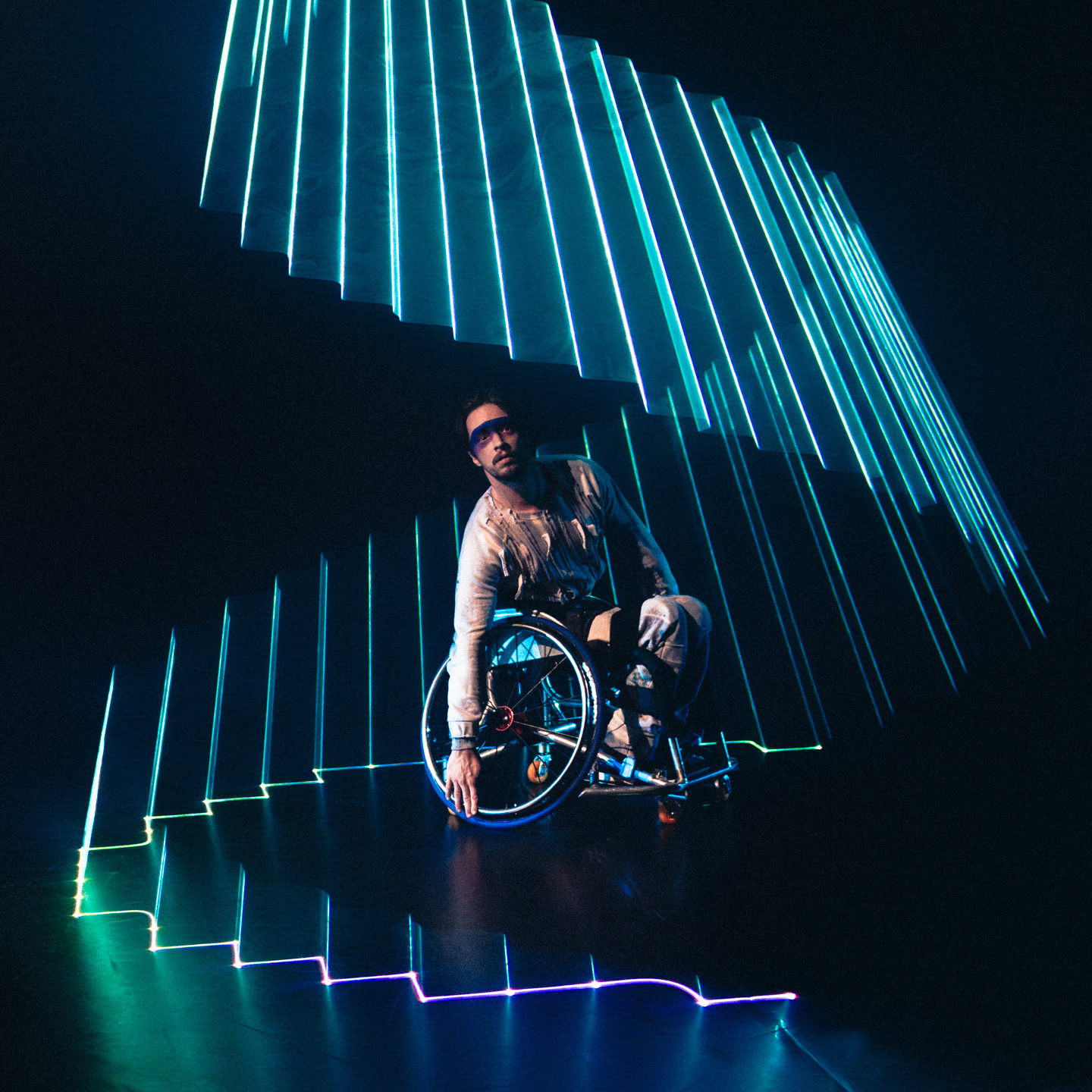
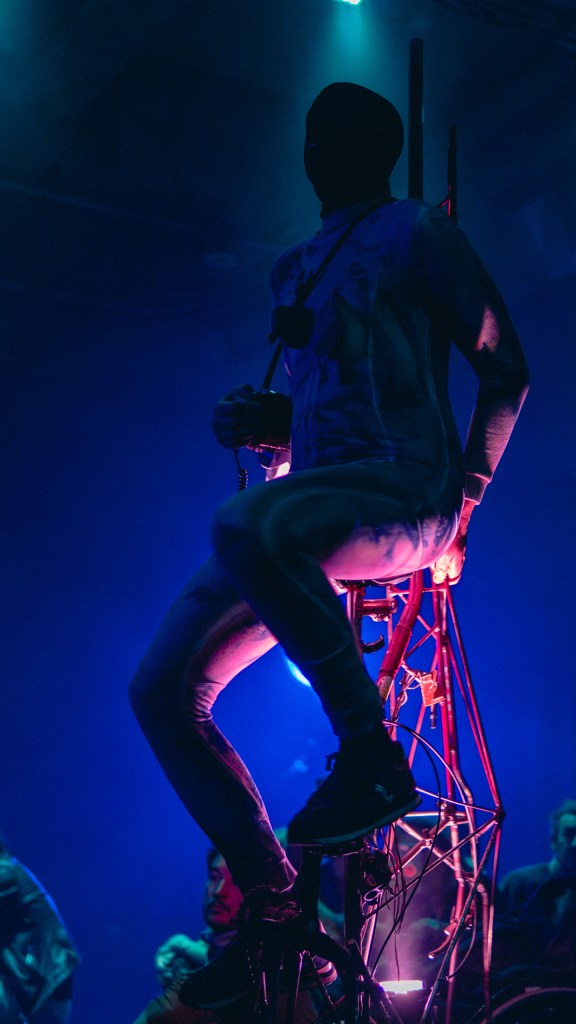
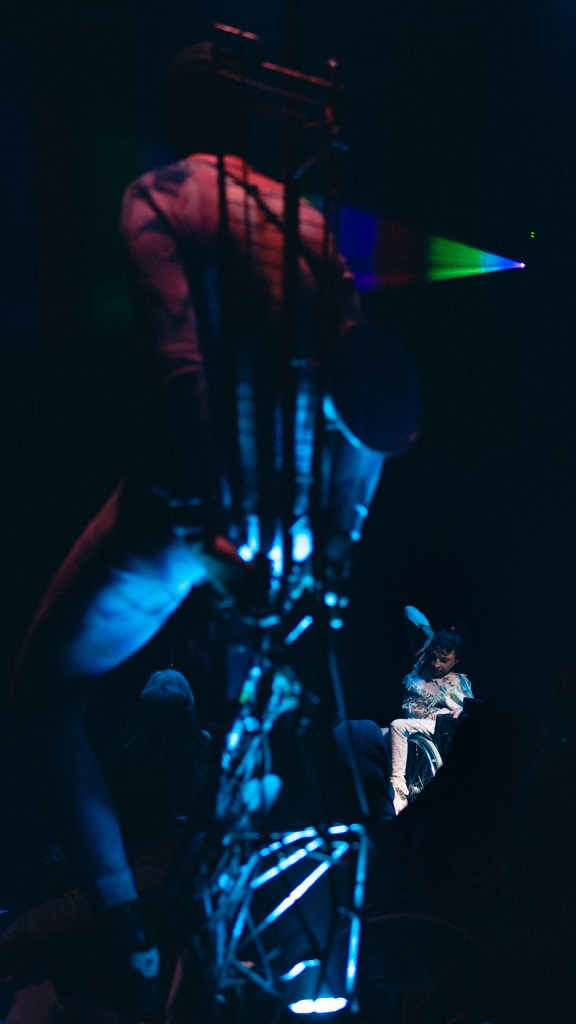
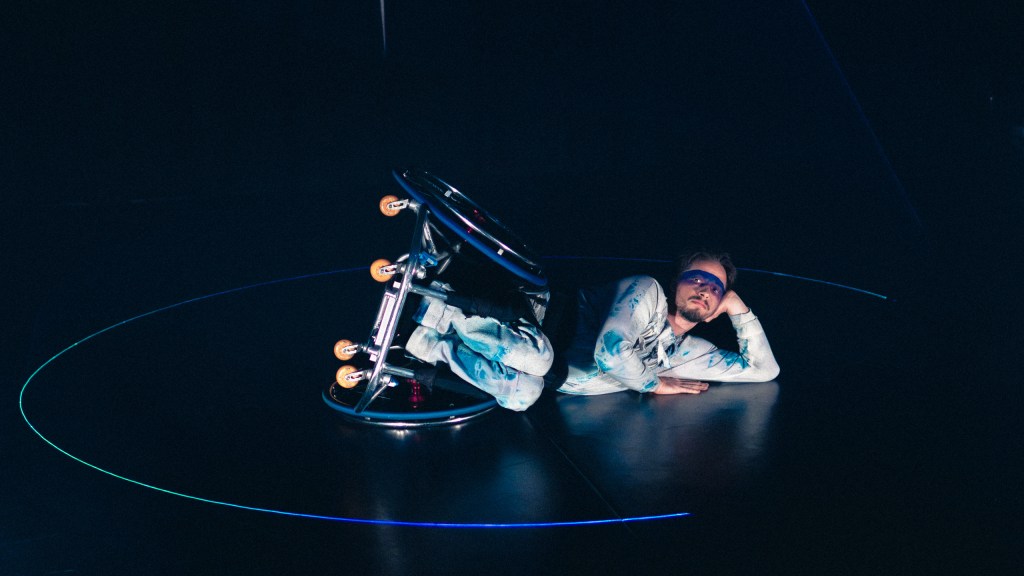
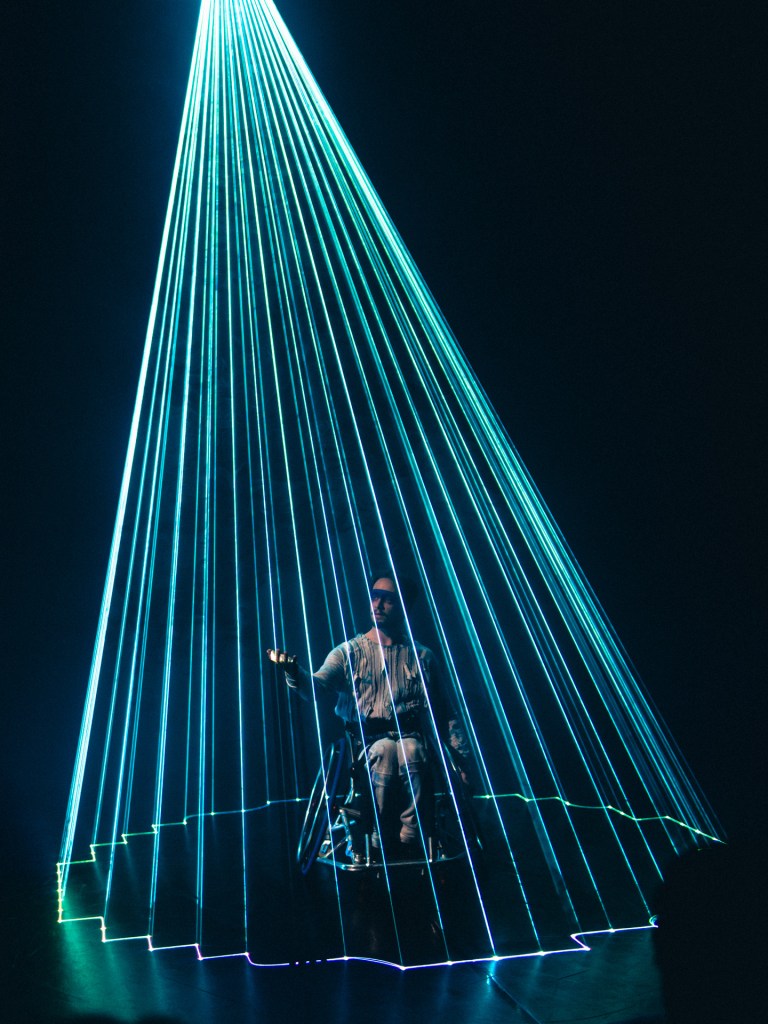
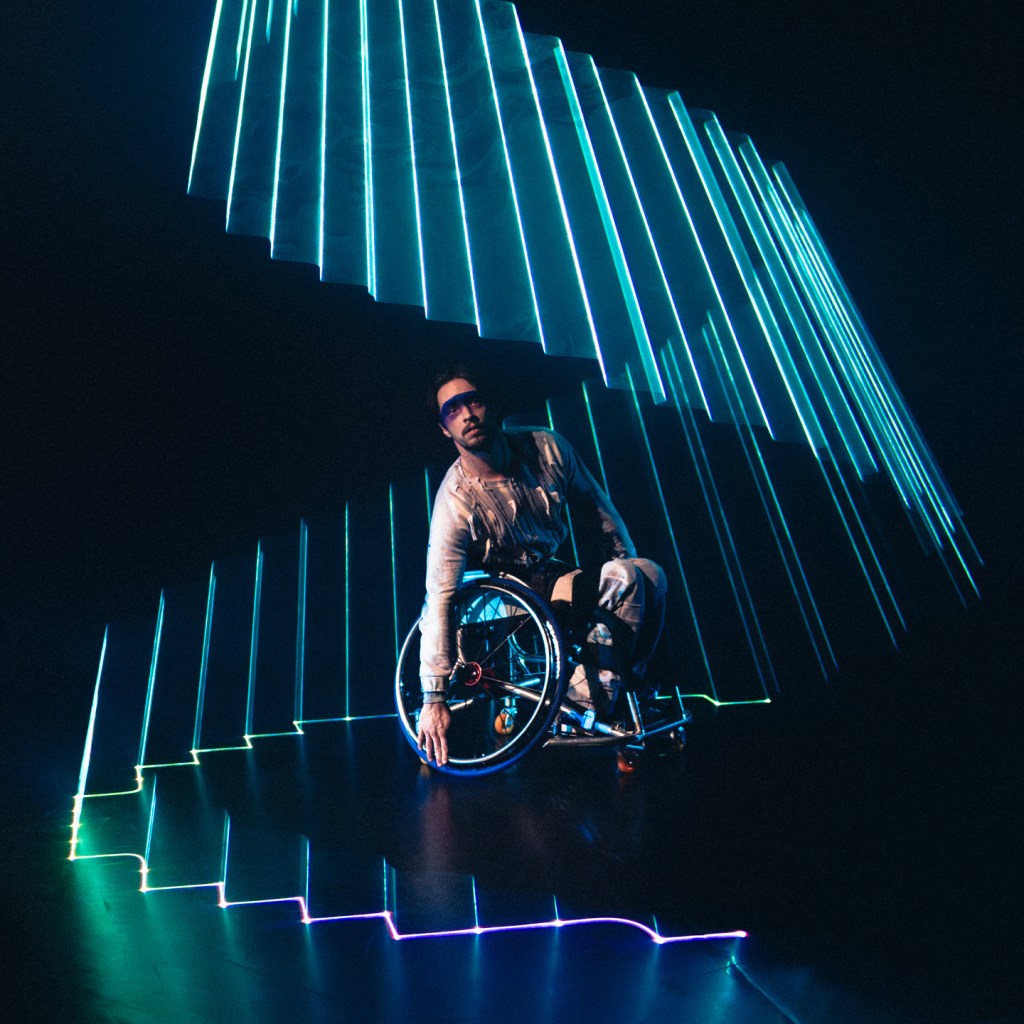
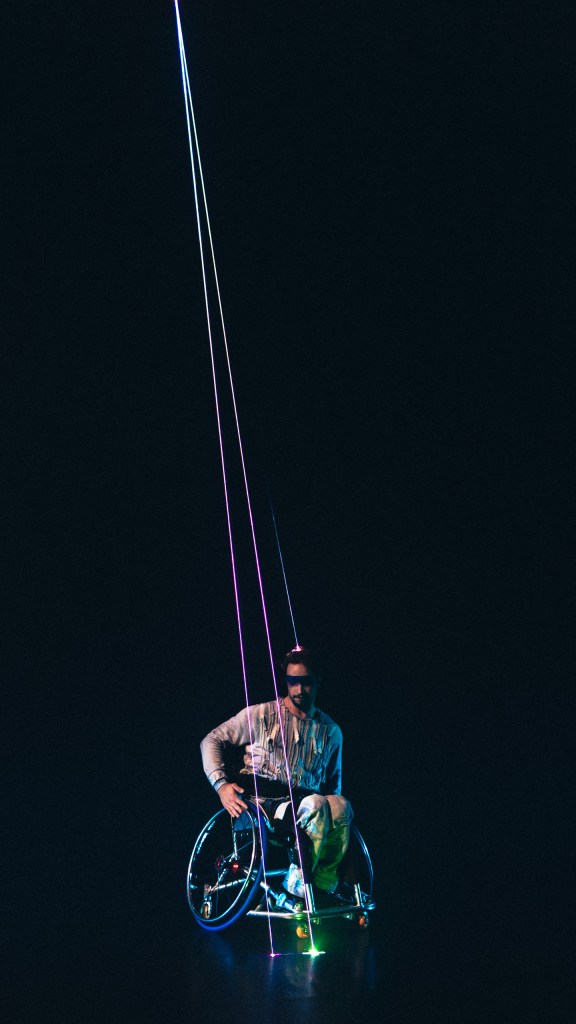
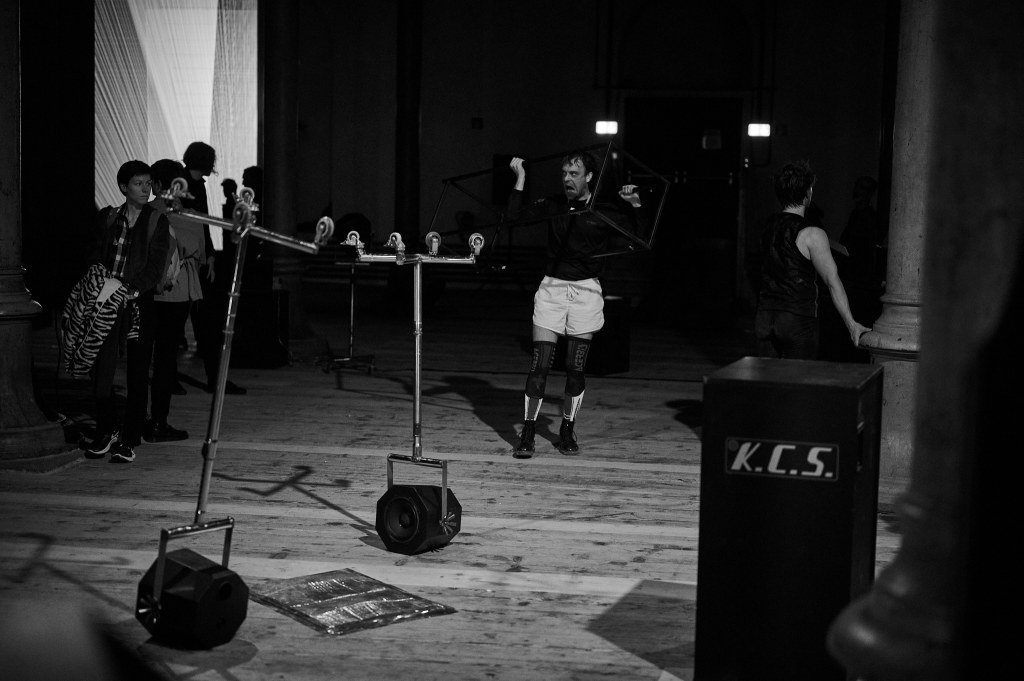
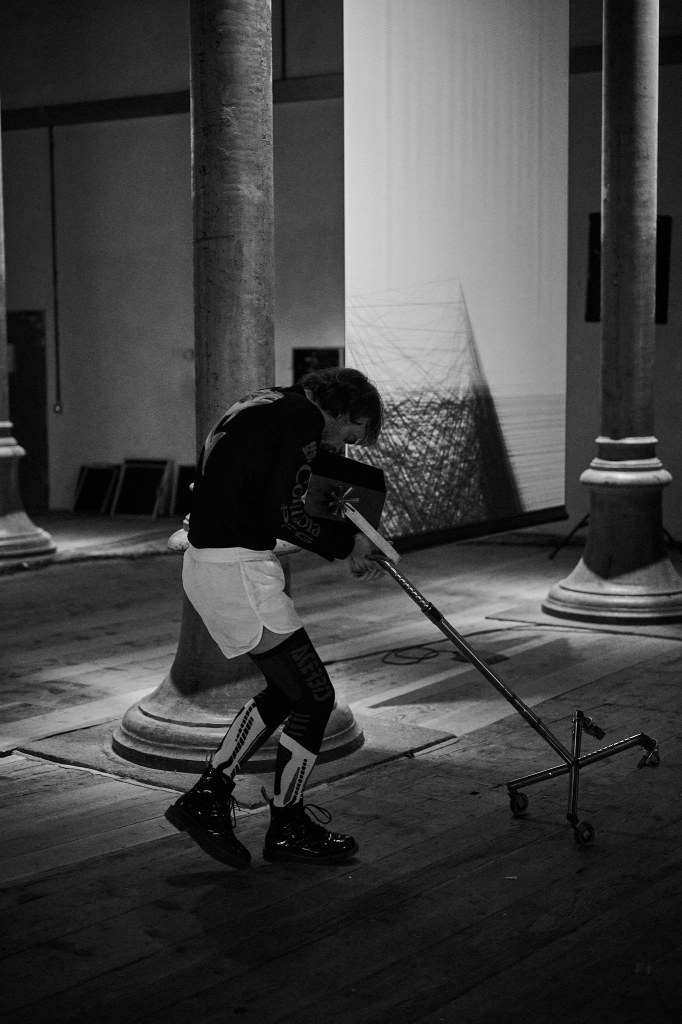
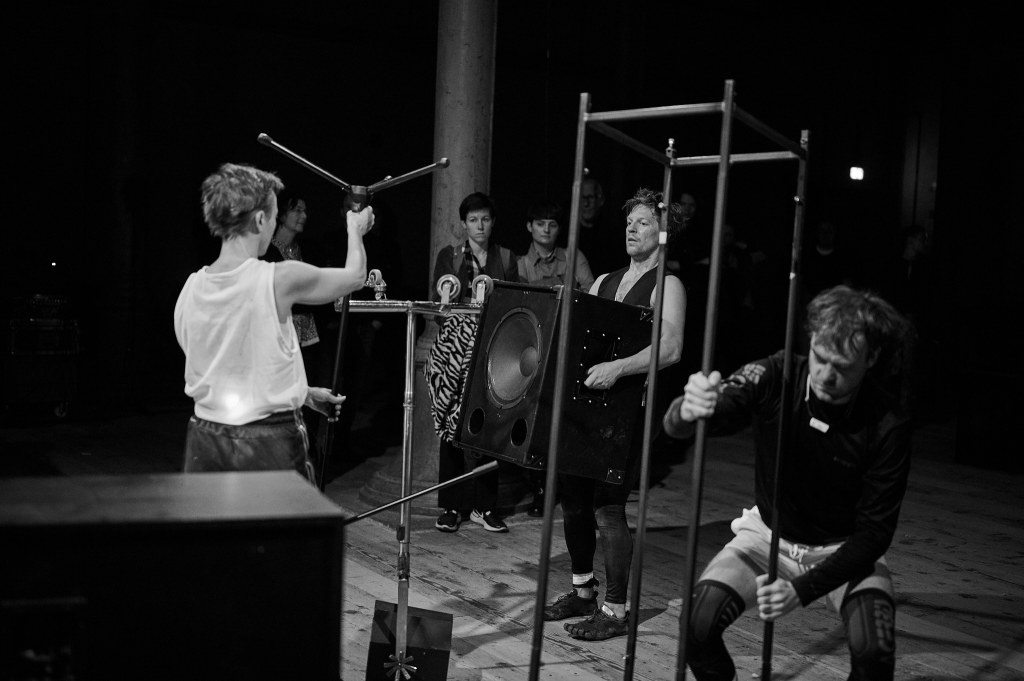
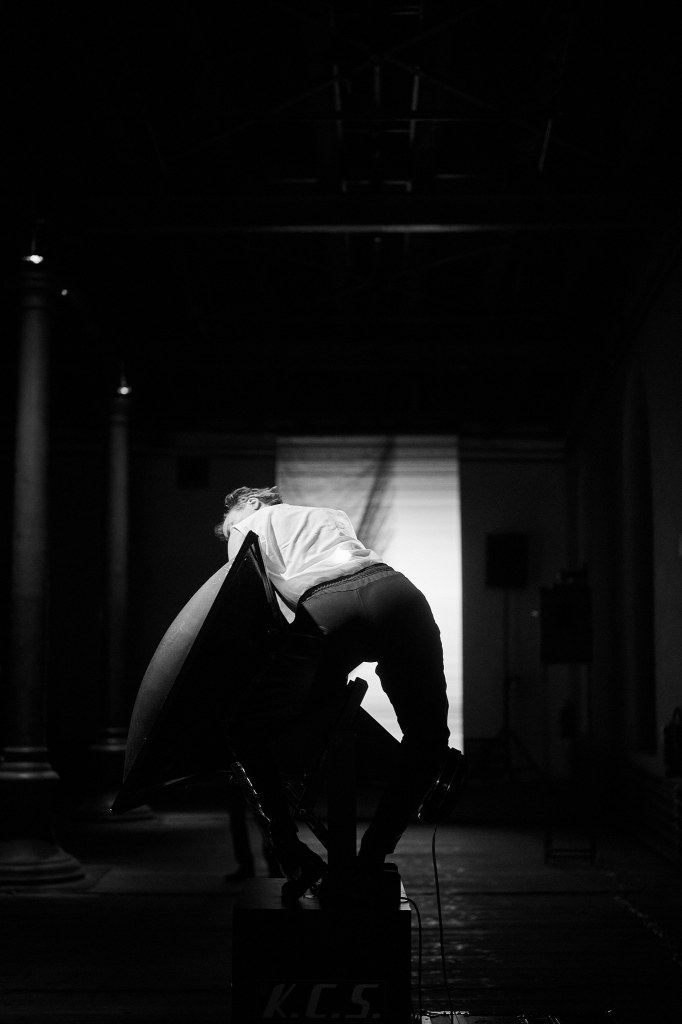
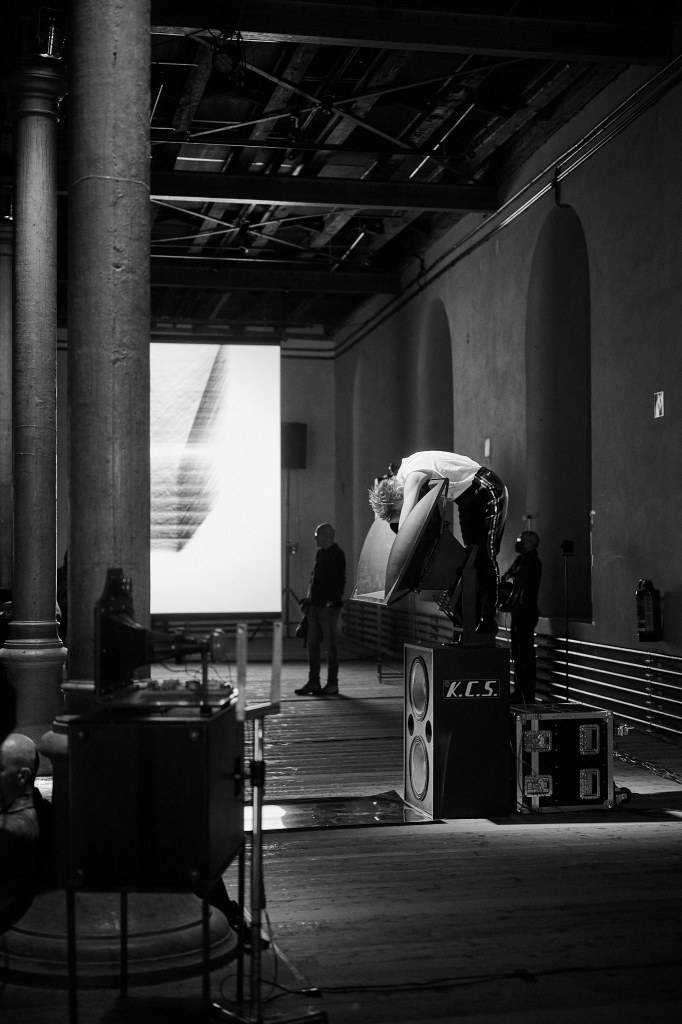
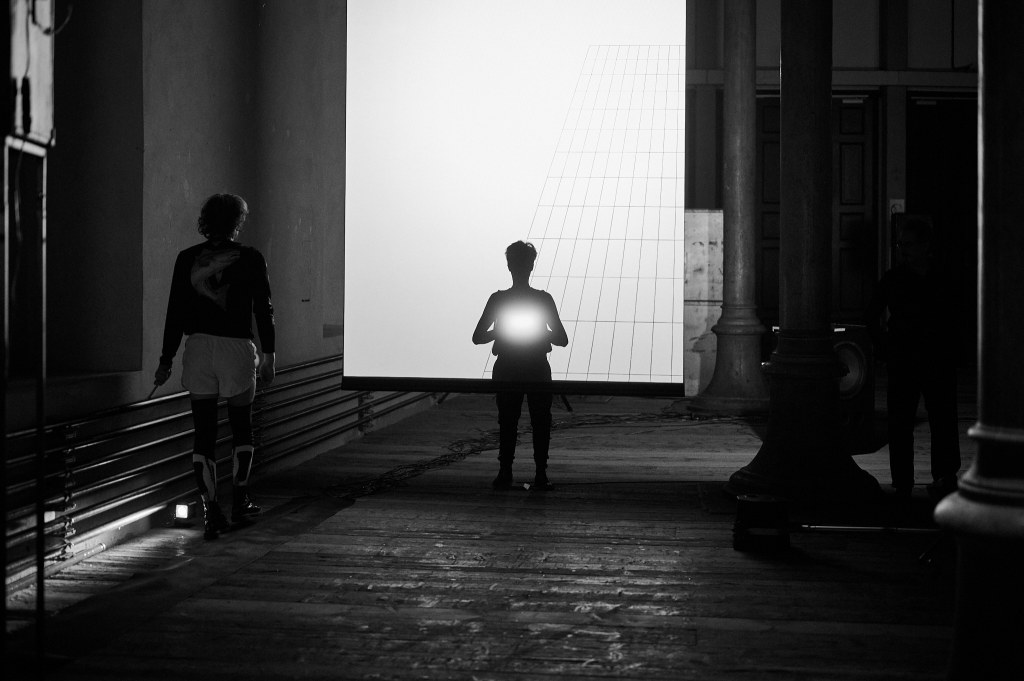
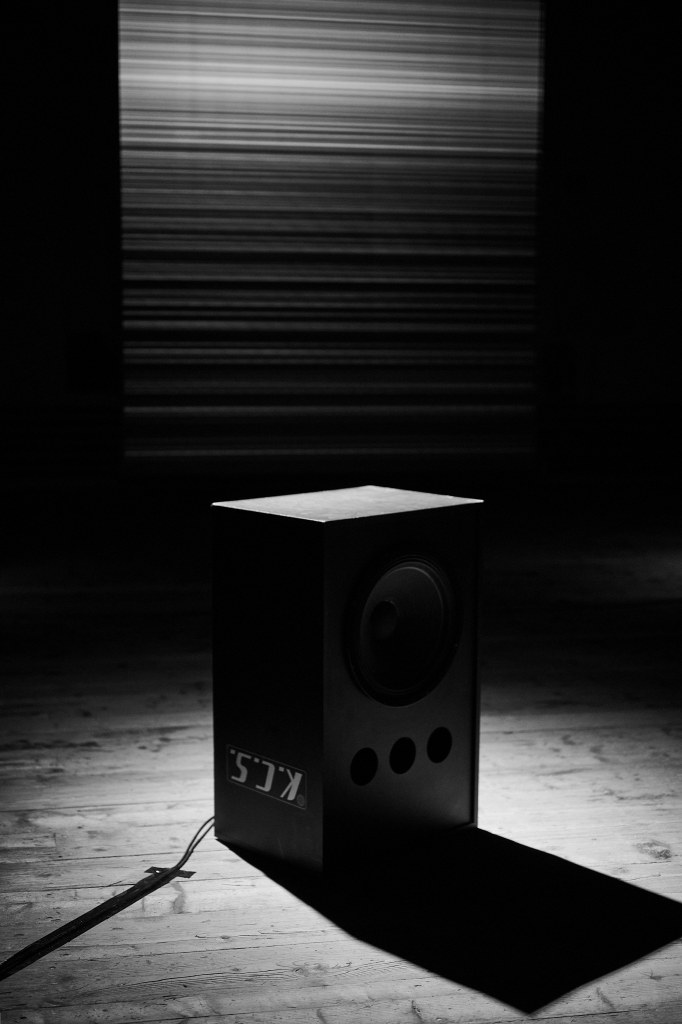
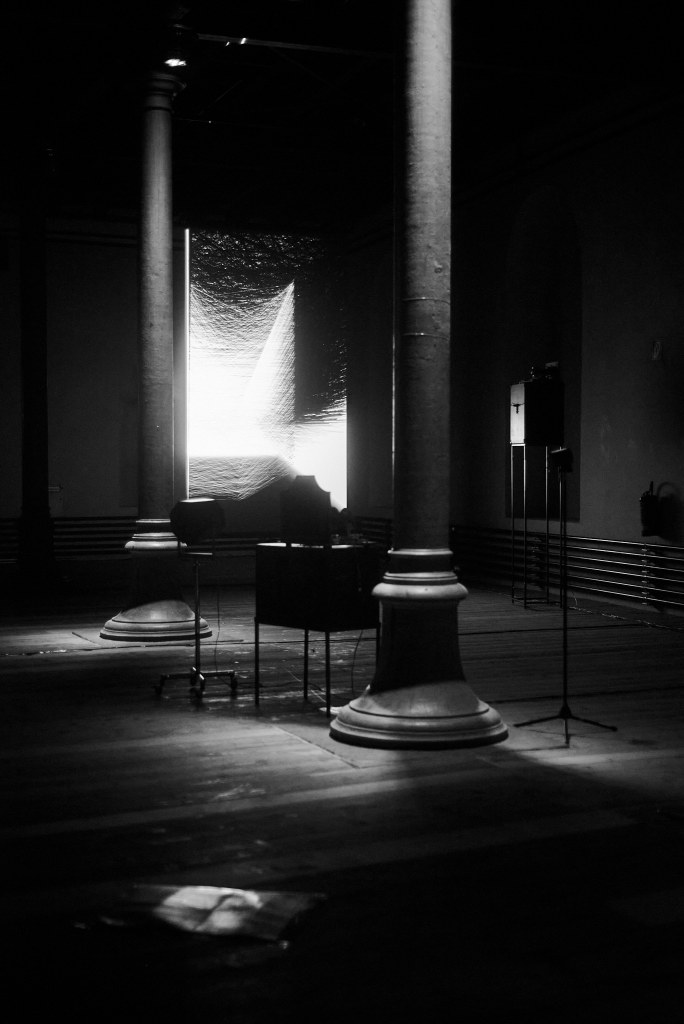
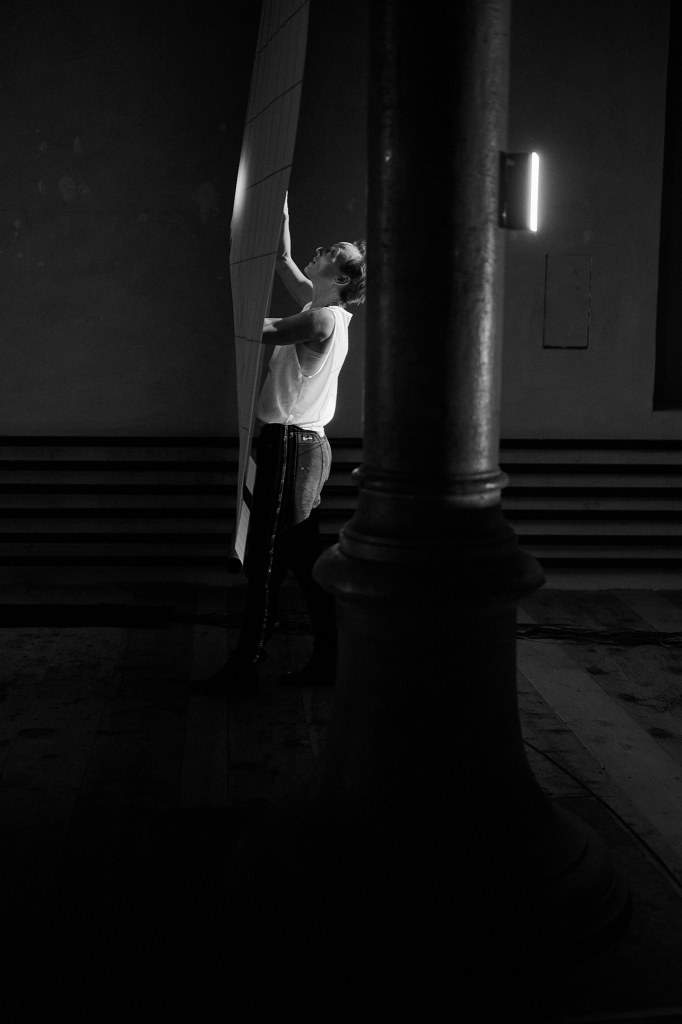
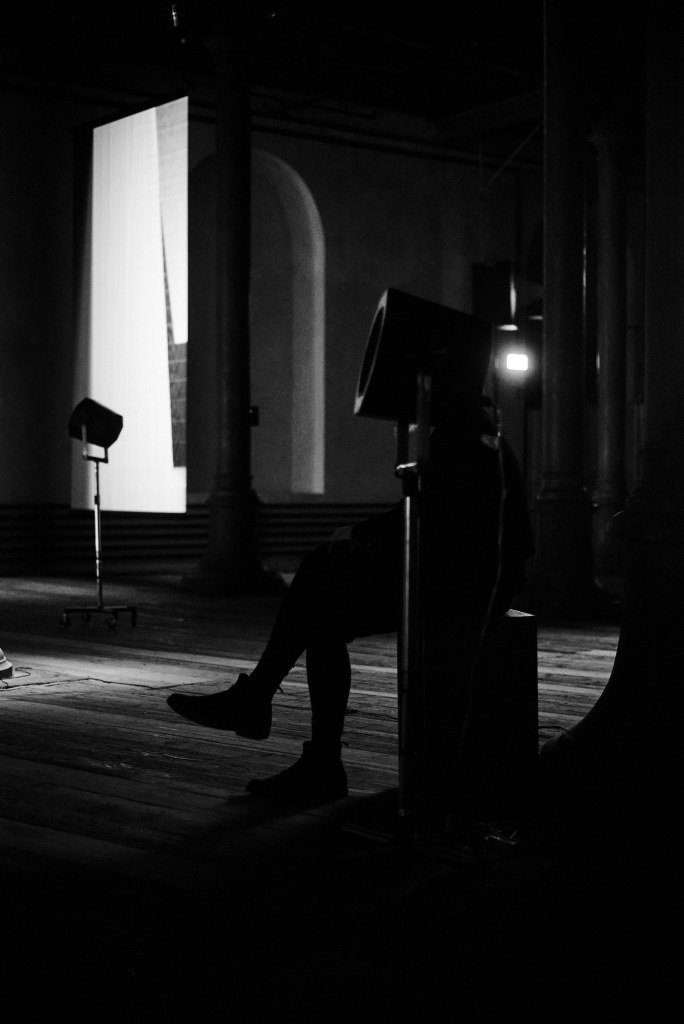
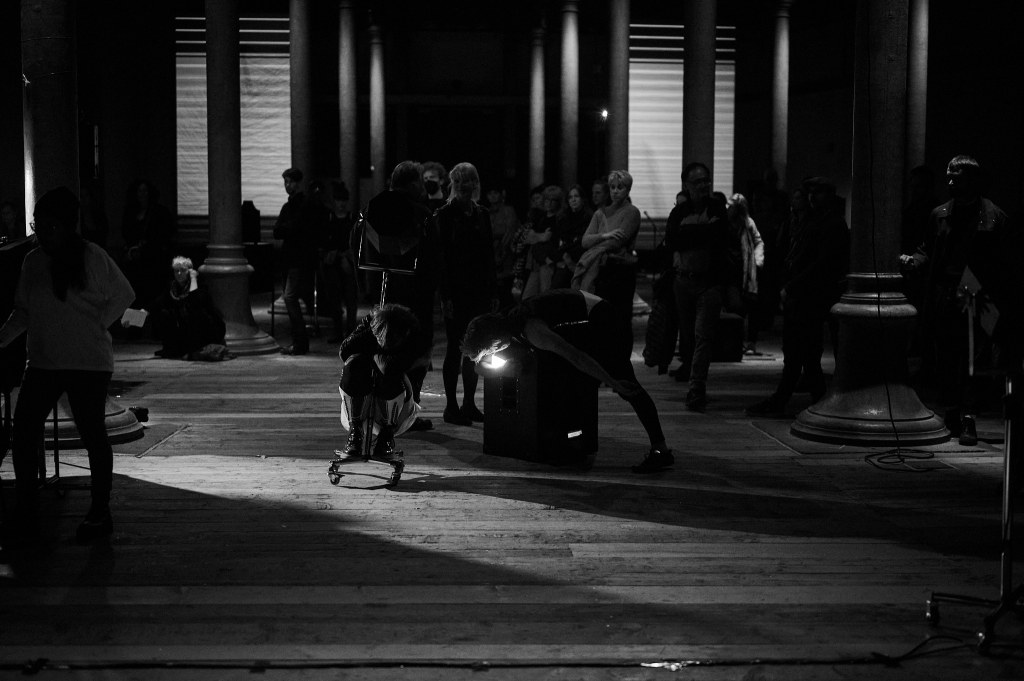
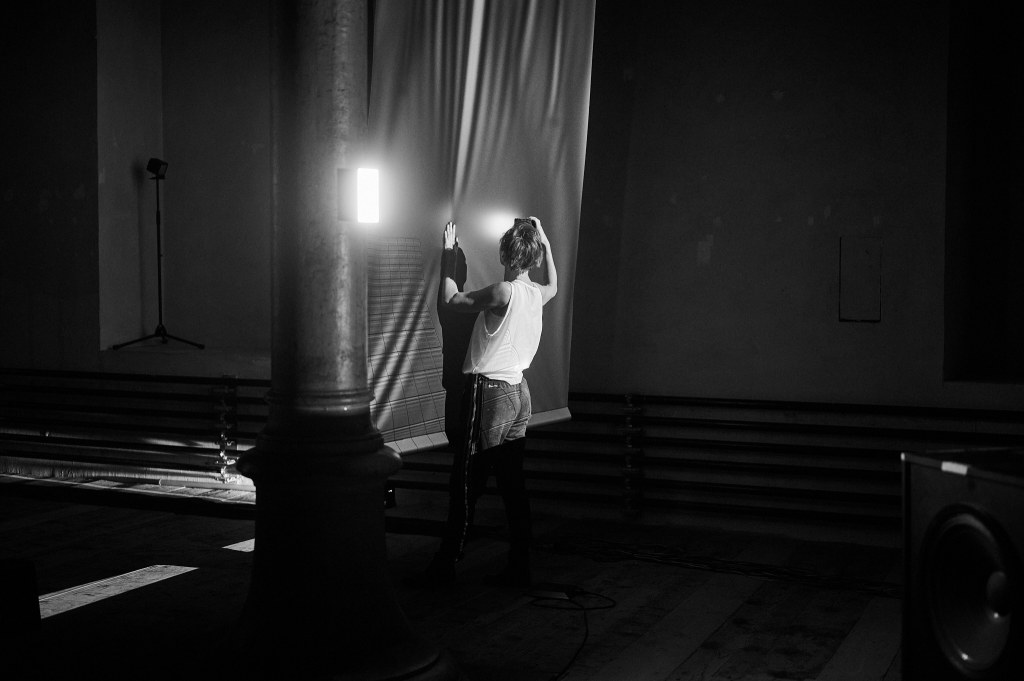
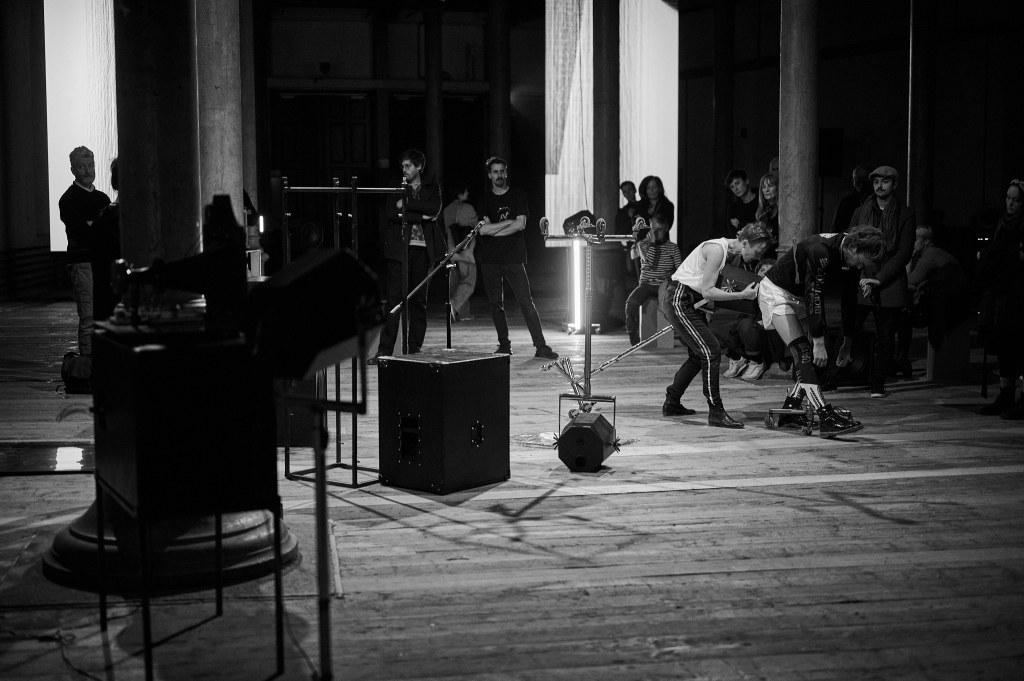
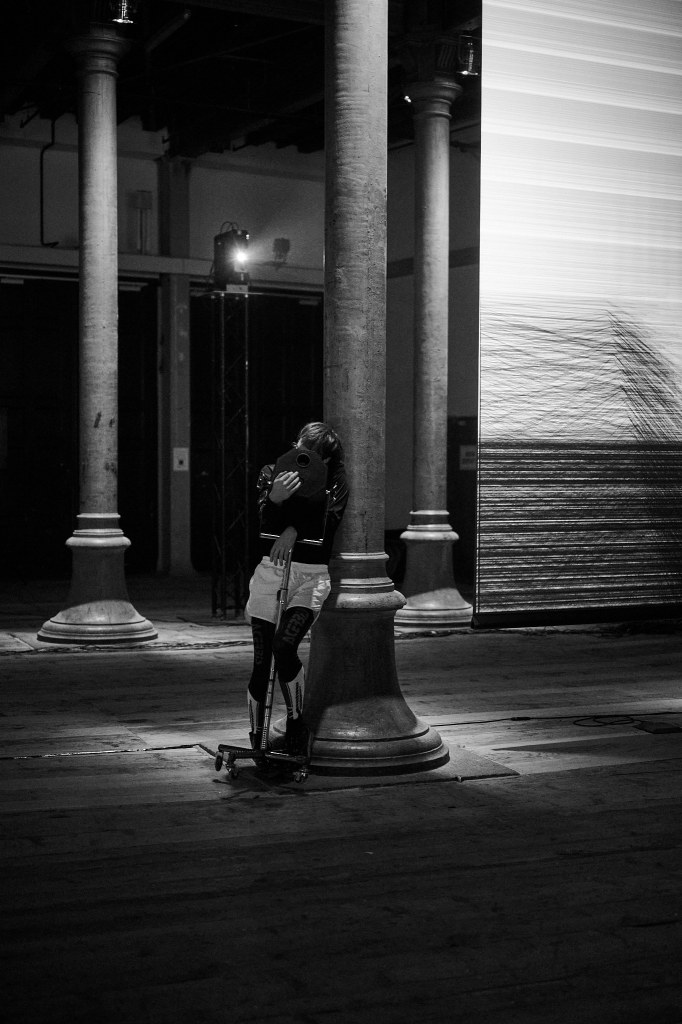
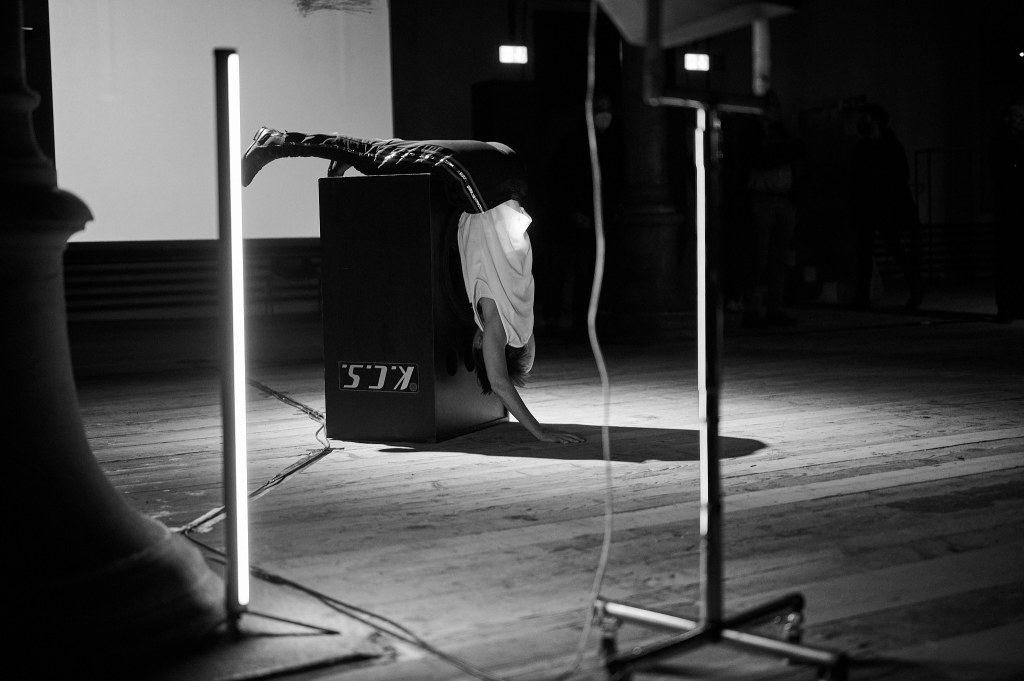
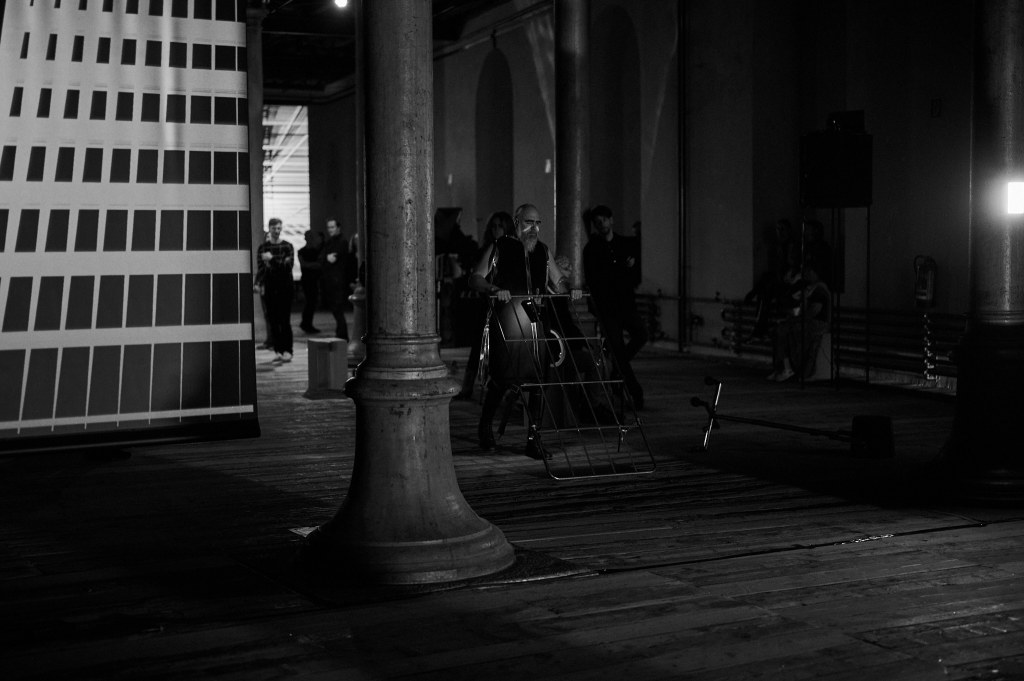
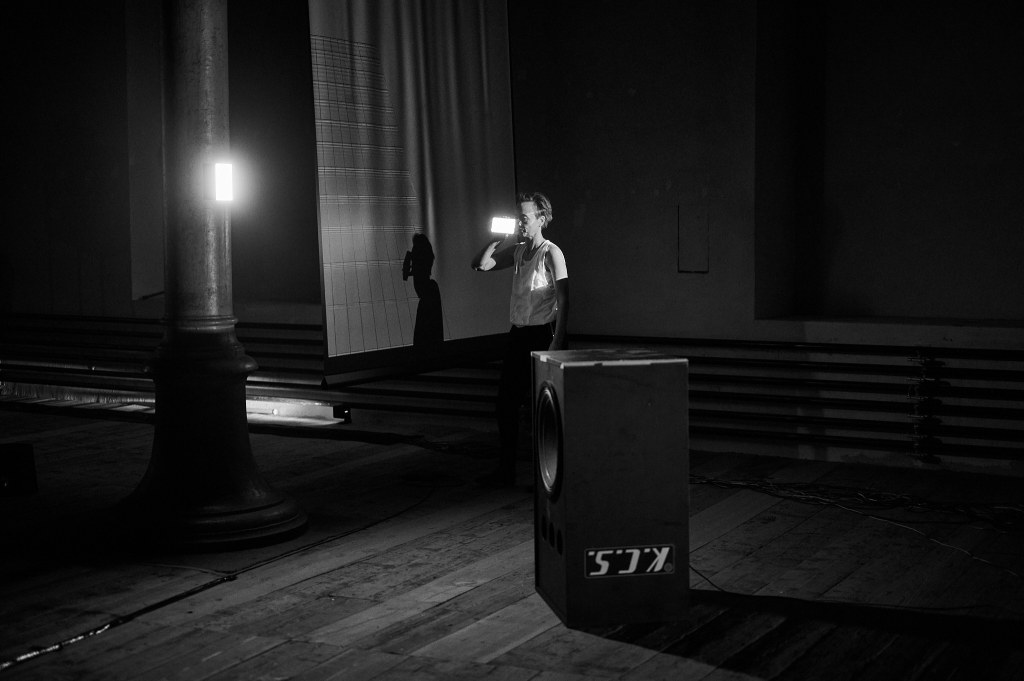
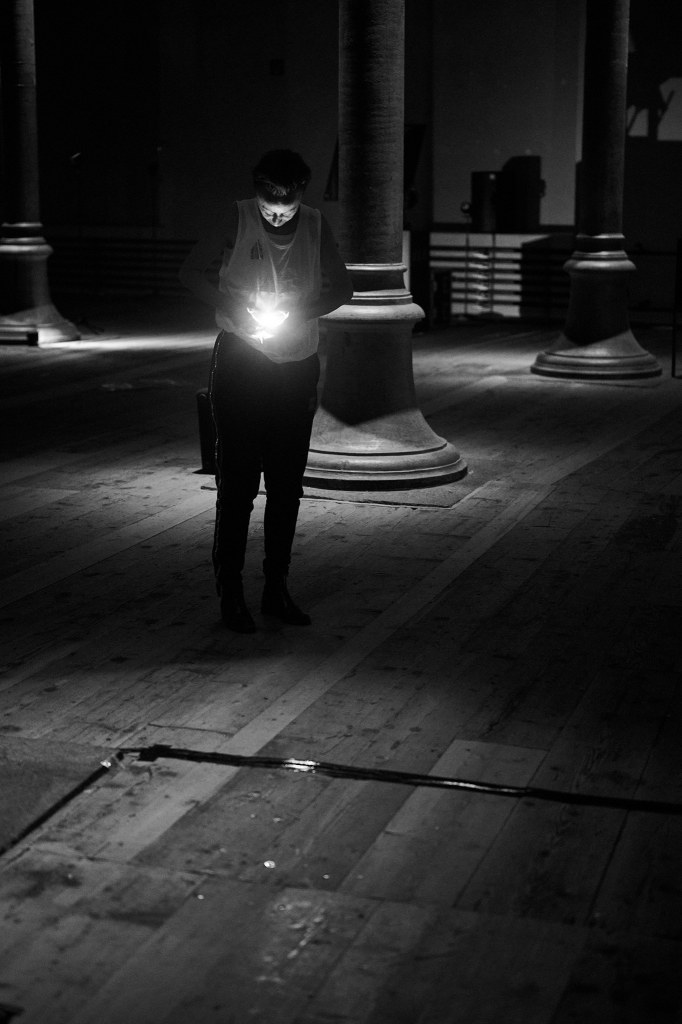
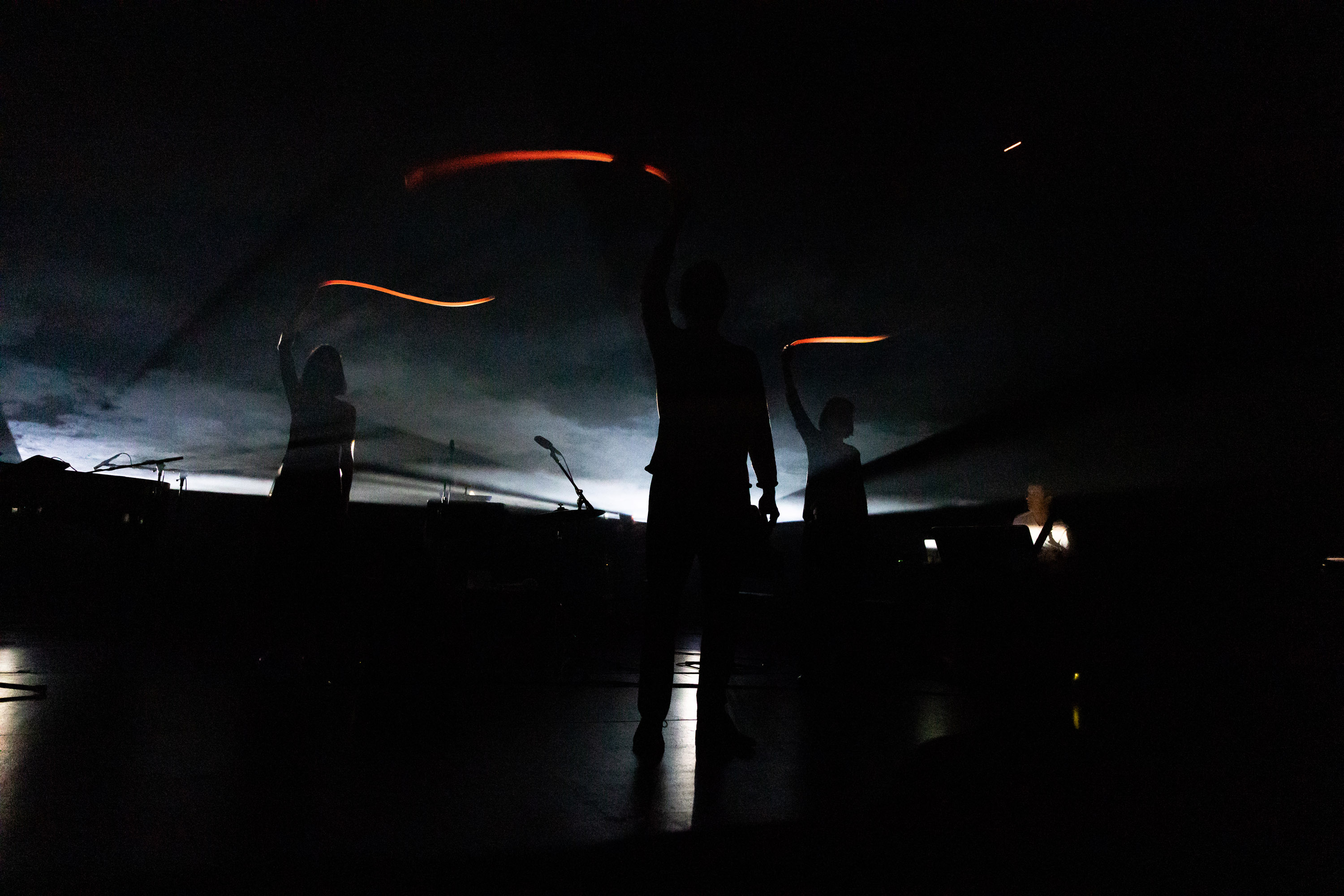
Performers on bicycles with various mobile loudspeakers rotate around the audience as a moving sound performance, creating a multi-channel electronic sound experience. The spatial experience changes acoustically and visually through movement. It is expanded by projection, light, and the narrative use of adapted sports gear and custom bicycles from Bikepolo and wheelchair basketball. The sound and movement scores include graphically documented examples of historical cycle dance formations. Cycle dance was a form of cycling culture popular around the turn of the last century. In that dance, (quadrille), gymnastics, and parade elements were implemented with the bike and was performed in gymnasiums or squares all over Vienna, among other places. Fluidity, aspects of the hybrid, and the in-between are developed into a choreography of a contemporary cycle dance and reinforced by the choral composition of sounds.

Spinning Bodies: CYCLING WHEELS explores the possibilities of movement transformation and translation processes: The changing positions of performers and sound on the bicycle create acoustic and spatial experiences that constantly transform the space and integrate it dynamically. Parameters such as speed, tempo, and distance of the soundbikes directly influence the sound and image.

The relational play with bodies, formations, wheels, music, and light results in its own visual-acoustic choreography: these are forms of movement that are process-oriented, open-ended, and not linear in their reading direction, but concentric, spiral-shaped, multi-channel, hybrid, collective, and multi-layered. Methodologically, this can be used to describe a queer form of movement and from this, in turn, to develop a queer methodology. Constructivist and post-structuralist performance theories define gender identity as a socio-cultural construction that is only produced, learned, and performed through the practical repetition of culturally transmitted norms, in linguistic expressions and physical actions, in the (everyday) communication and interaction of people. This is also where the resistant potential of the performative lies. Conversely, performative acts can open up new possibilities for action. Through performative gestures, the norms and rules of individual and social reality – such as the tendency towards social simplification through binary models of thought – can be renegotiated, and normative patterns of movement and thought processes can be deconstructed.

Film Credits:
Performance: Bokan M. Assad, Emilio Atrio, Omayra Bolaños, Astrid Eder, Gischt, Philipp Hochenburger, Gratis Kaiserin, Annick Kleiner, Cornelia Scheuer, Anish Singh, Alex Suppan
Regie: Conny Zenk
Cinematographie: Ioana Tarchila, Jan Polak
Schnitt: Hannes Starz
Musik: Gischt
Laser: Jerobeam Fenderson, hansi3d
Technische Leitung: Georg Hartl
Camera Operator: Ioana Tarchila
Sounddesign: Florian Kindlinger
Choreographie: Philipp Hochenburger, Cornelia Scheuer, Anish Singh, Alex Suppan, Conny Zenk
Participative Skulptur: Rodeorad #3 by Gratis Kaiserin
Kostüm: Anna F. Schwarz
Maske: Isabella Gajcic 
Director Assistant: Markus Liszt 
Licht: Jan Polak & Georg Hartl
Color Grading: Dimitri Aschwanden
Produktionsleitung: Lena Kauer | der goldene shit
Produktion: amaze | HAZE

Hervorgehoben

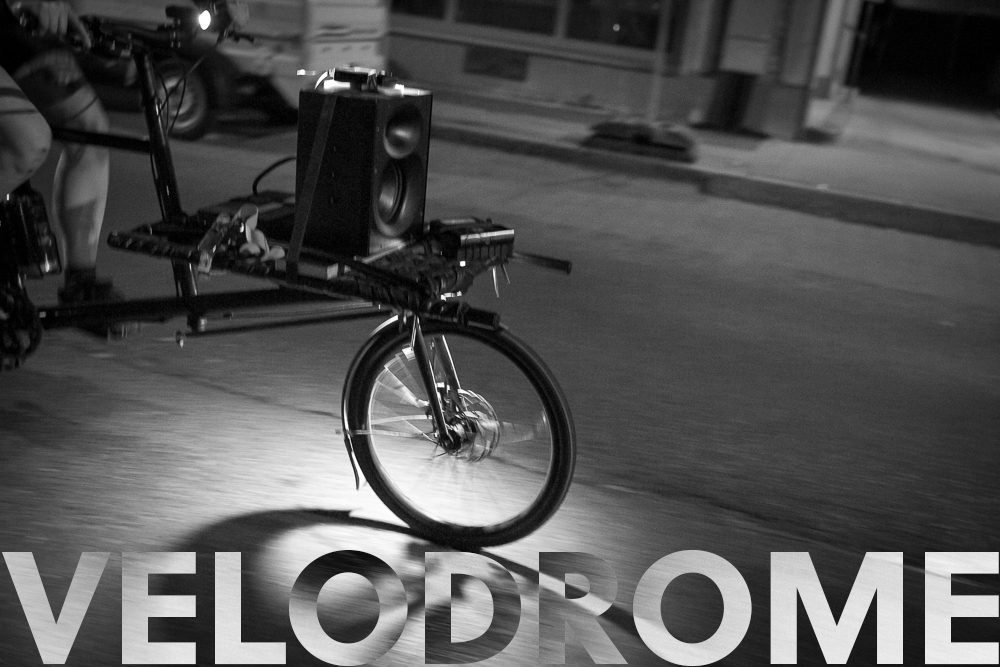
VELODROME

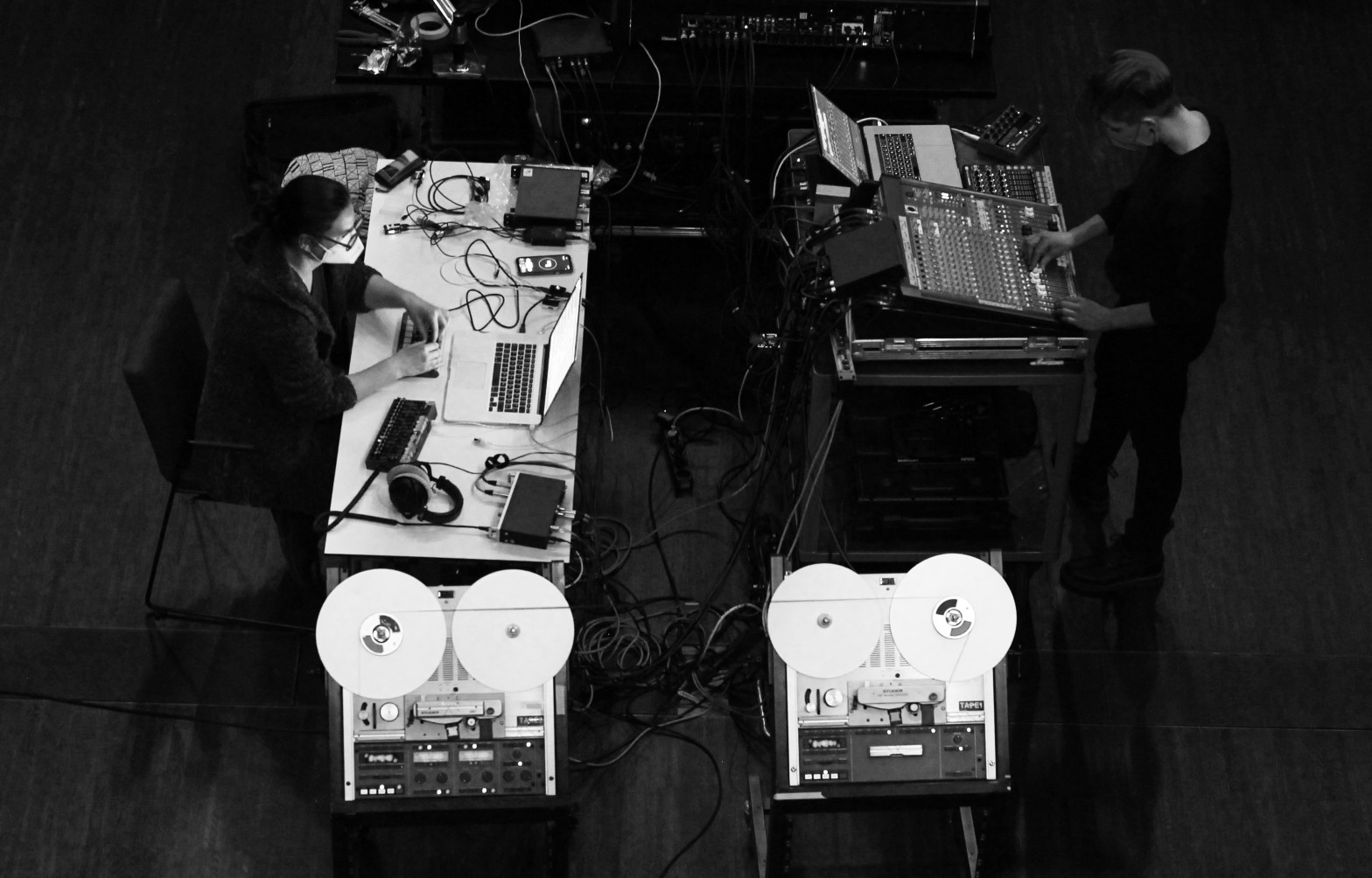
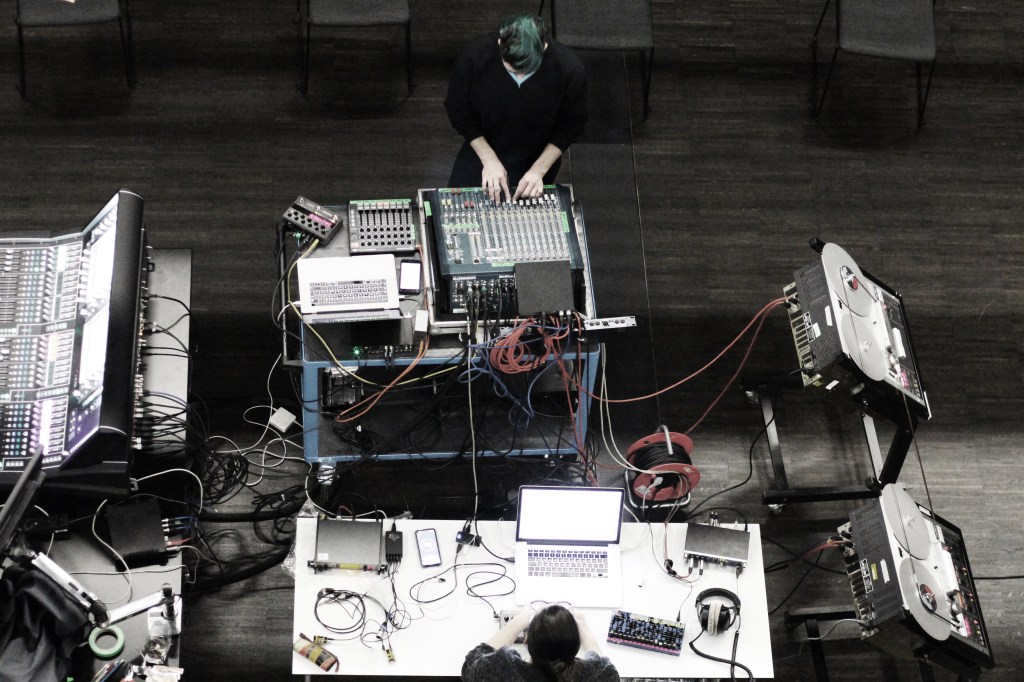
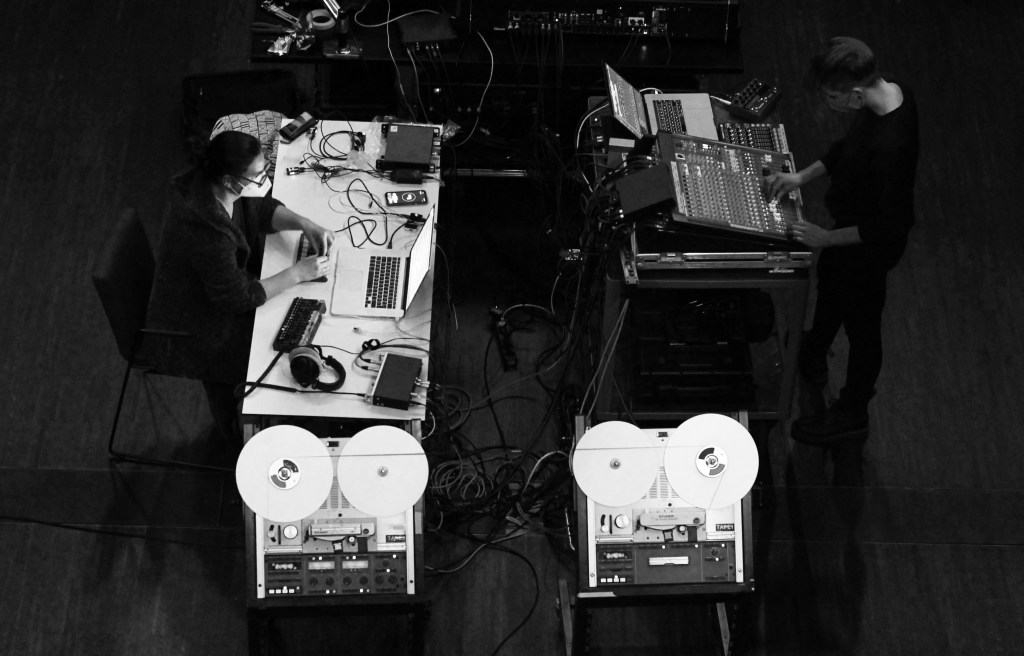
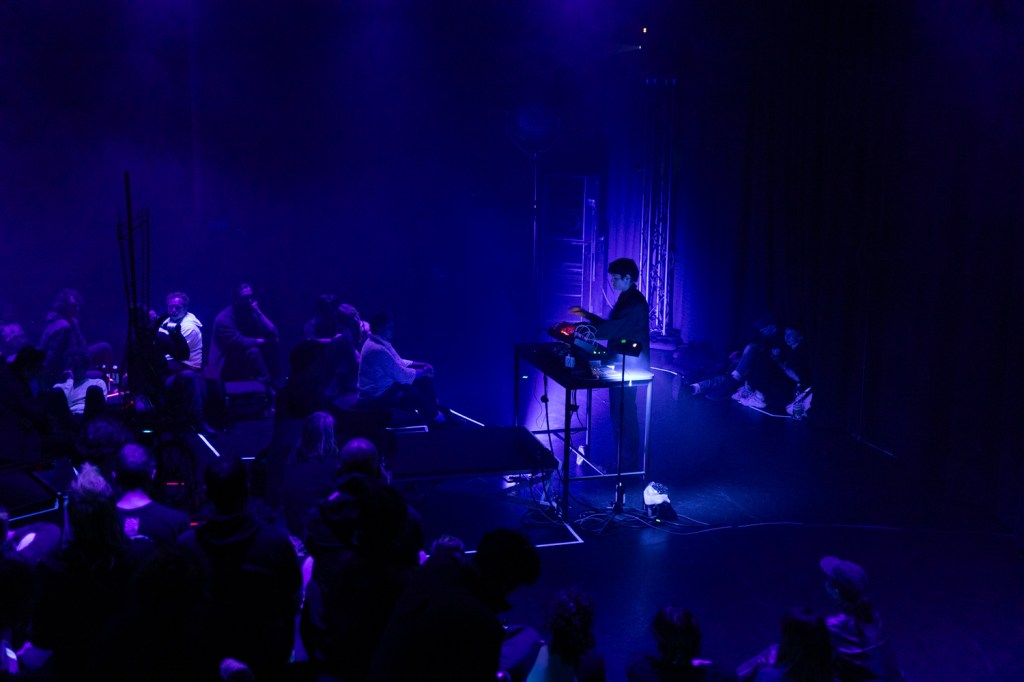
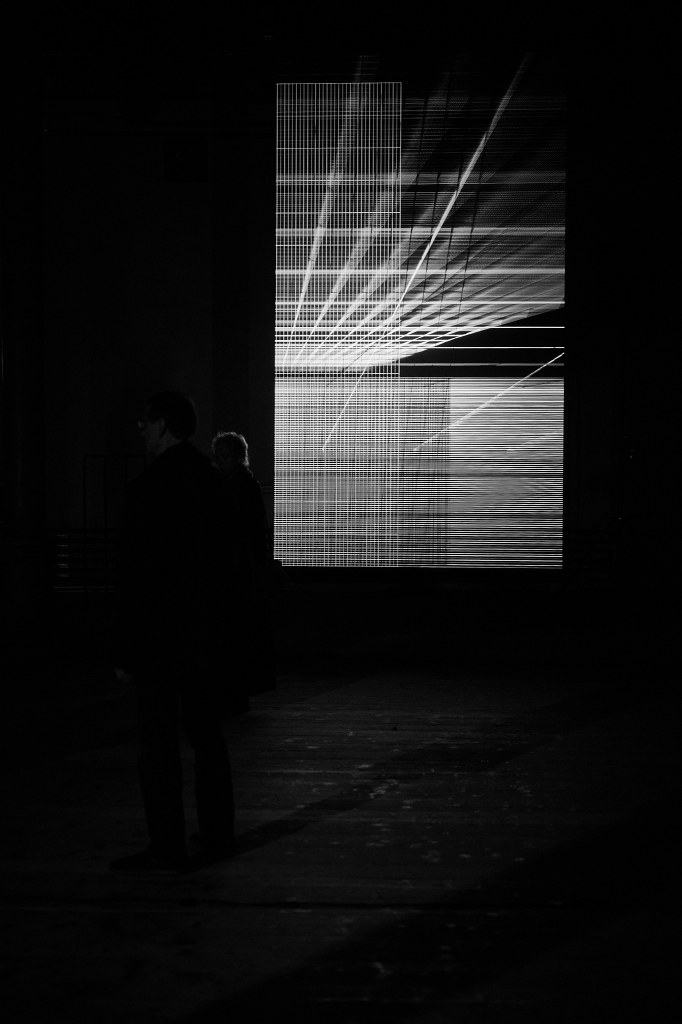
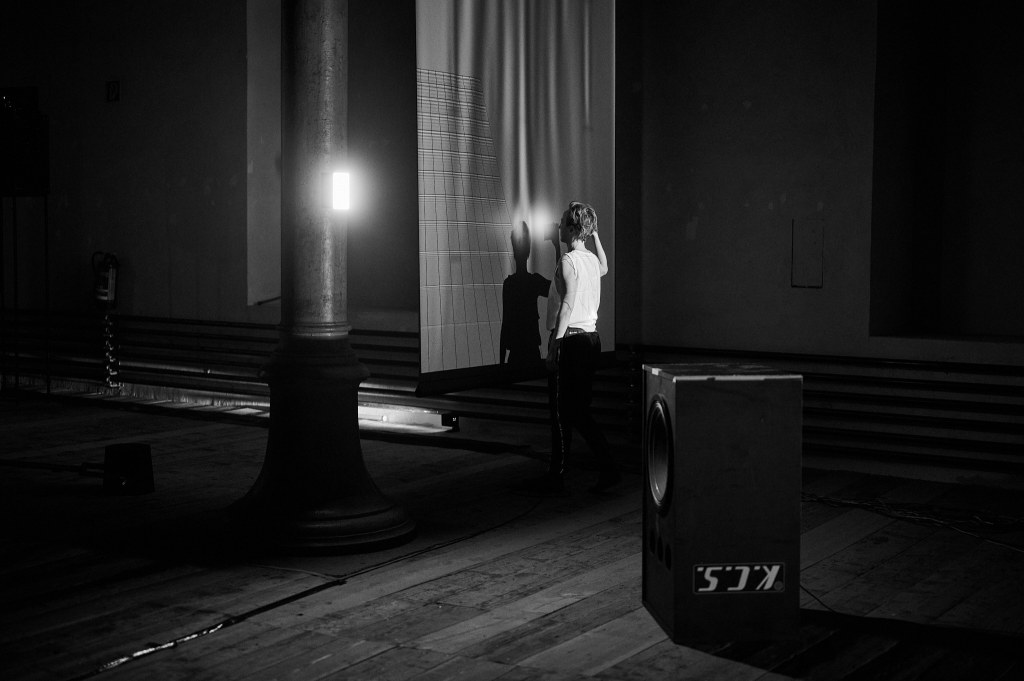
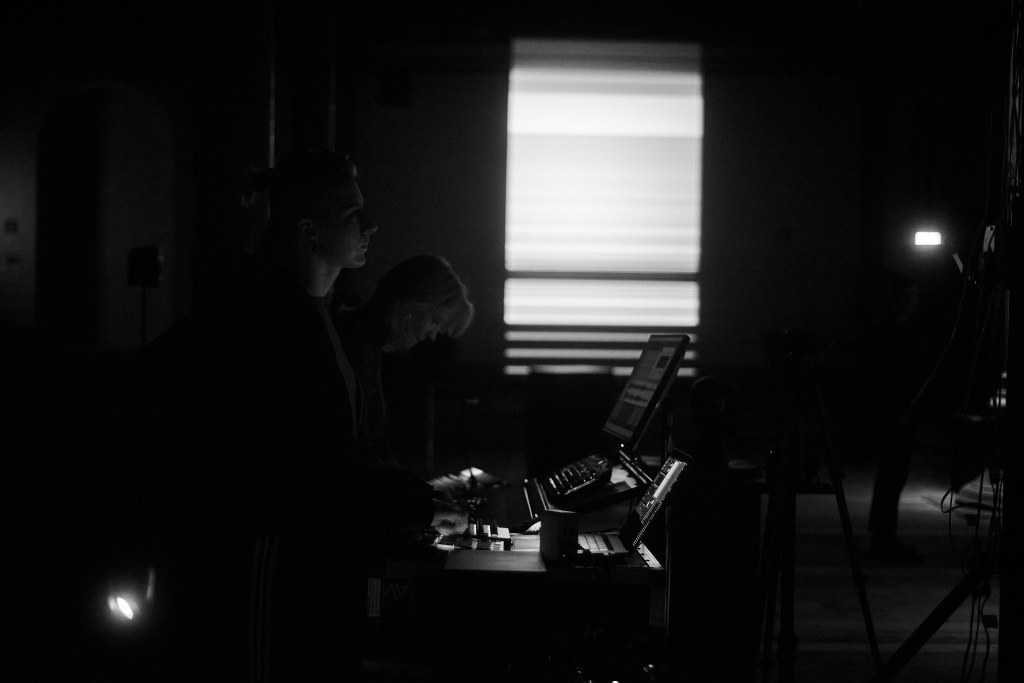
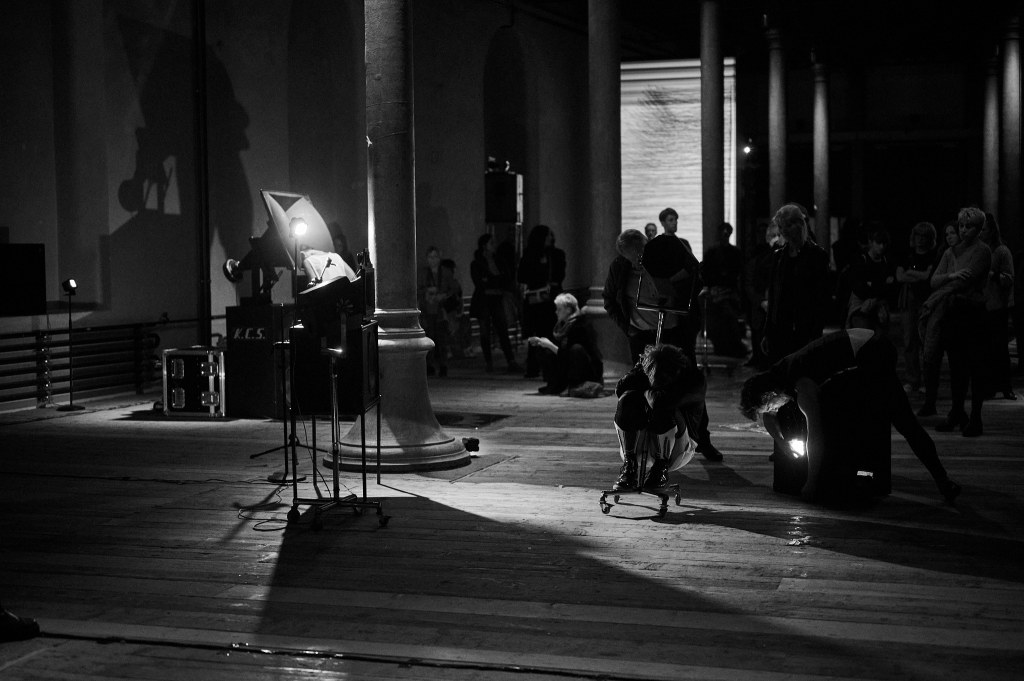
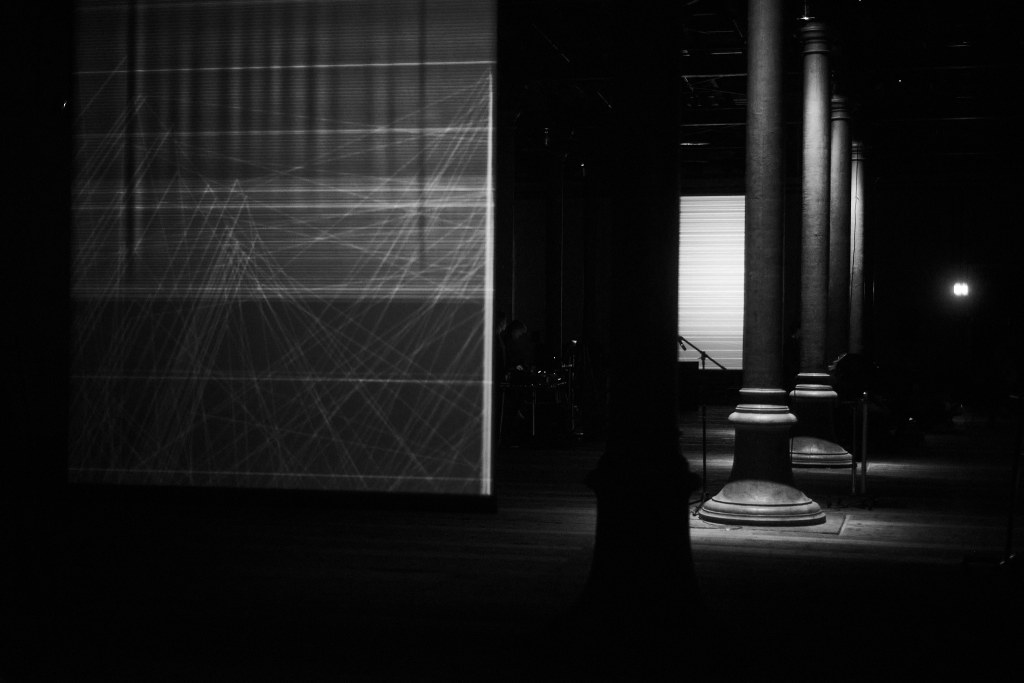
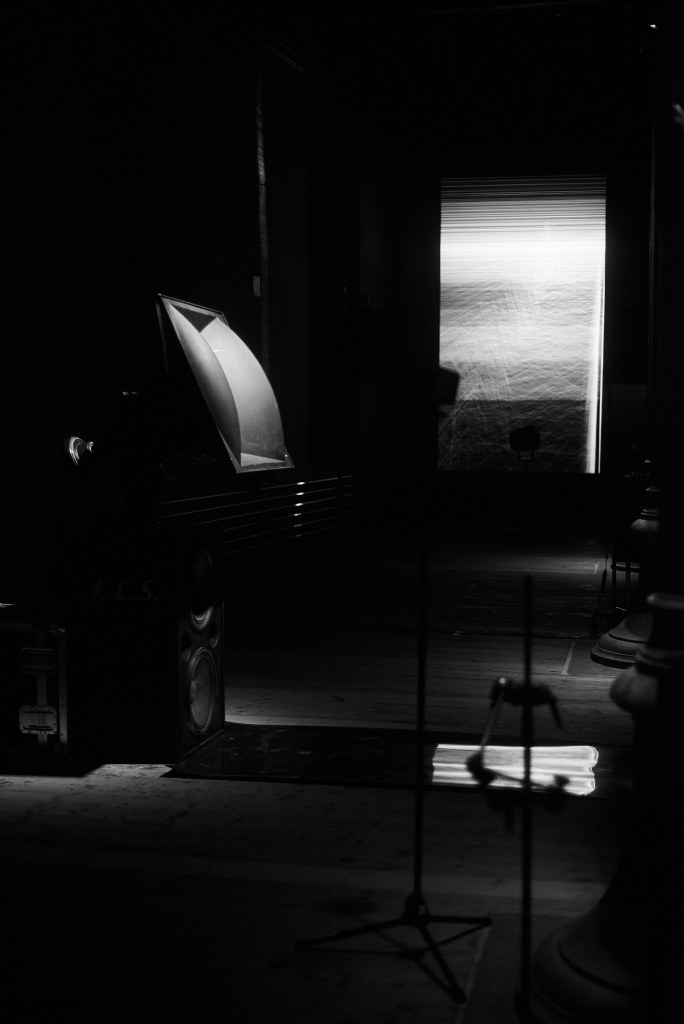
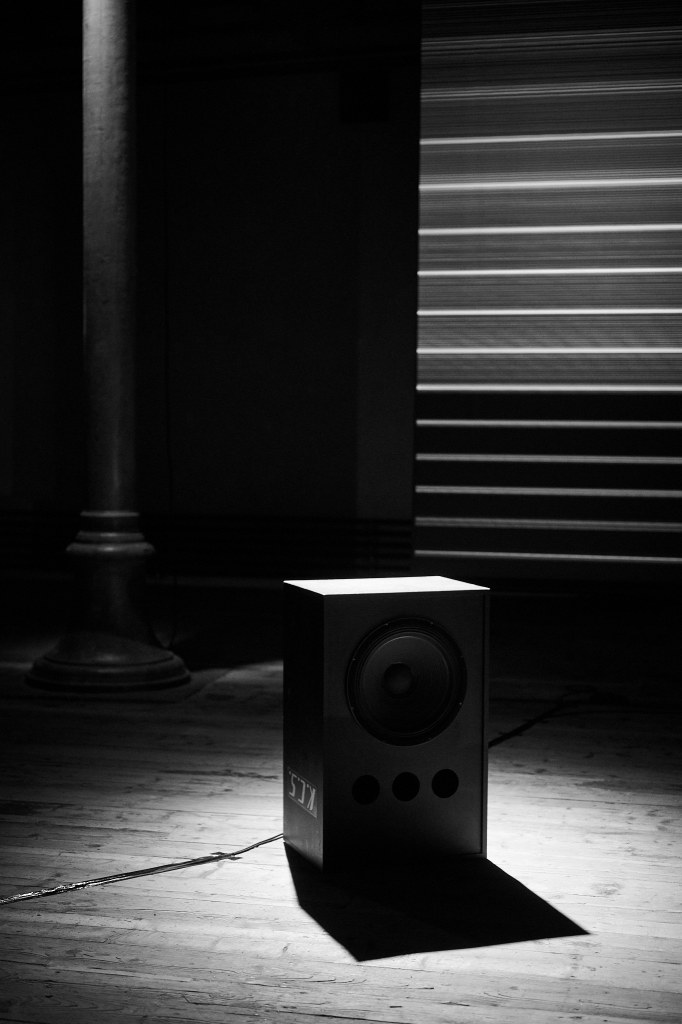
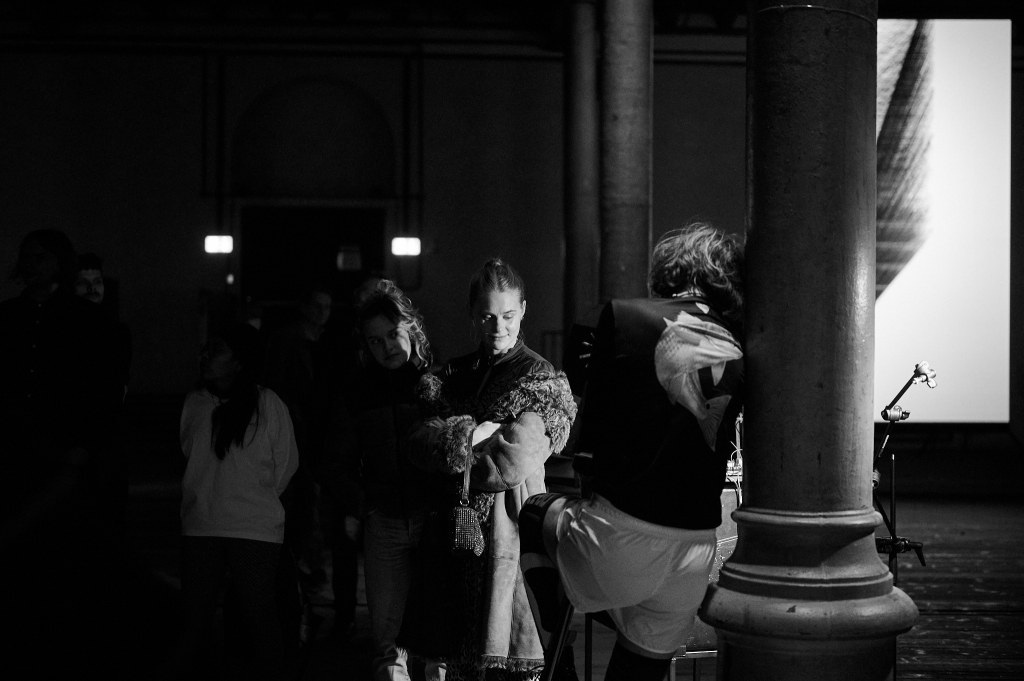
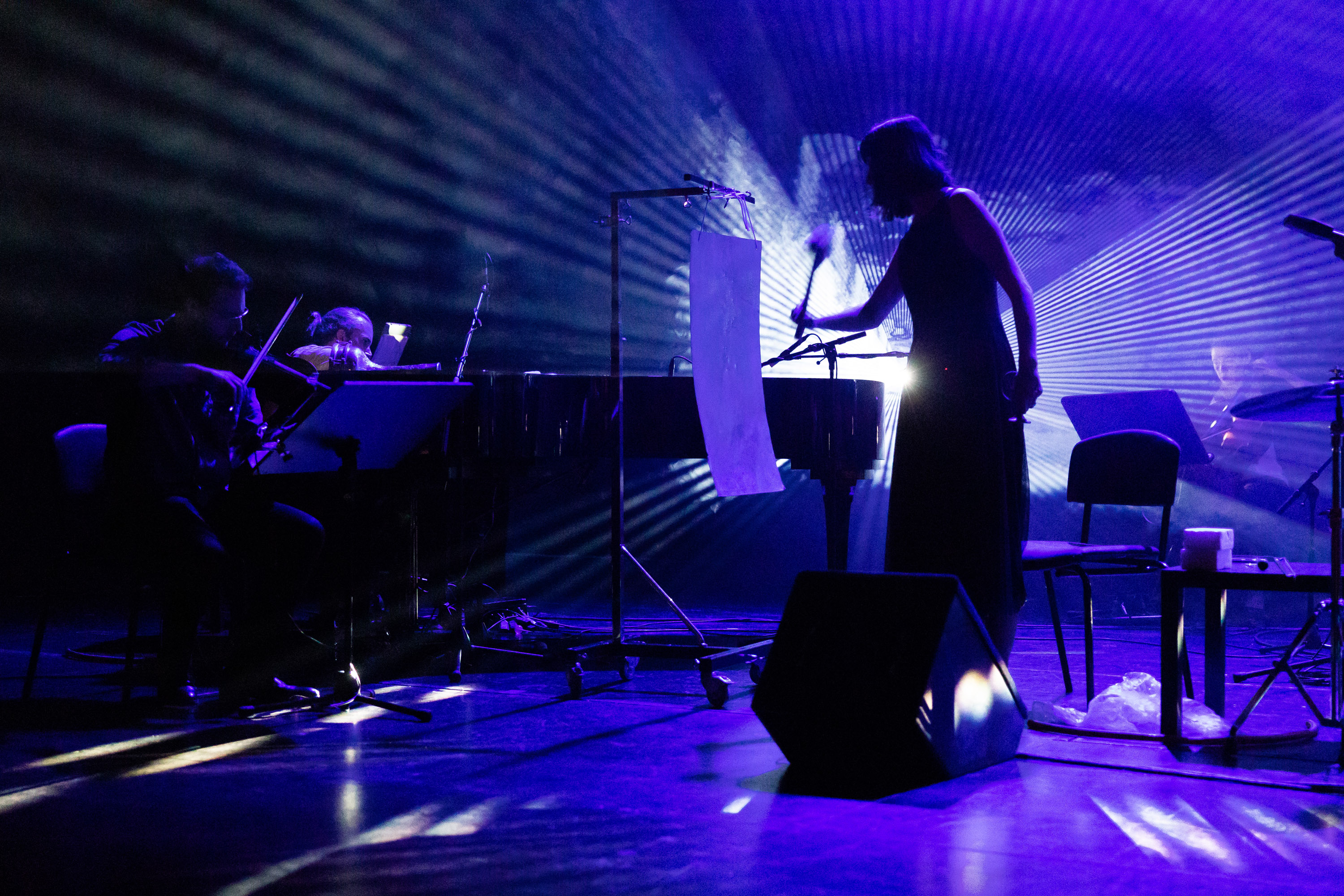
VELODROME is a cycling audio-visual performance conceived as circular movements.  Acoustic and spatial experiences are created through the choral movement of loudspeakers and performers on bicycles. Pulsating waves of sound, light, and wheels by RAD Performance.

Conny Zenk and Veronika Mayer have been performing as a duo since 2012 – developing their audio-visual language and compositions in ongoing collaborating research.

09-02-2022 | 19:00
Künstlerhaus Wien, Factory
k-haus.at

ARTISTS:
Conny Zenk (tape loops, projections)
Veronika Mayer (electronics)

RAD PERFORMERS ON SOUNDBIKES:
Luca Charlotta Sulzbach
Viktor Lundgaard

TEAM:
Georg Hartl (sound / light engineering)
Jan Polak (light engineering)
Christian Schratt (video documentation)


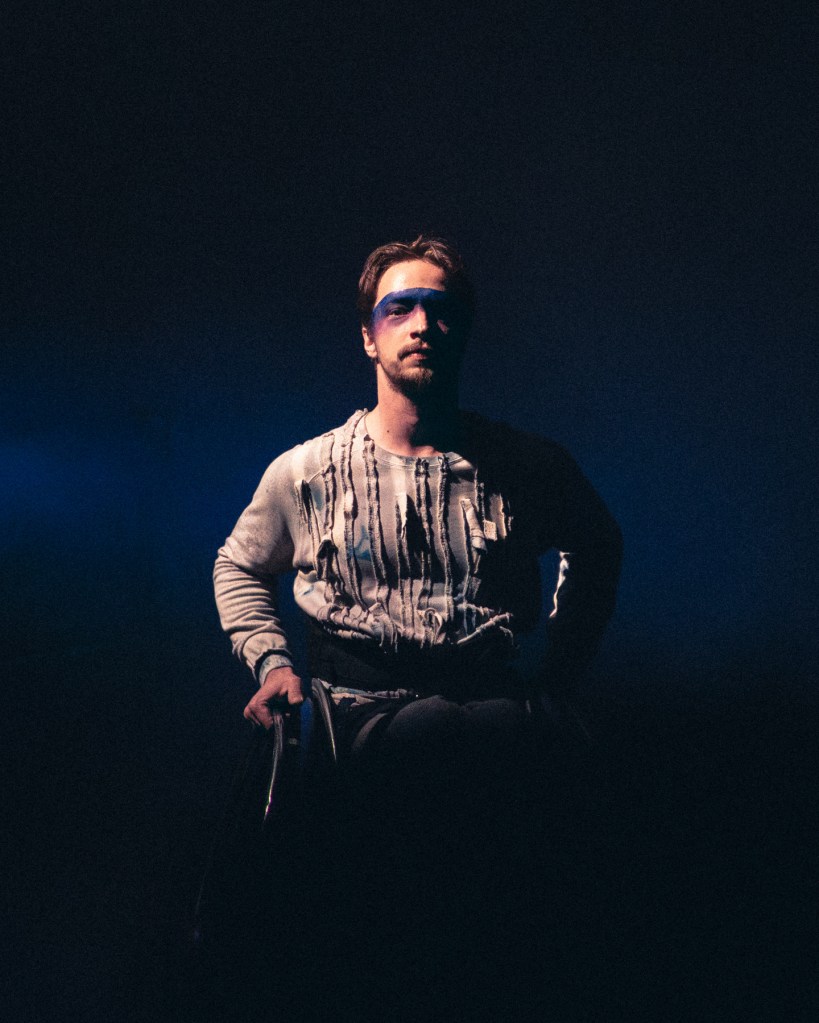
SPINNING:BODIES Performance

SPINNING:BODIES describes a multi-layered meditation on life in a state of emergency, on language as the last resource, on the failure of systems and the fragility of identity. The „Future Club“ is less a place than a state: a place of transitions, of searching, of ultimate hope in the midst of demise.

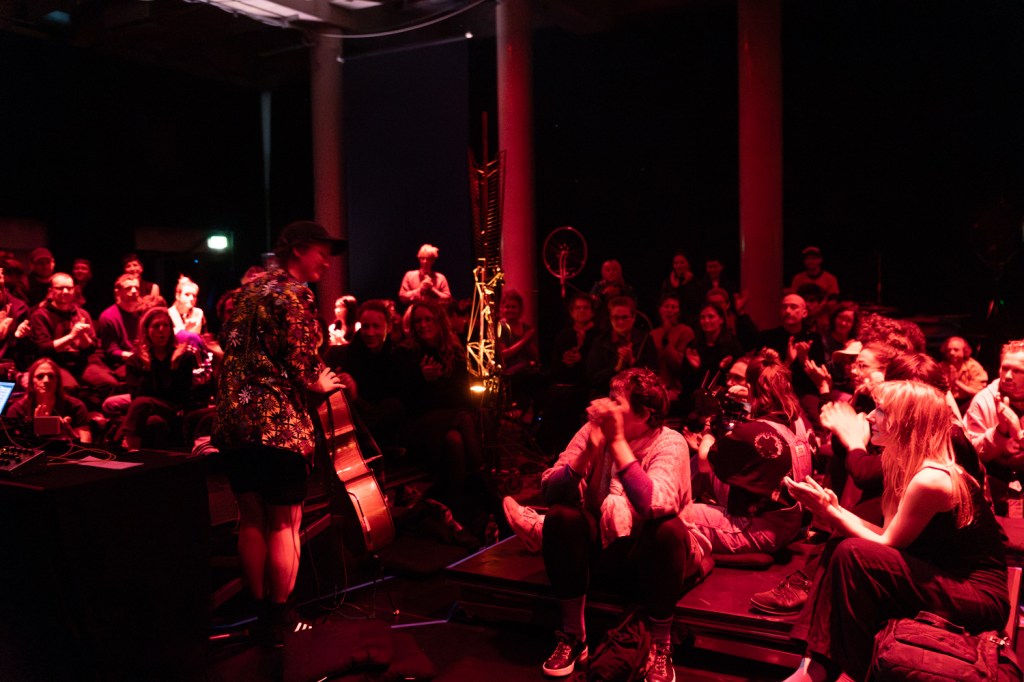
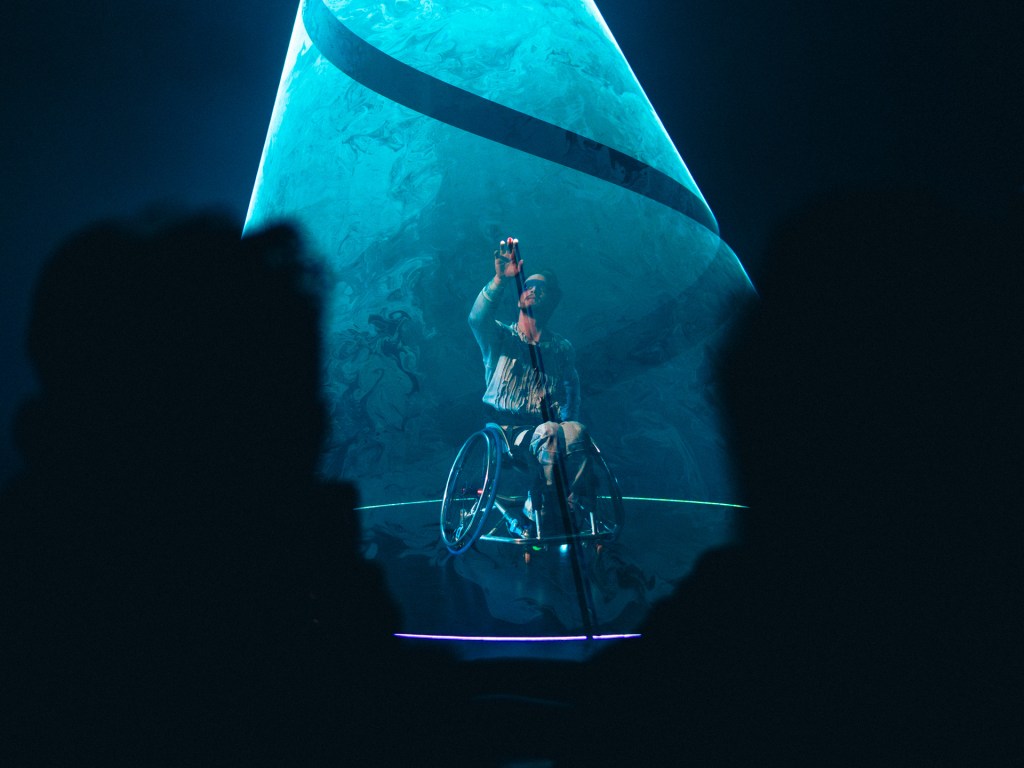
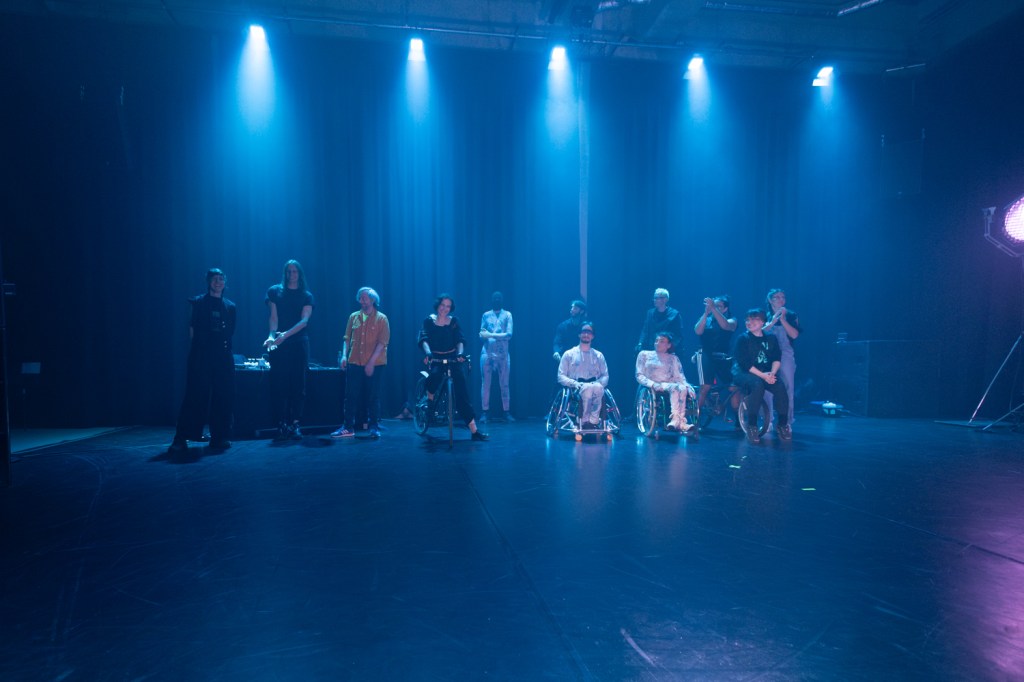
Collective body practice and hybrid identity: freak bikes, bicycle sculptures, bicycles specially adapted to the performers‘ bodies from bike polo and wheelchair basketball. Multi-channel concerts in motion turn language into a material, an soundtrack and a performative gesture. Bicycles are vehicles, instruments and performers.

SPINNING:BODIES  is an interdisciplinary project that is located between performance, film, sound art and audio-visual concert. The starting point of the project is the recently produced film spinning:bodies by Conny Zenk, to which Thomas Ballhausen has developed the text „Future Club“. The subsequent performance sees itself as a post-film transformation: a living, collective thinking space that brings language, sound, movement and space into new relationships.

„Twilight is just another form of attention. I hardly intervene, I just mediate between the states of aggregation, benevolently and somewhat enviously at the same time. This room is a ship, it falls, sinks, drifts.“ – Thomas Ballhausen

TEAM

Concept / Artistic direction: Conny Zenk
Performance: Cornelia Scheuer, Alexander Suppan
Rodeobike #3: Gratis G
Soundbikes: Bokan M. Assad, Elena Tiis, Emilio Atrio, Gulnaz Safina, Omayra Bolaños, Stefan Bahula
Sound / Concert / Performance: Creatures, Gischt, Rahel Kraft, Jeroboam Fenderson & Hansi3D
Sound / Installation: Veronika Mayer
Text: Thomas Ballhausen
Composition Soundride / Voice: Rahel Kraft
Composition Soundbikes: Mala Herba
Choreography / Media / Workshop: Cornelia Scheuer, Alexander Suppan, Romy Kolb, Conny Zenk
Dramaturgical Support: Rahel Kraft
Outside Eyes & Ears: Markus Liszt, Marie-Claude Poullin, Jakob Schauer, Magdalena Scheicher
Technical direction / sound / light: Georg Hartl
Laser & Tracking: Jeroboam Fenderson & Hansi3D
Live camera: Ioana Tarchila
Spatial thinking in lines / Make-up: Eva Grün
Costume: Anna Schwarz, Astrid Eder
Production Management / PR / Social Media: Michaela Zenk
Graphic Design: Joanna Coleman
Video: Francesca Centonze
Photography: Daphne von Schrader, Hannah Mayr
Production: amaze | HAZE
VENTIL /a’larme 2022

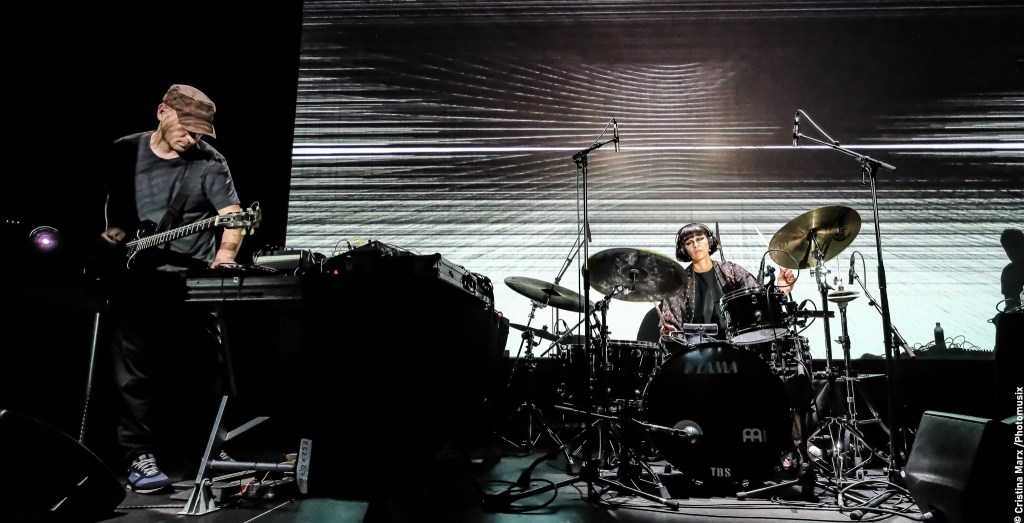
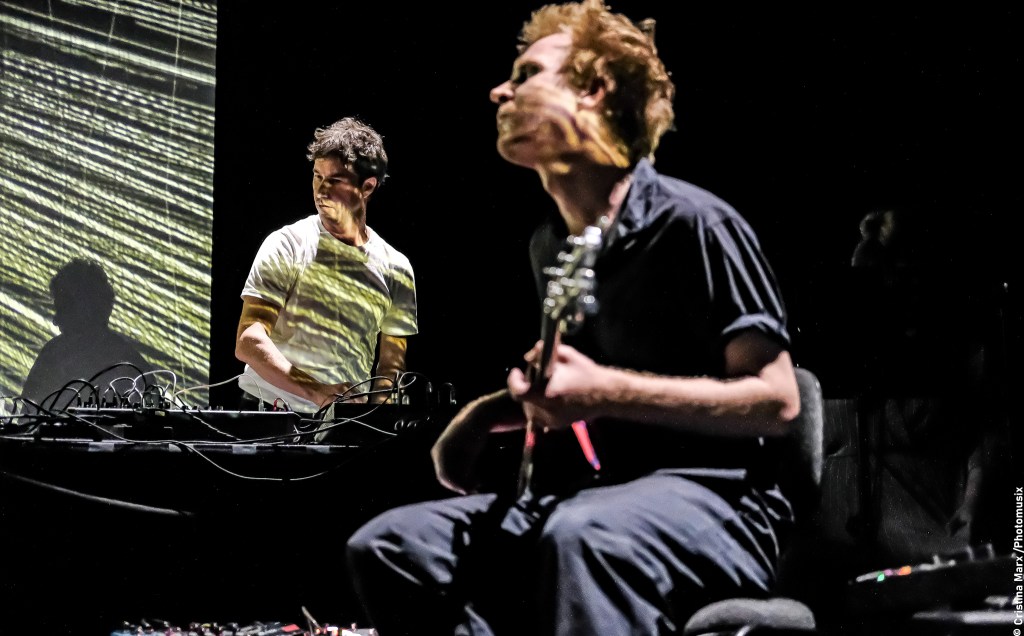
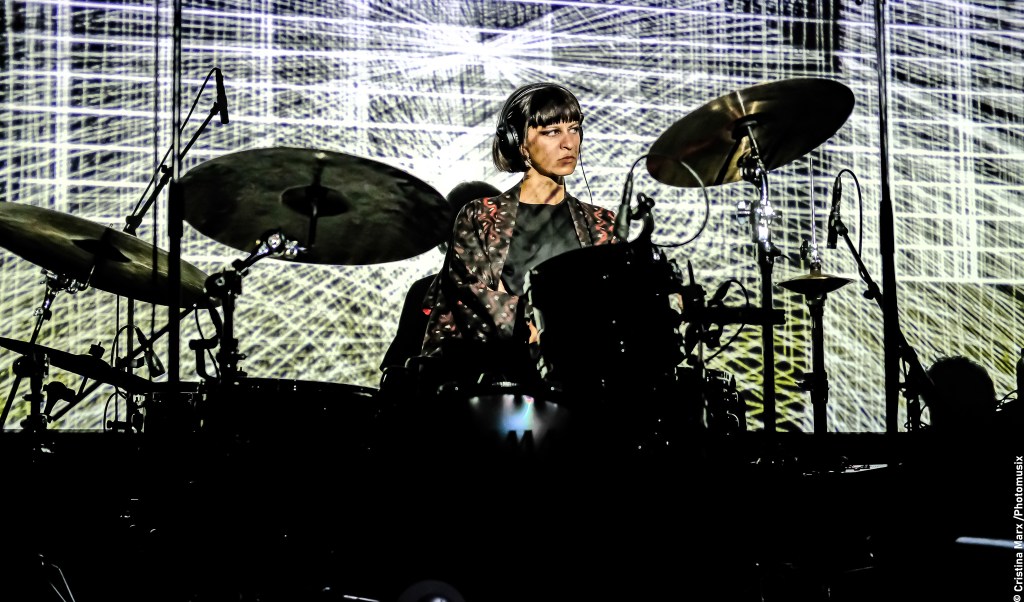
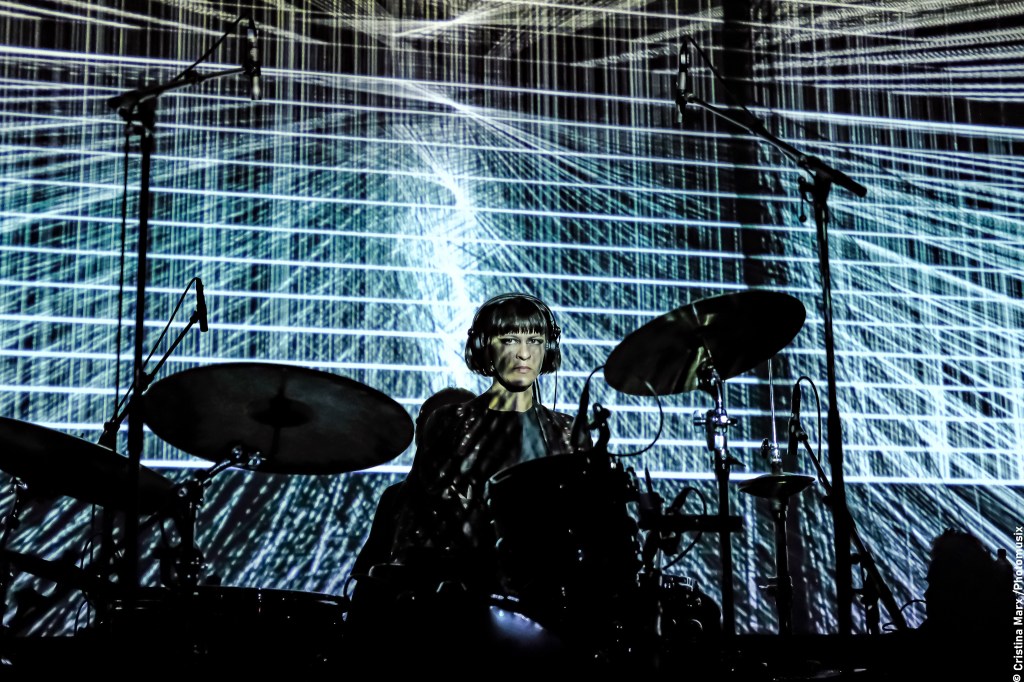
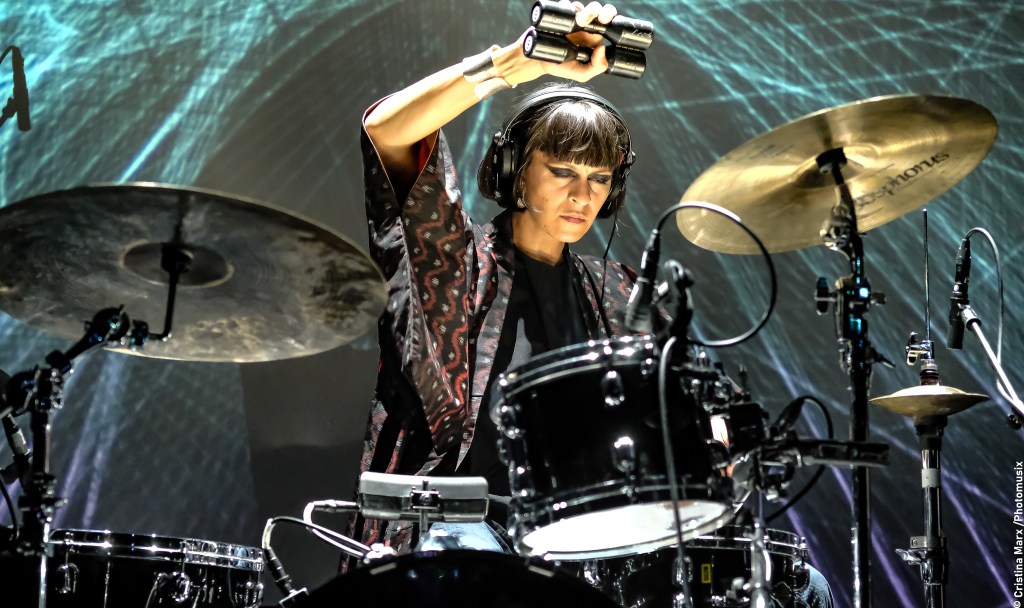
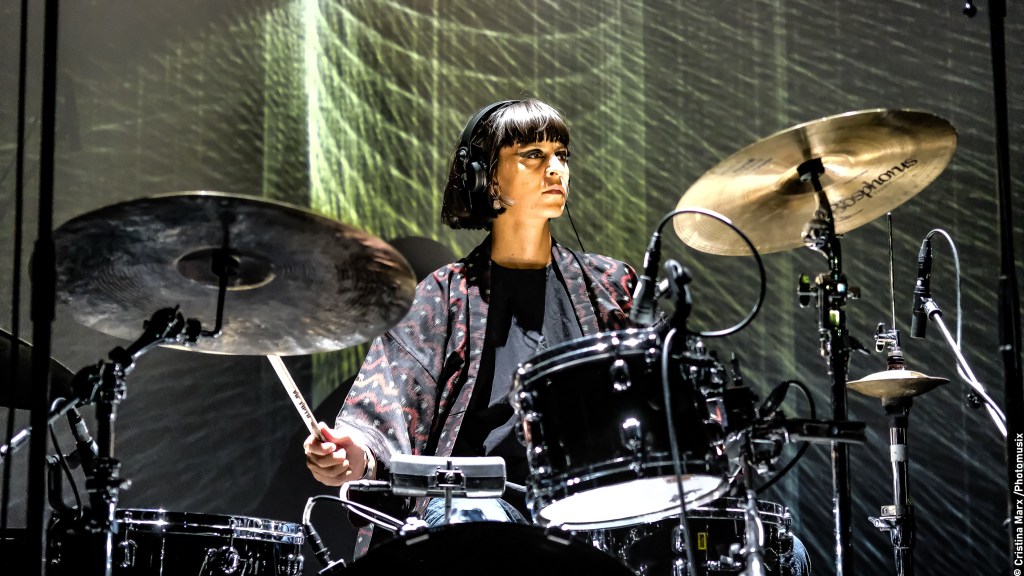
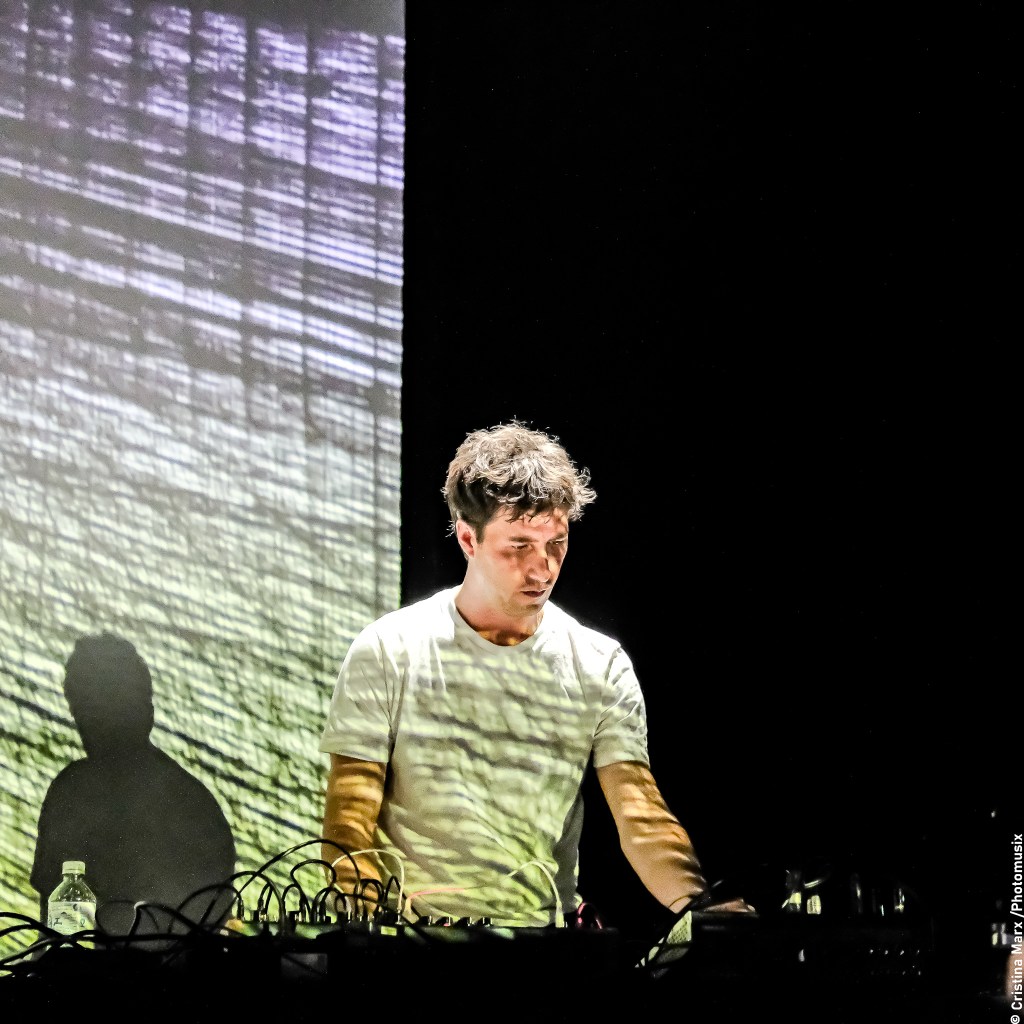
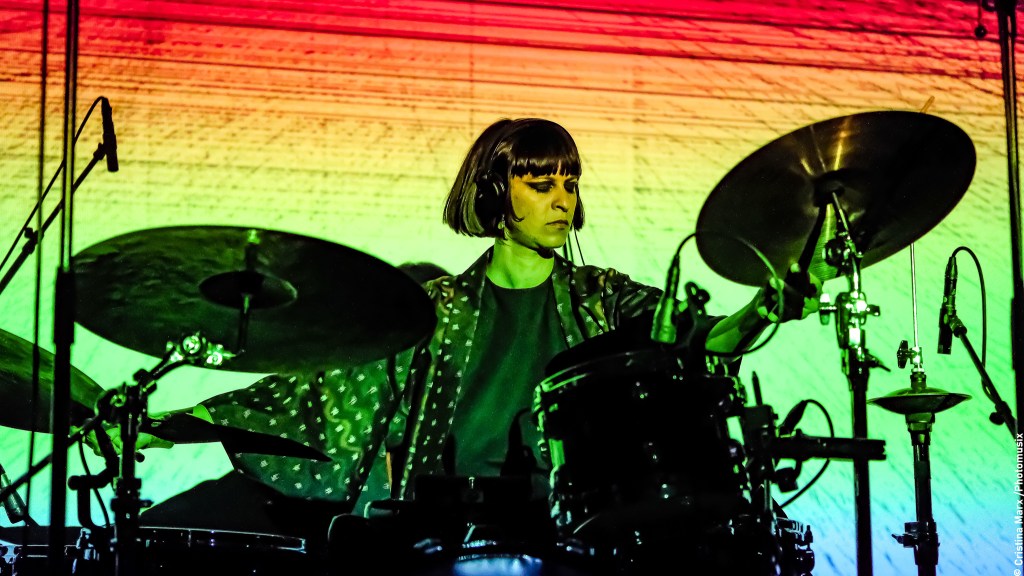
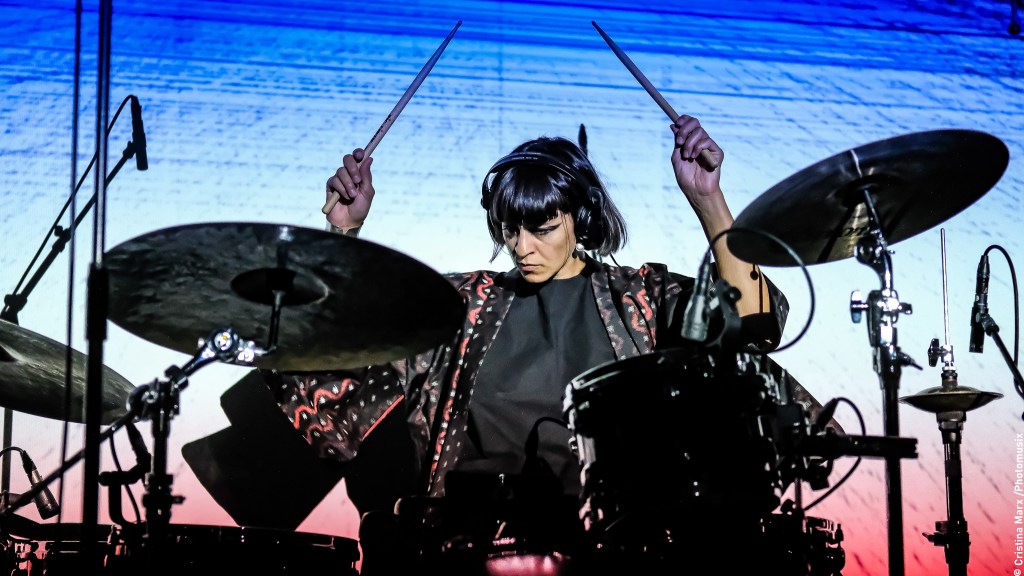
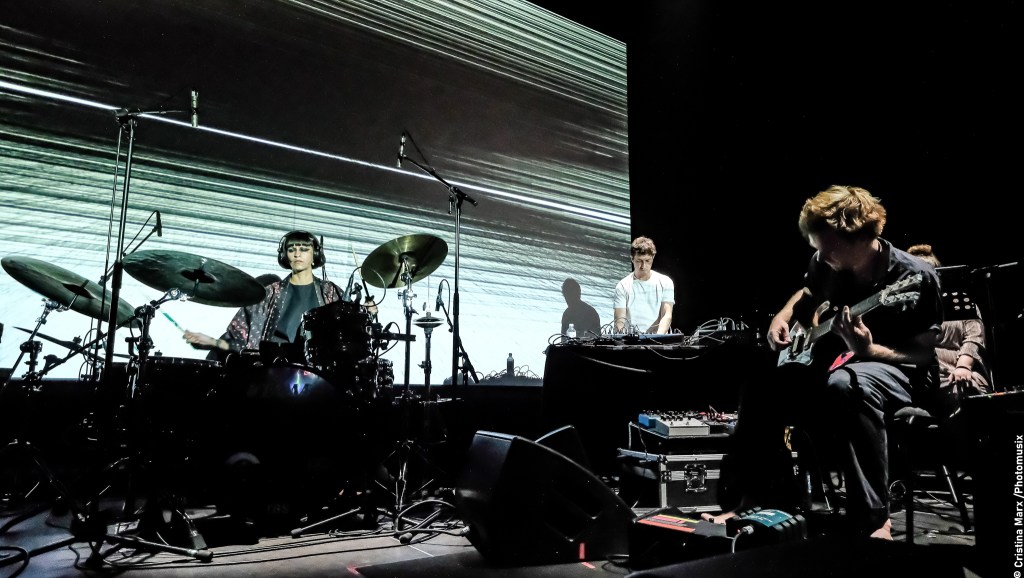
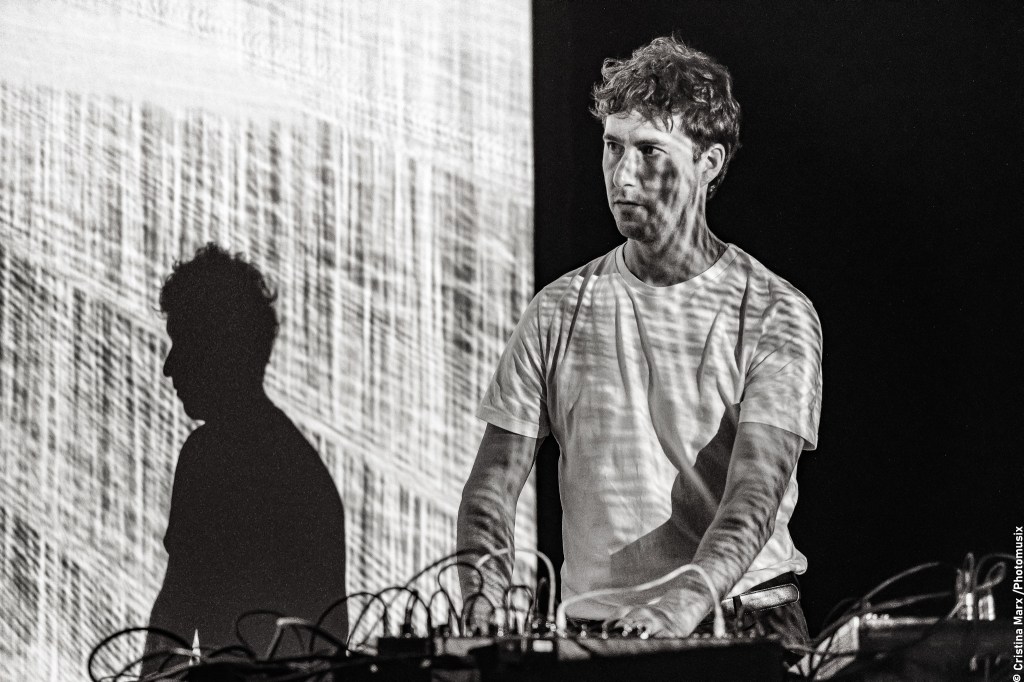
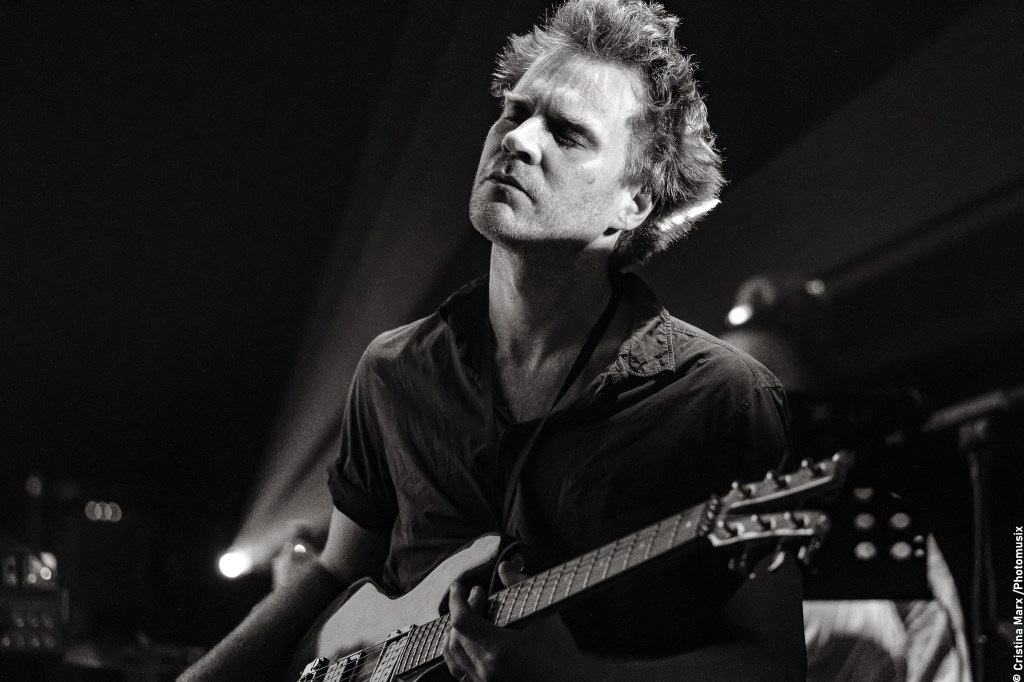
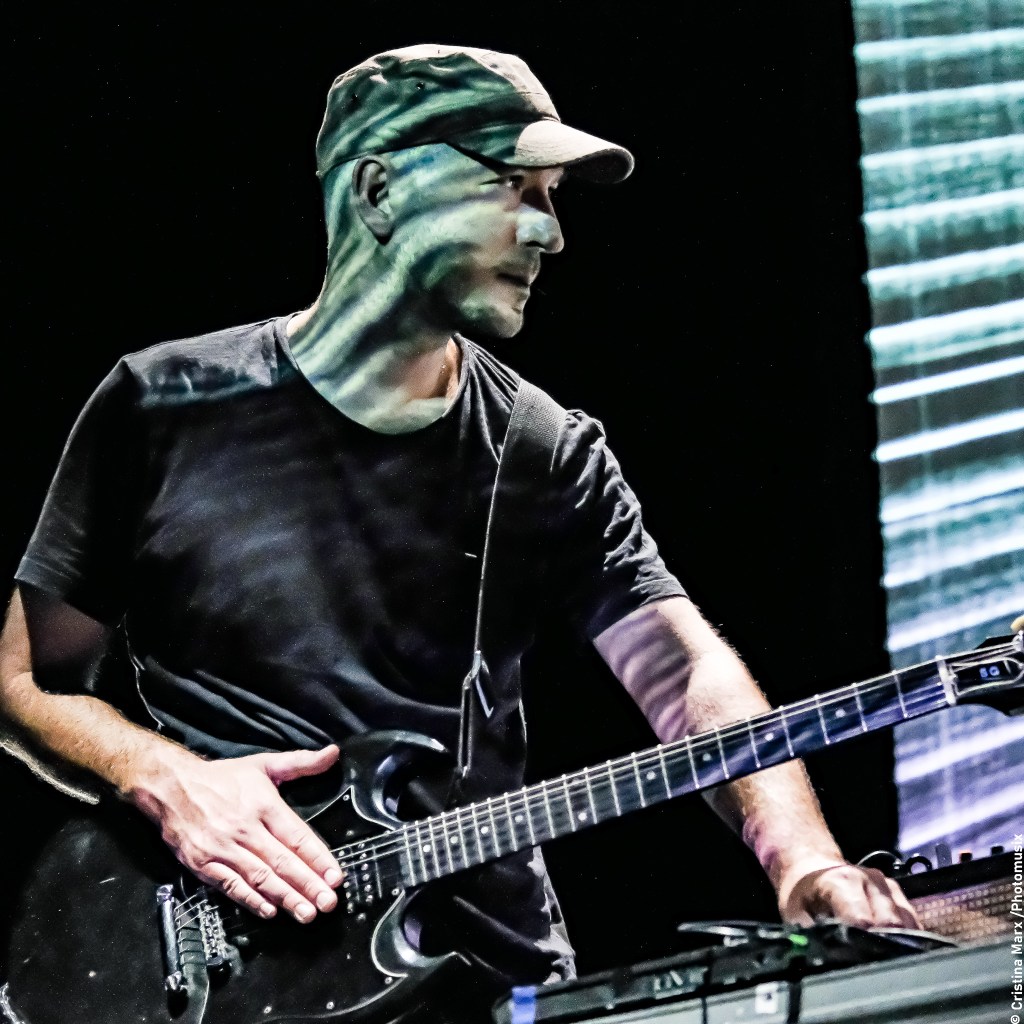
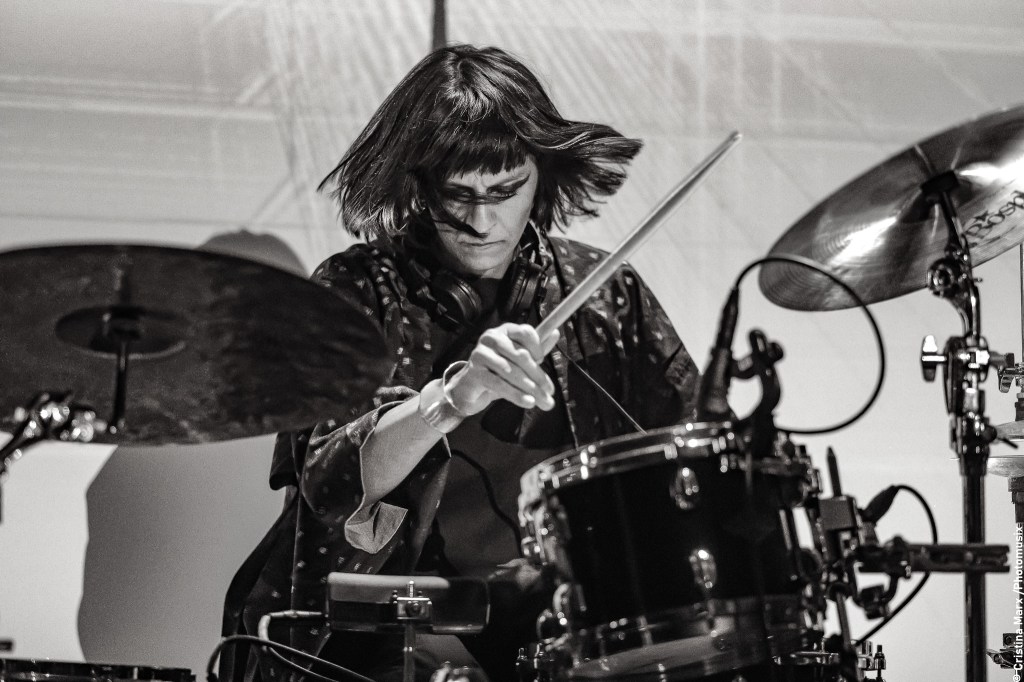
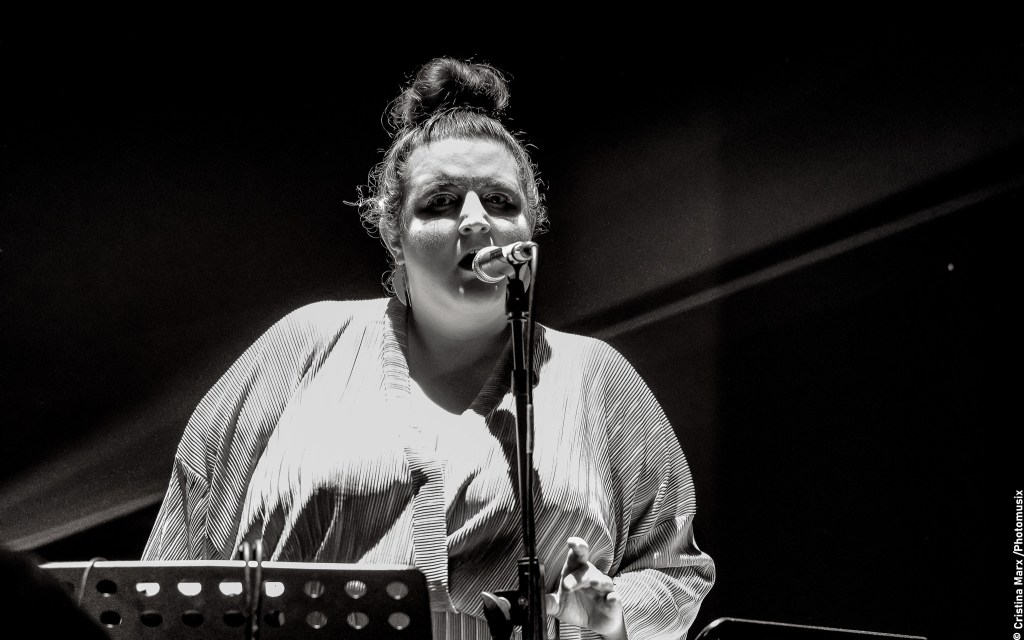
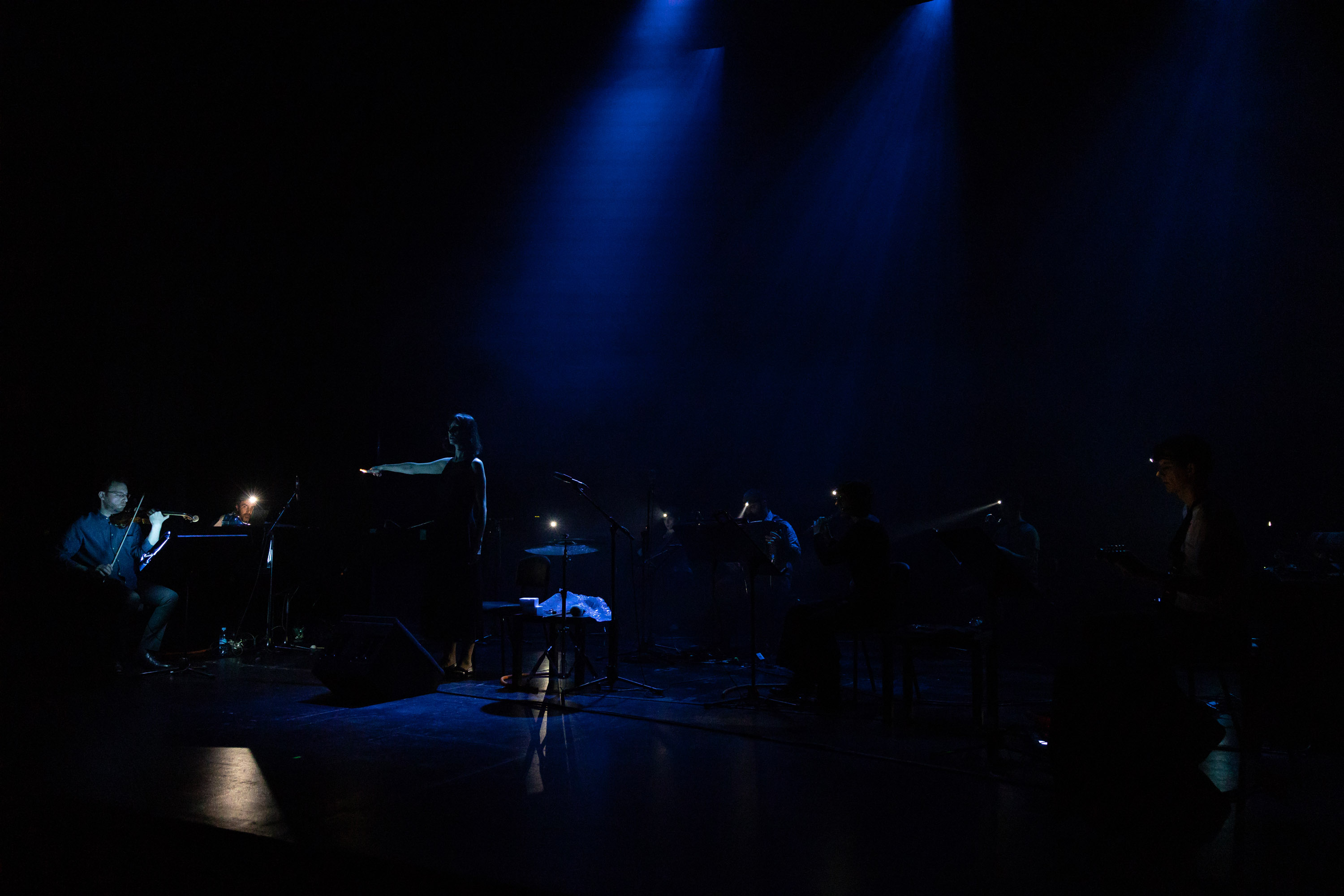
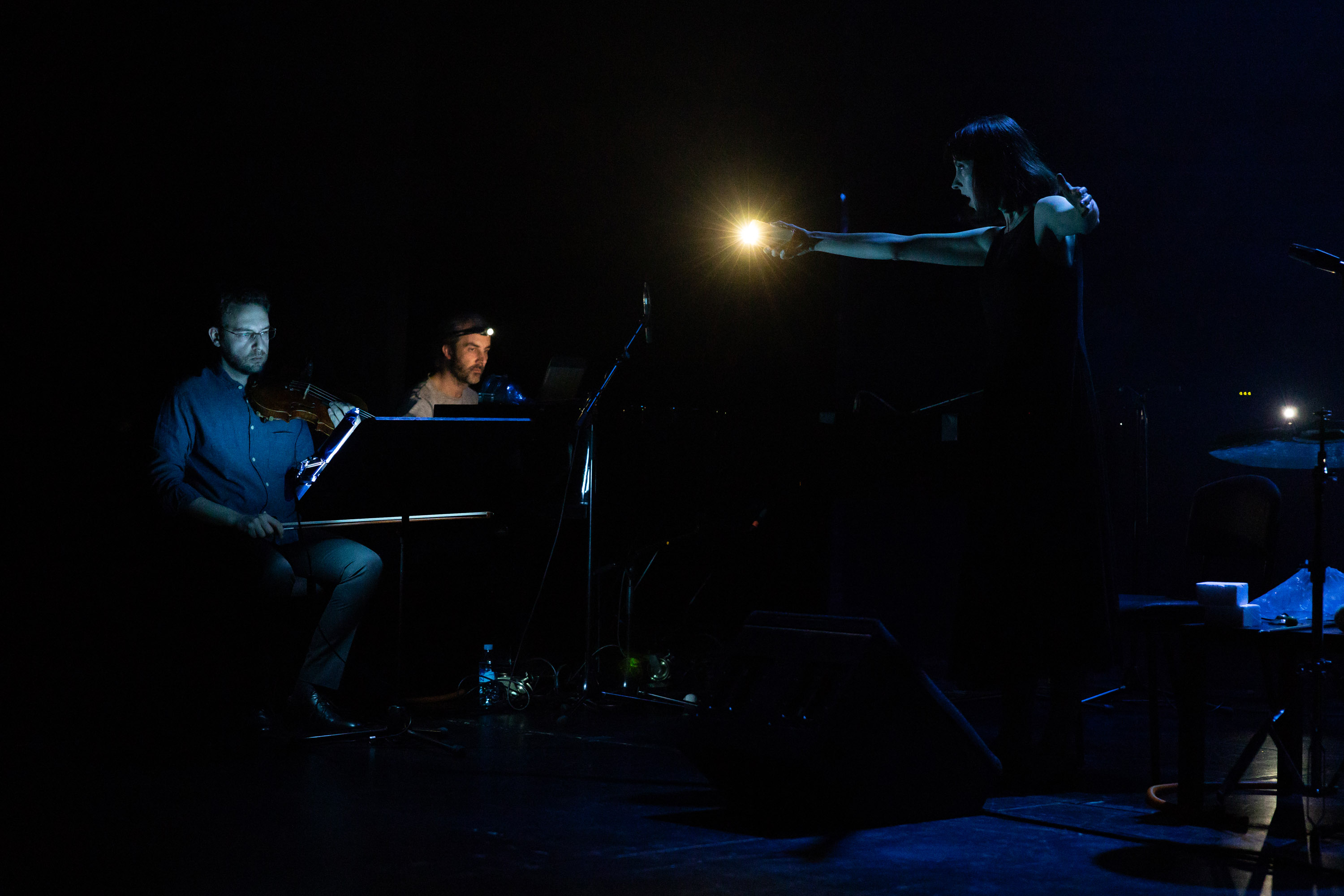
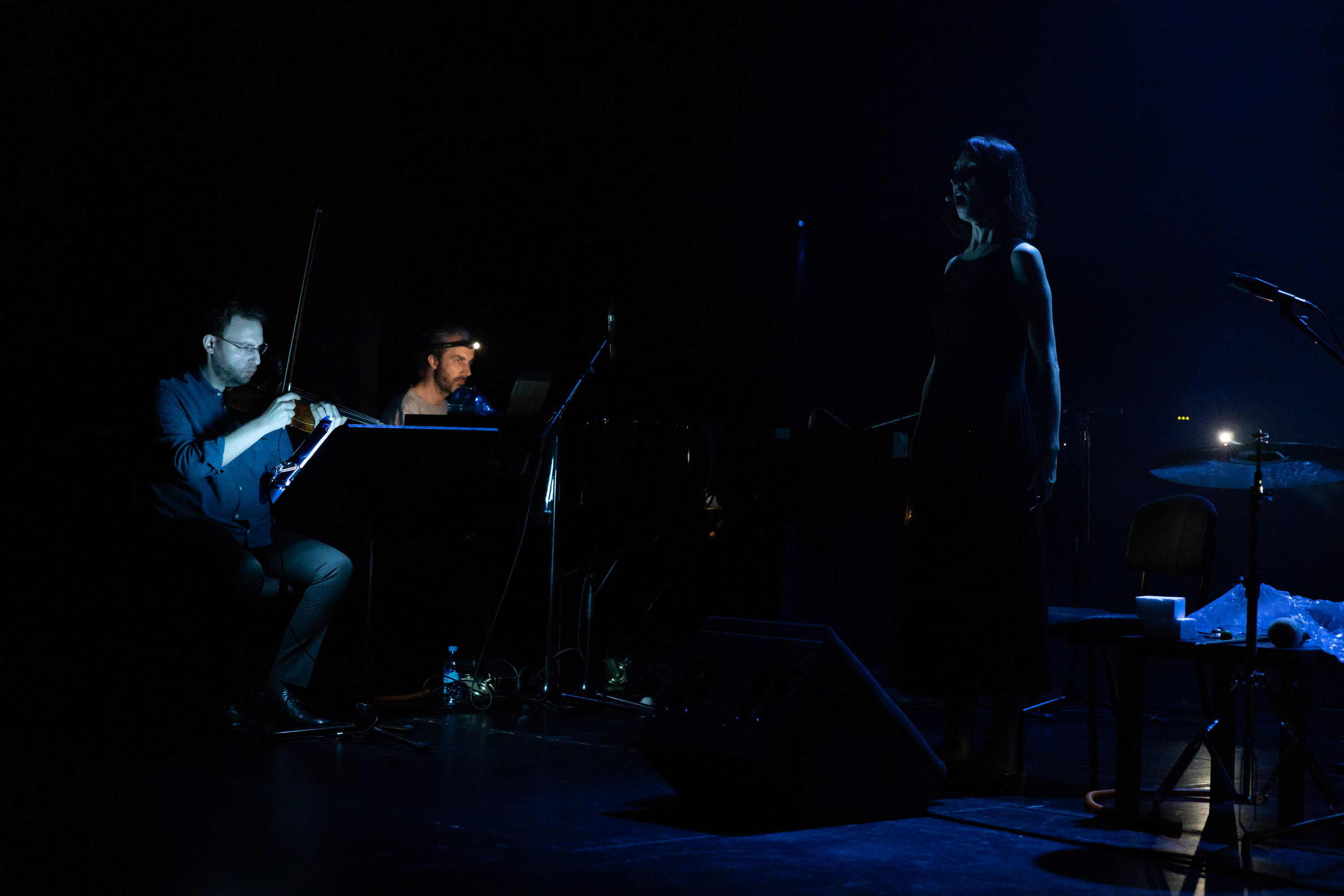
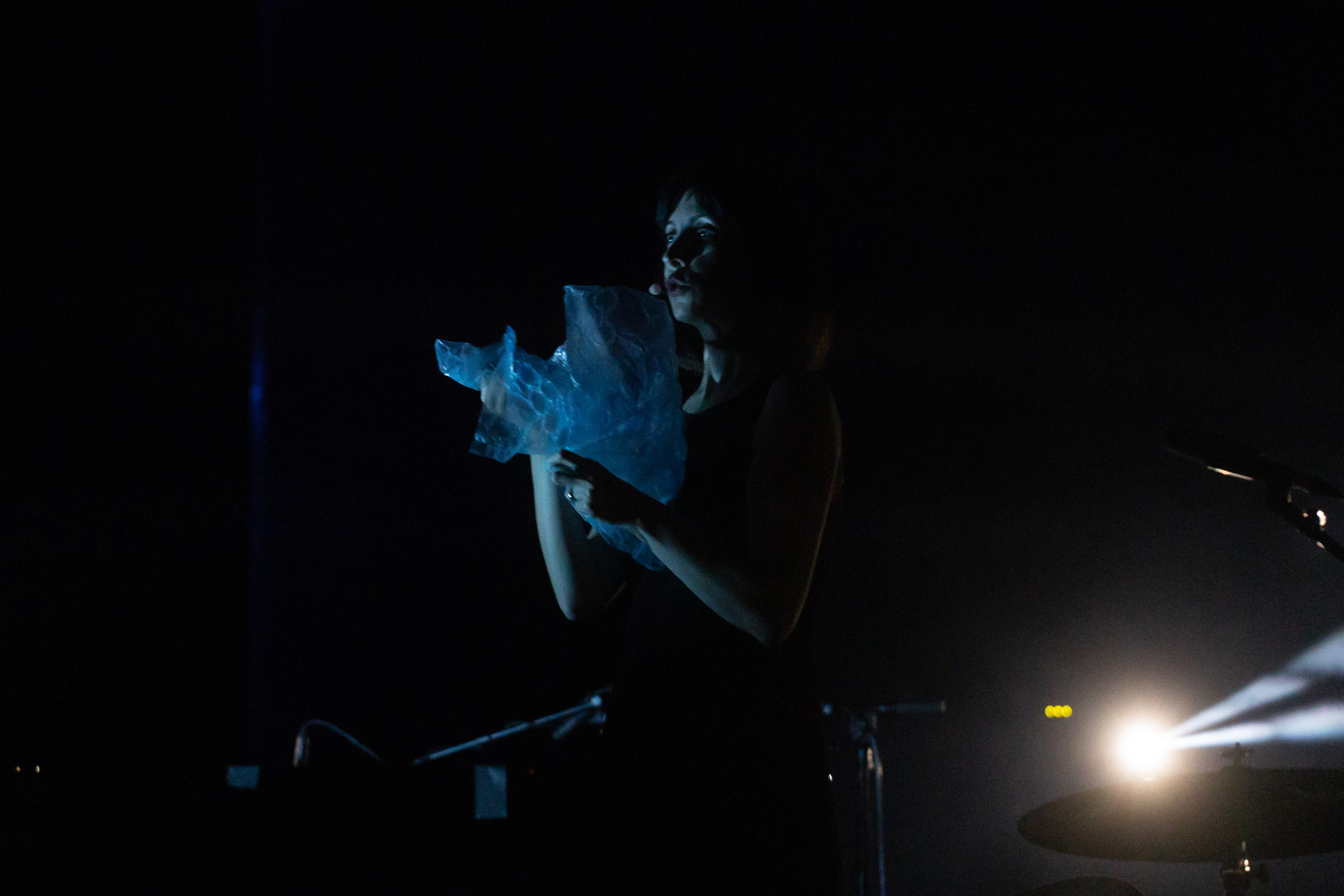
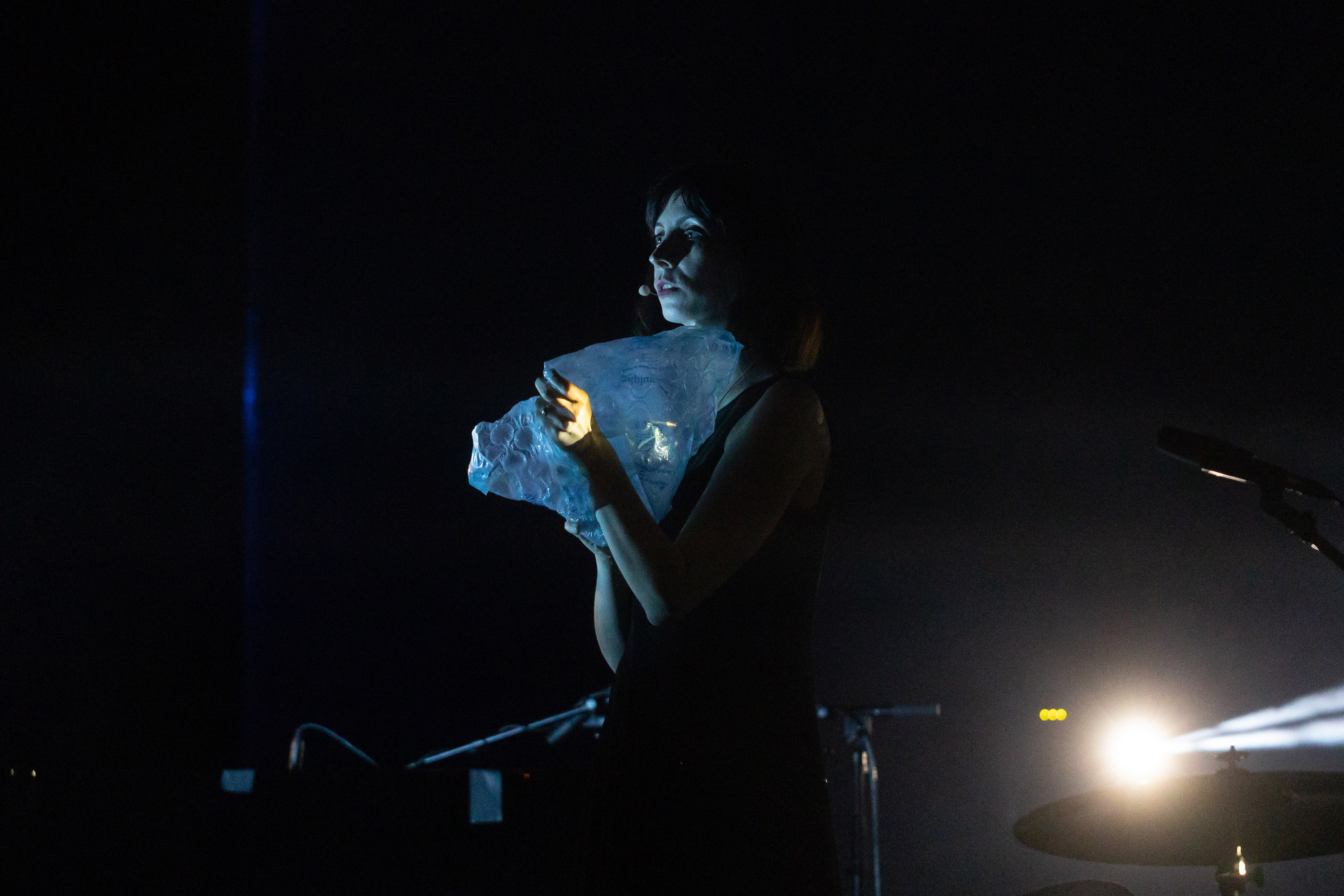
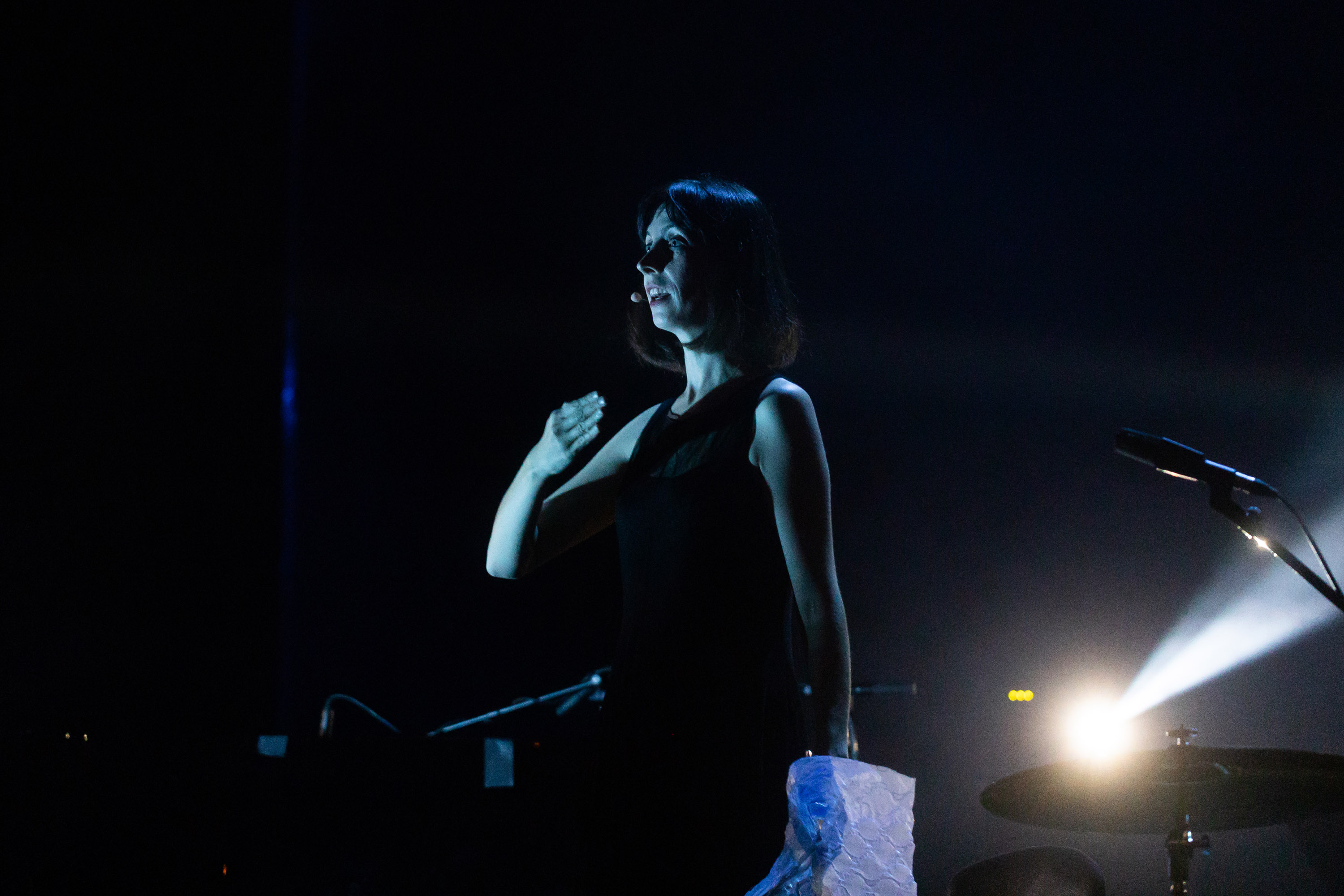
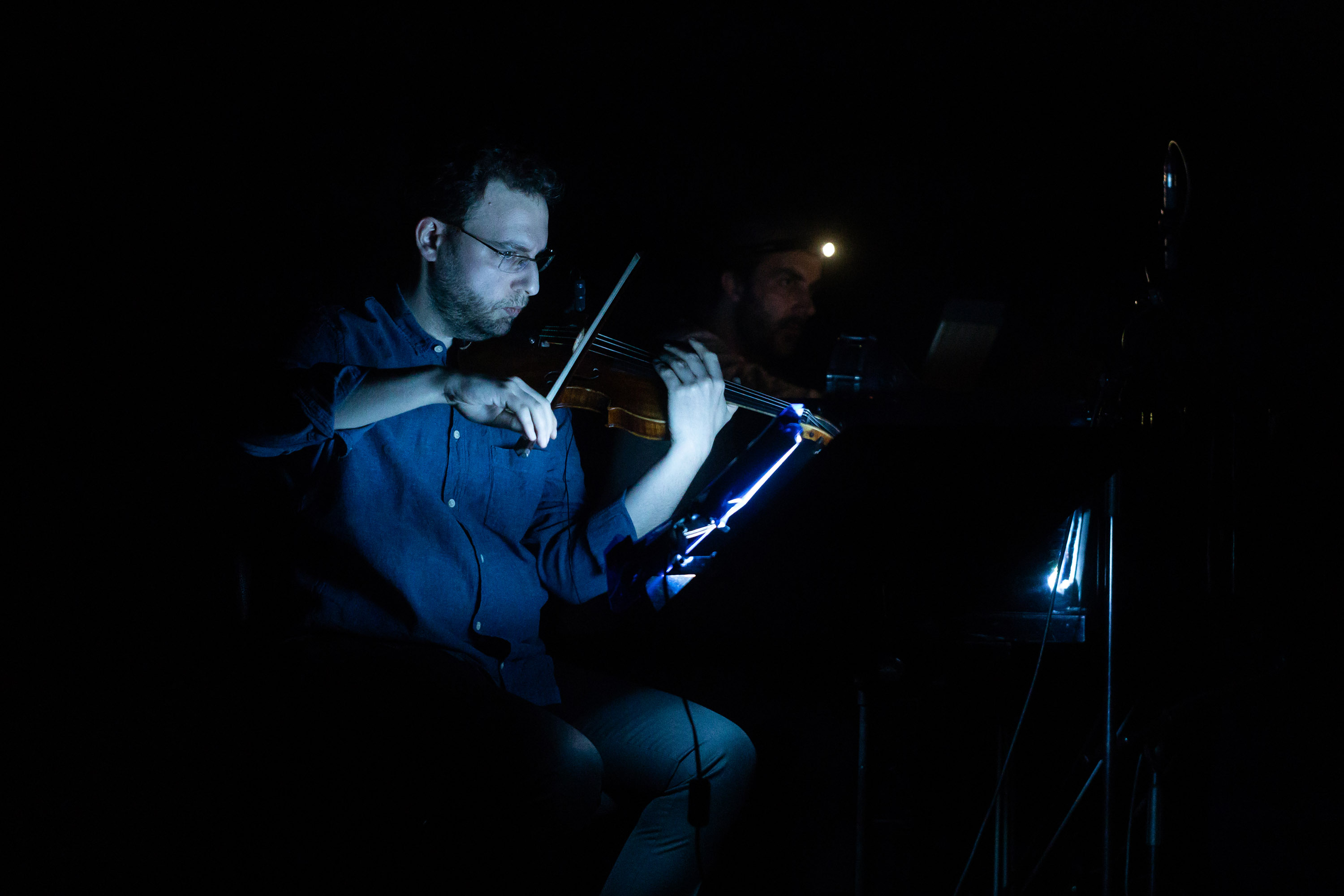
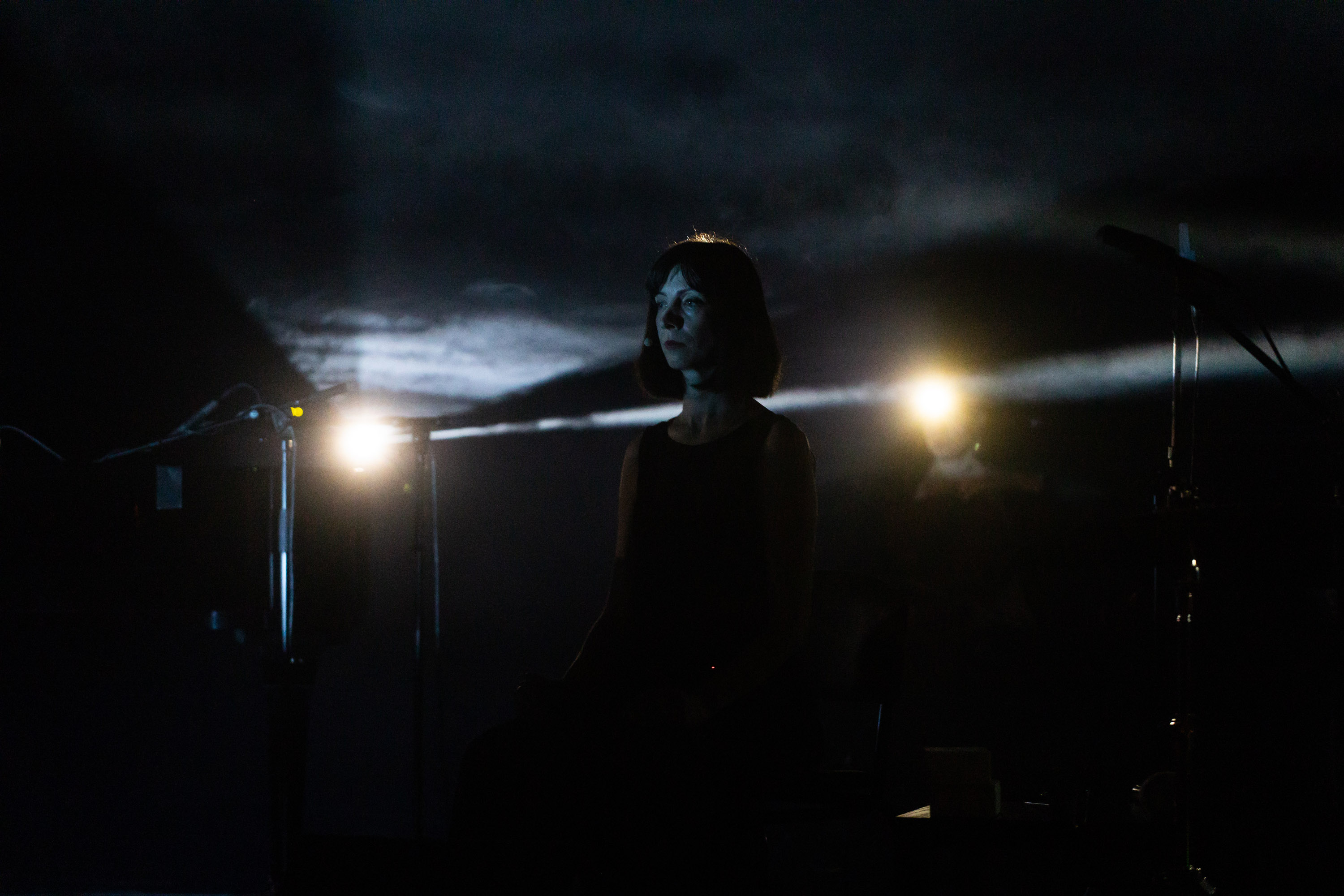
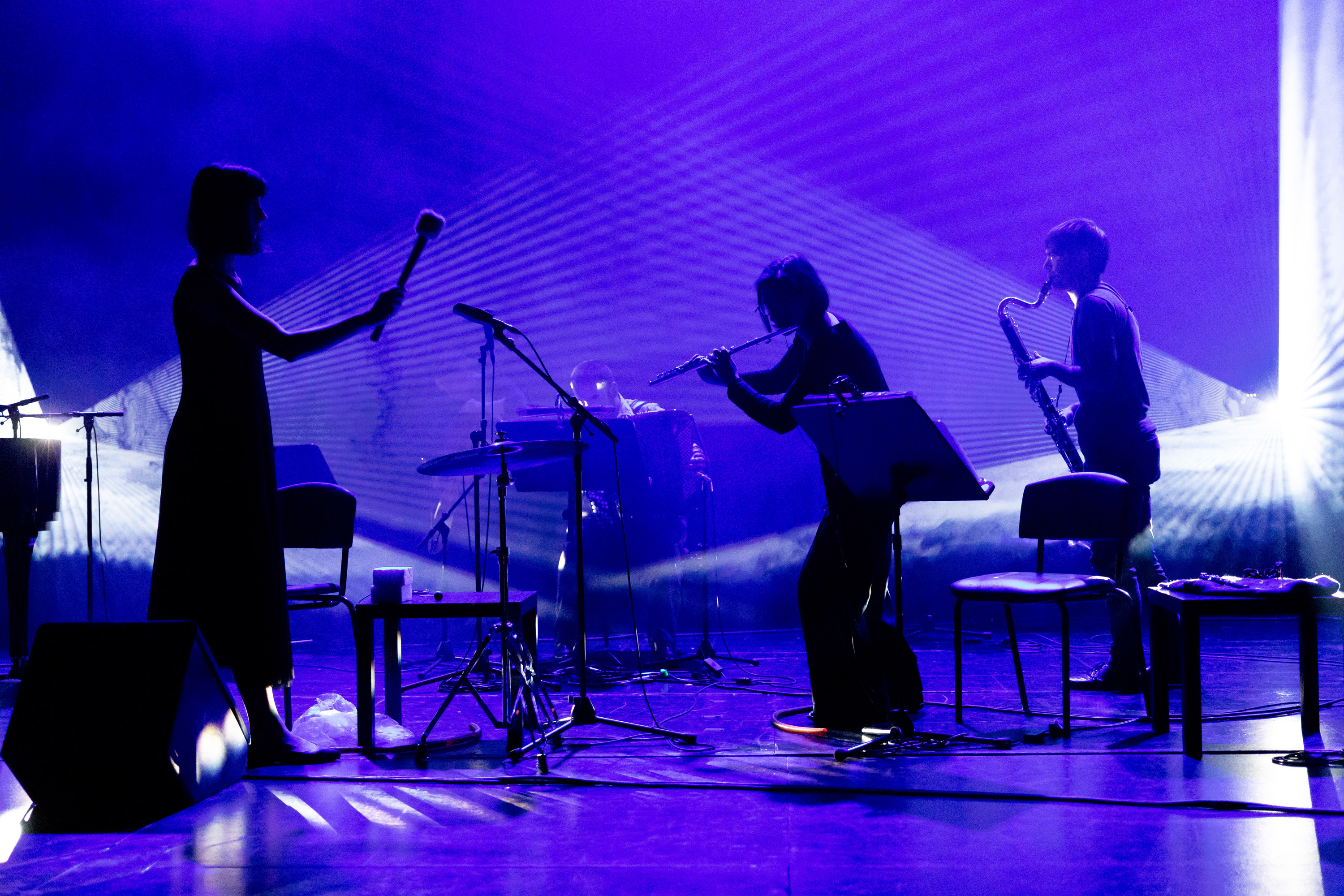
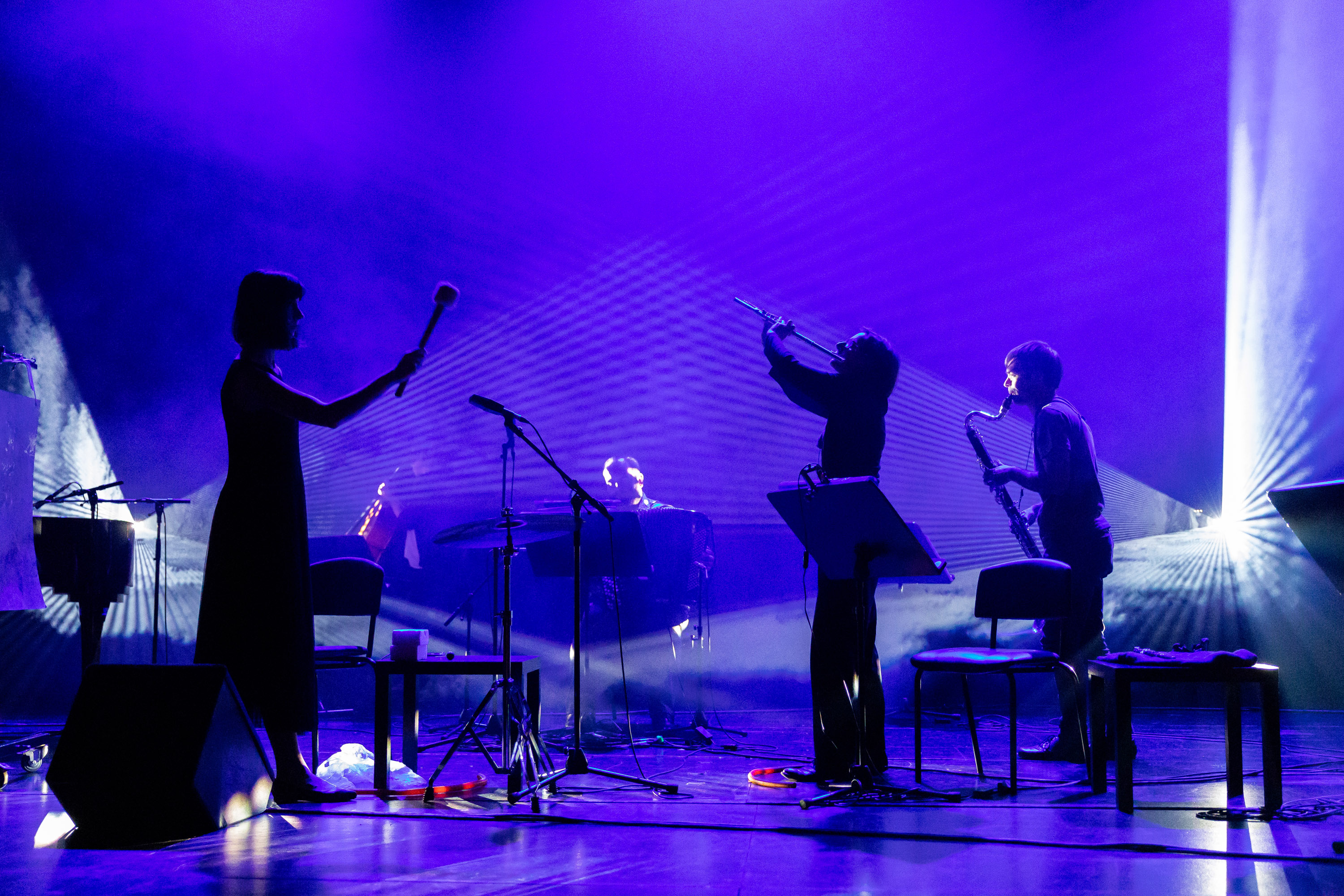
[DE] Im Jahr 2014 gründeten die Wiener Musiker Peter Kutin und Florian Kindlinger ein Forschungszentrum für den Umgang mit Zuständen gesteigerten Überdrucks. Glücklicherweise entschieden sie sich bald für einen etwas handlicheren Projektnamen: Ventil. Das schnell zum Kollektiv angewachsene Projekt untersucht seither, wie das Prinzip „Band“ im 21. Jahrhundert klingen und vor allem auch aussehen kann. Neben Kutin und Kindlinger spielen Katharina Ernst Schlagzeug und Michael Lahner Synthesizer, die bildende Künstlerin Conny Zenk übernimmt mit Projektionen und Lichtdesign jenen Part, den sie „Musik für die Augen“ nennt. Jüngster Zugang im Forscherteam ist die Opernsängerin und Performerin Johanna Baader. Sie verleiht den audiovisuellen Experimenten von Ventil mit ihren Stimminterventionen noch mehr Druck – und macht den Auftritt in Berlin zur Live-Premiere in der neuen Besetzung.

[EN] In 2014, Vienna-based musicians Peter Kutin and Florian Kindlinger established a research center to study how to manage various states of excess pressure. Luckily, they soon decided on a much simpler name for their project: Ventil – the German word for “valve.” Since then, the project, which quickly grew into a collective, has been reevaluating what a “band” could (and should) sound like – and look like – in the 21st century. Alongside Kutin and Kindlinger, Katharina Ernst plays the drums and Michael Lahner the synthesizer, while visual artist Conny Zenk contributes projections and light design, which she refers to as “music for the eyes.” The most recent addition to the research team is opera singer and performer Johanna Baader. With her vocal interventions, she brings even more pressure to Ventil’s audio-visual experiments – and will turn their performance in Berlin into a live premiere of the band’s new line-up.

KATHARINA ERNST ​— DRUMS, ELECTRONICS
PETER KUTIN ​— ELECTRONICS
FLORIAN KINDLINGER ​— ELECTRIC GUITAR, ELECTRONICS
MICHAEL LAHNER ​— SYNTHESIZER
CONNY ZENK ​— LIVE VISUALS
JOHANNA BAADER ​— VOCALS
VENTIL-RECORDS.COM

BLACKBOXED VOICES

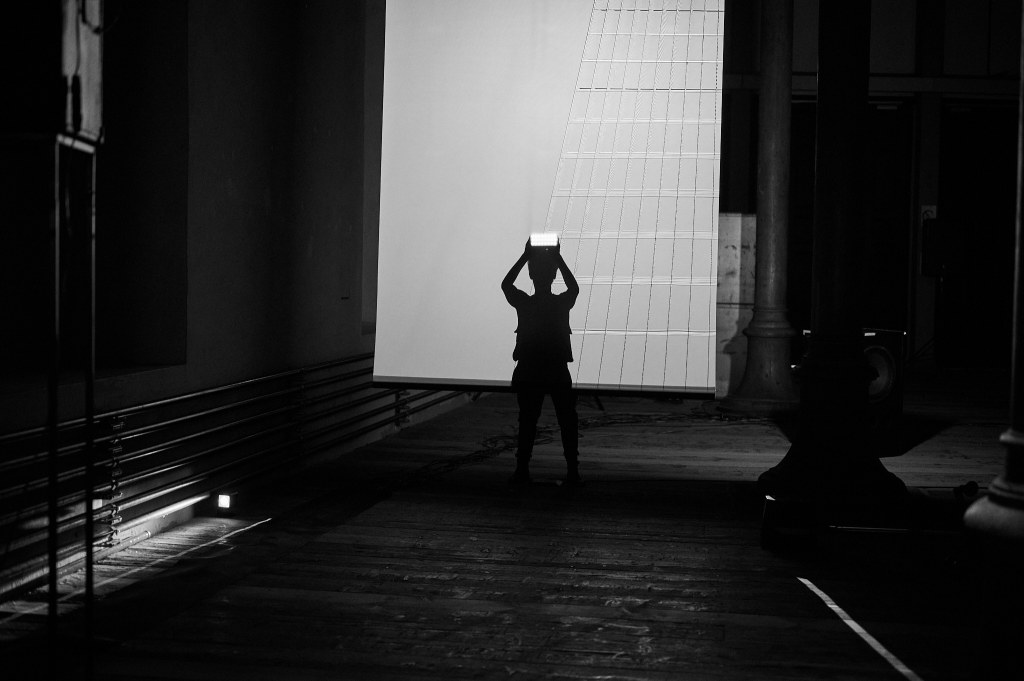
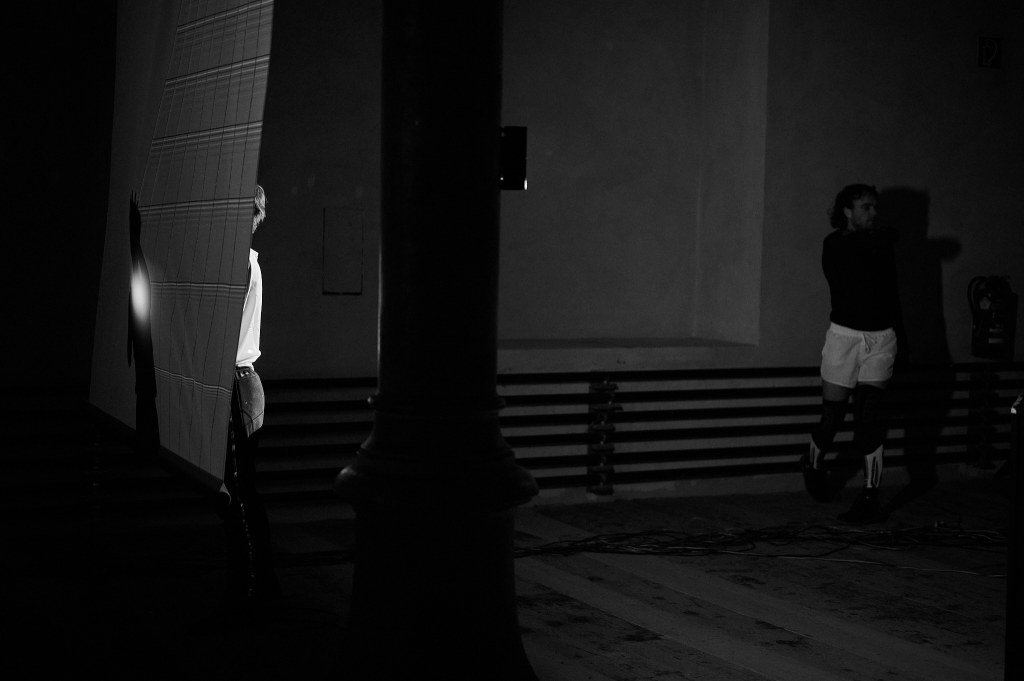
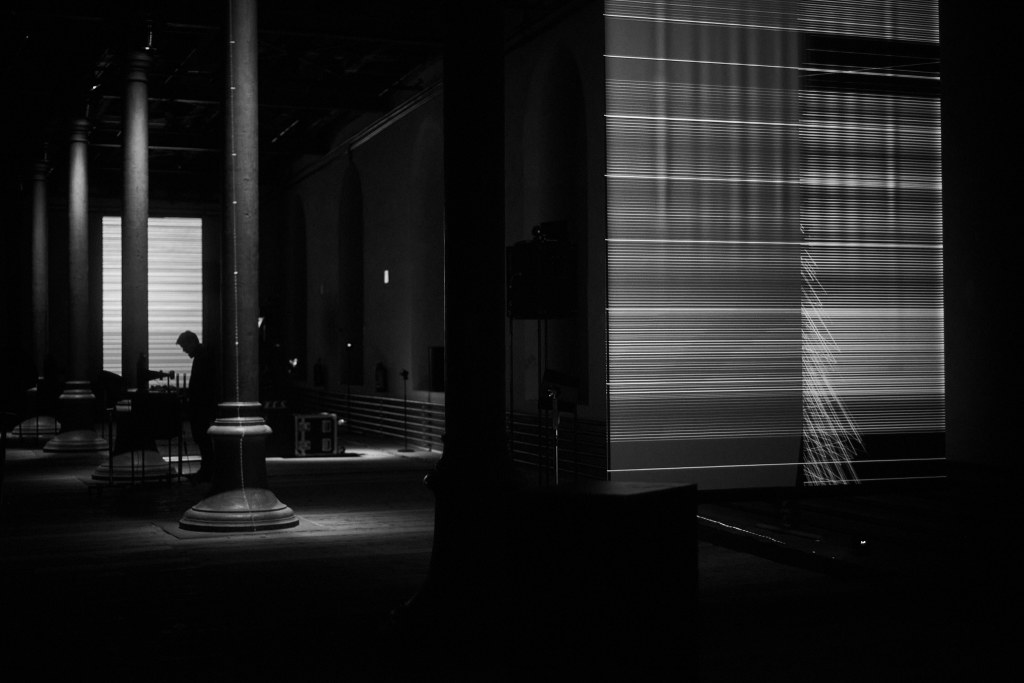
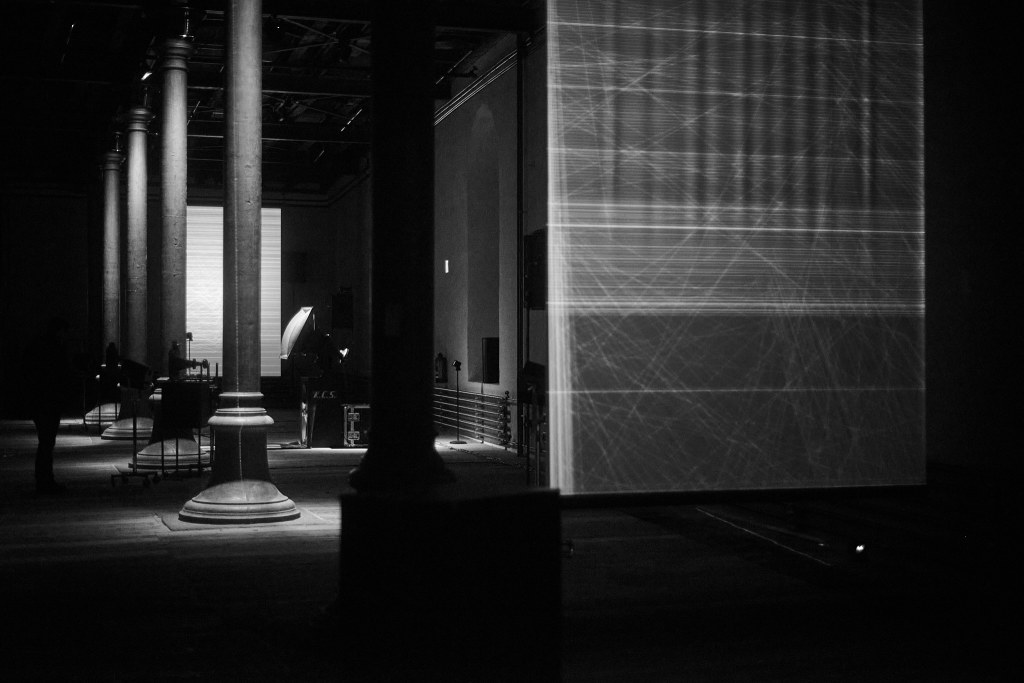
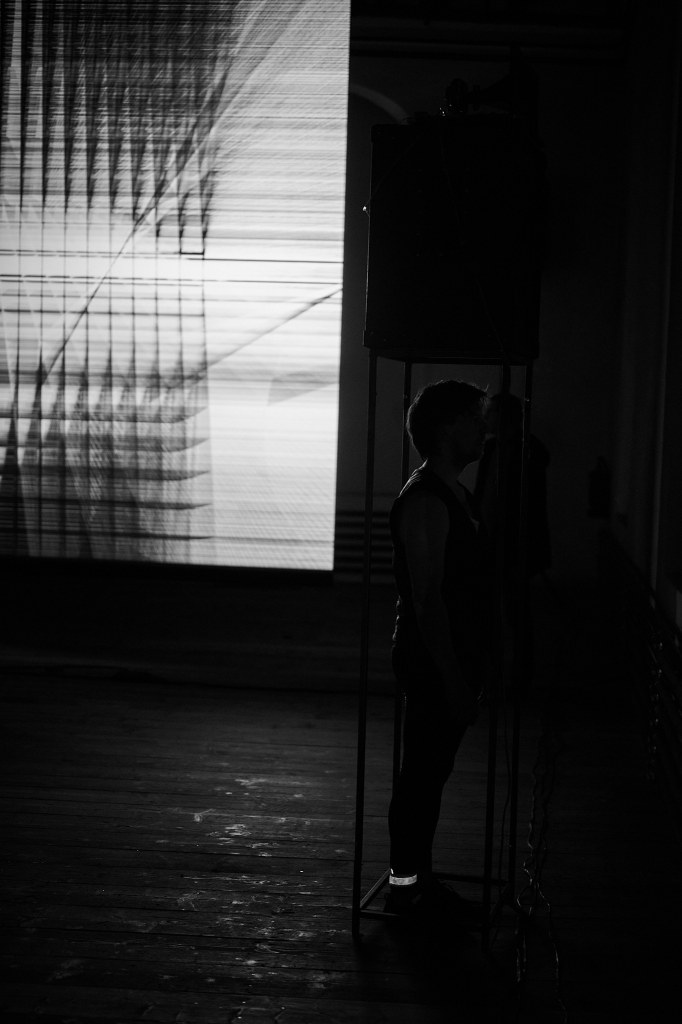
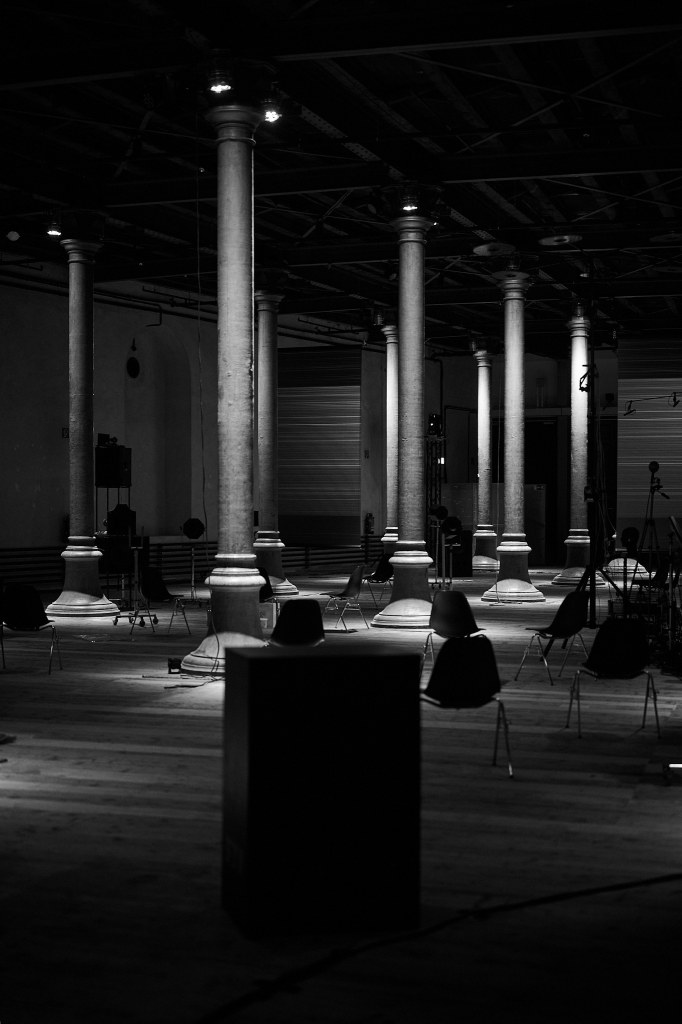
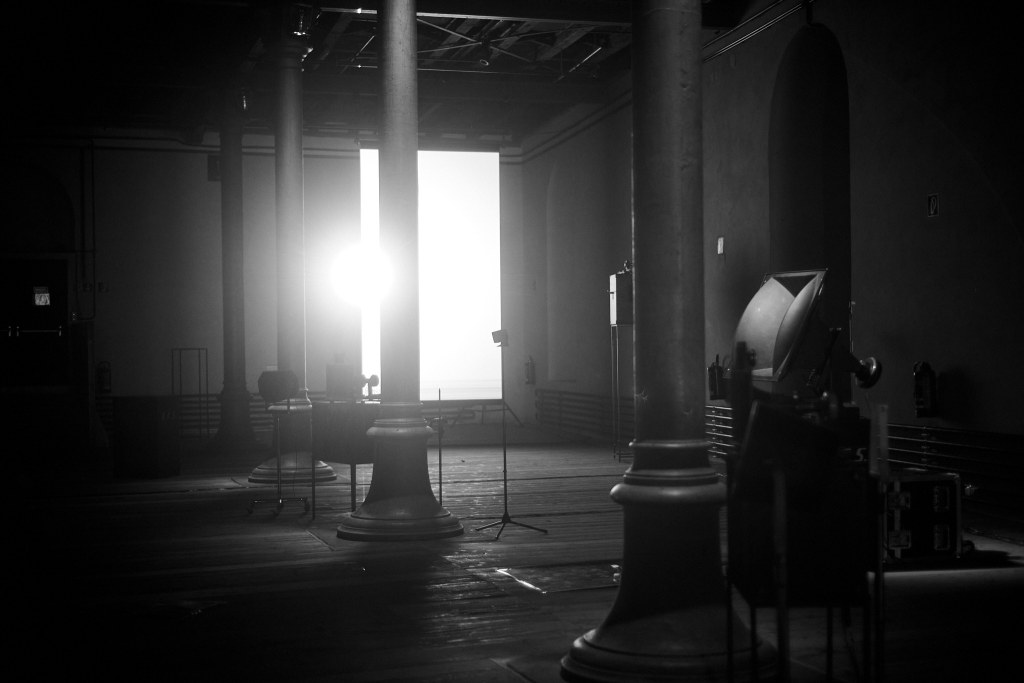
Räume aus Licht und Projektion verändern ihre Architektur bezugnehmend auf die Hör-Räume und Live Performances. Es entstehen Wiederholungen, Referenzen und Überlagerungen. Gleichzeitig spielt die Projektion im Raum mit sinnlicher Wahrnehmung: es handelt sich um eine ephemere, kaum greifbare, aber spürbare Lichtarchitektur, die über die Positionierungen und Plätze der ZuschauerInnen so räumlich wie der Klang ganz unterschiedlich auf das Publikum einwirkt. Dabei wird das Stück von Martina Claussen die inhaltliche und ästhetische Inspiration für die Visualisierung und Inszenierung im Raum. Die Leinwände und Projektionen in unterschiedlichen Formaten lassen eine zweite Ebene entstehen und bilden die visuelle Erweiterung zum akusmatischen Raumkonzept. Durch die unterschiedlichen Medien und Blickachsen gelingt es in reale, fast greifbare Landschaften einzutauchen und mittels Videoanimation den Rahmen für die Imagination zu eröffnen. (Connny Zenk)

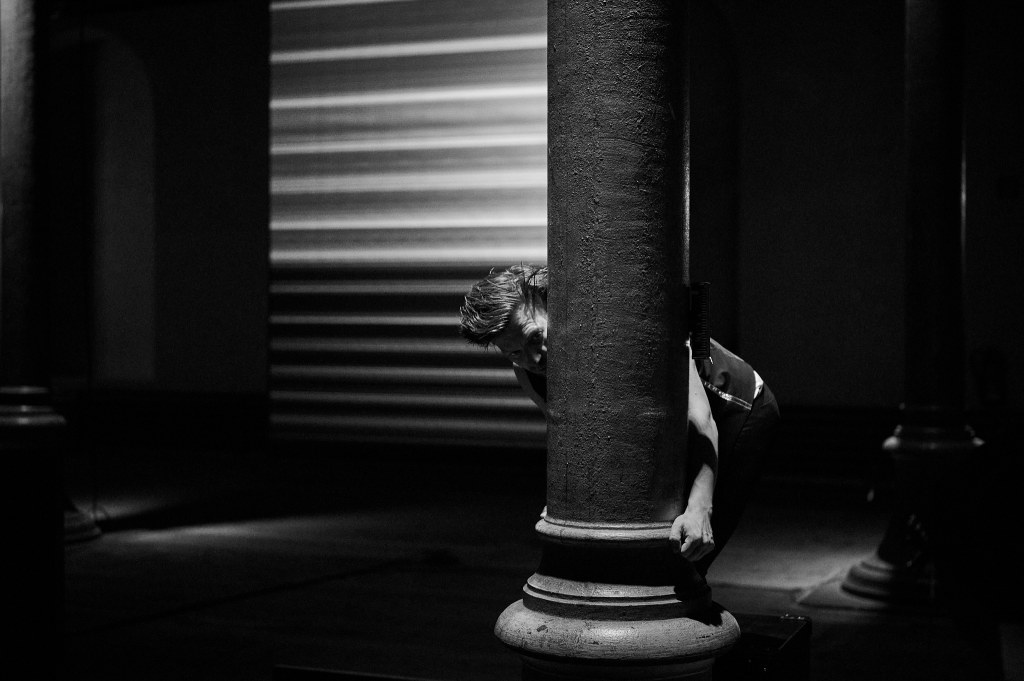
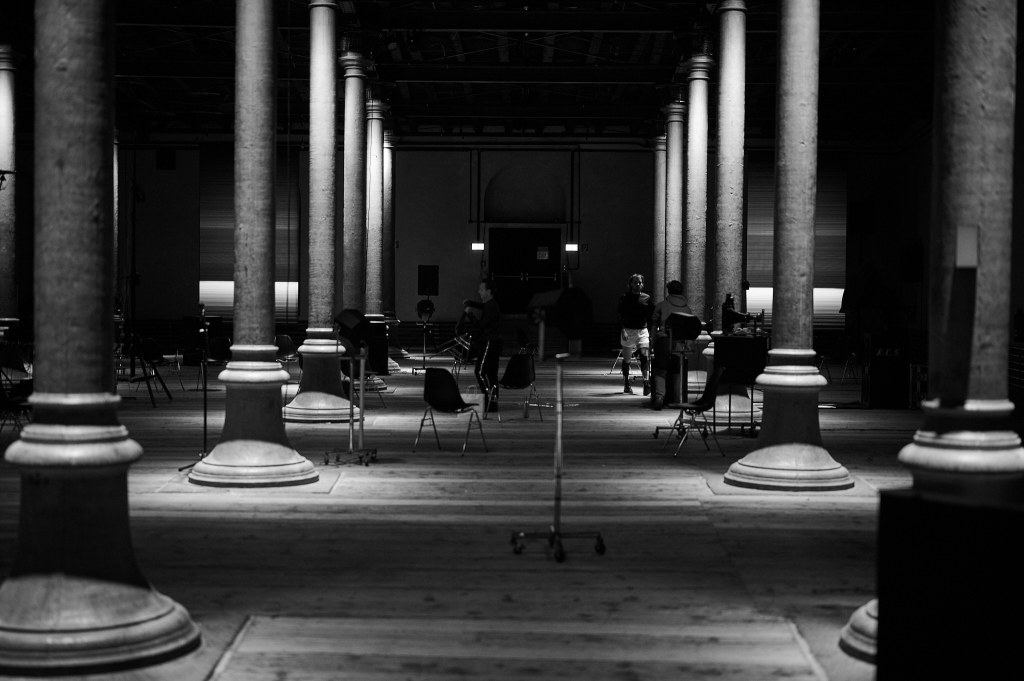
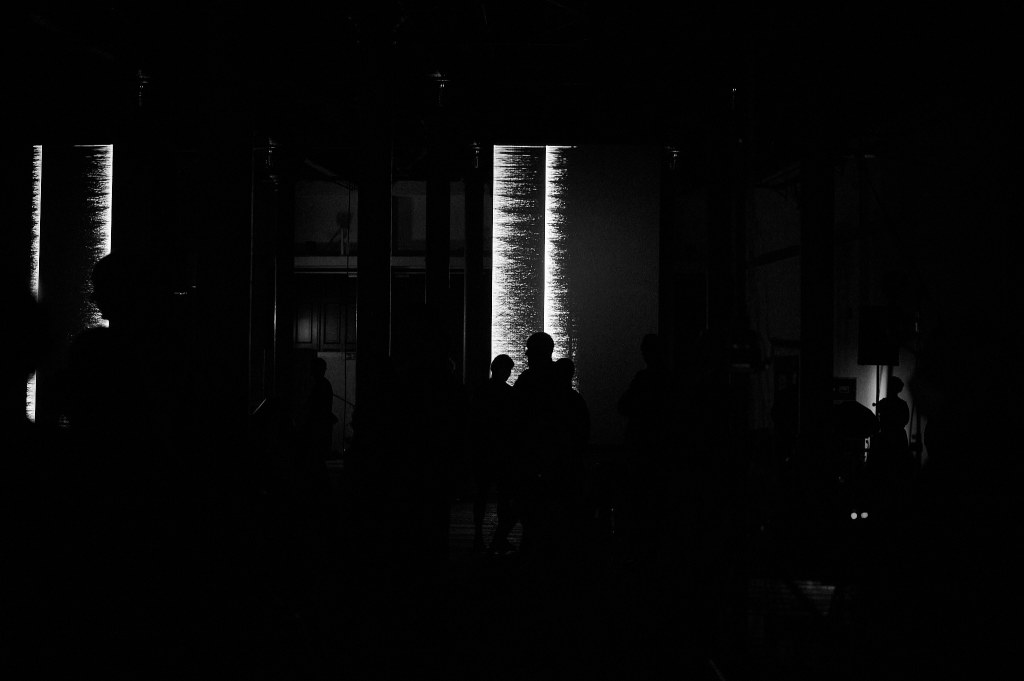
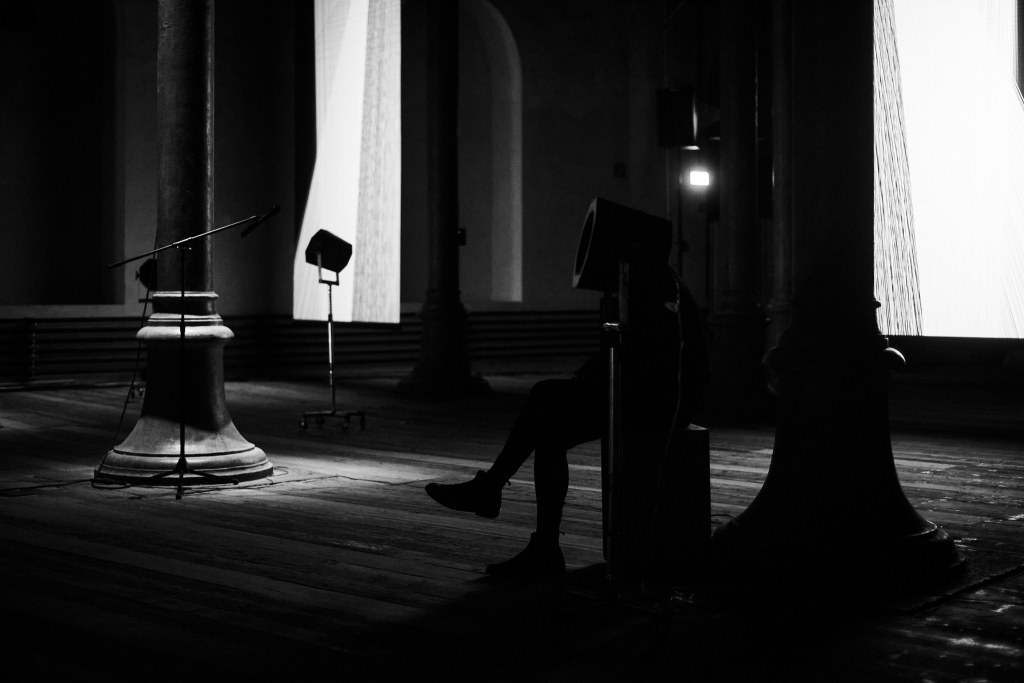
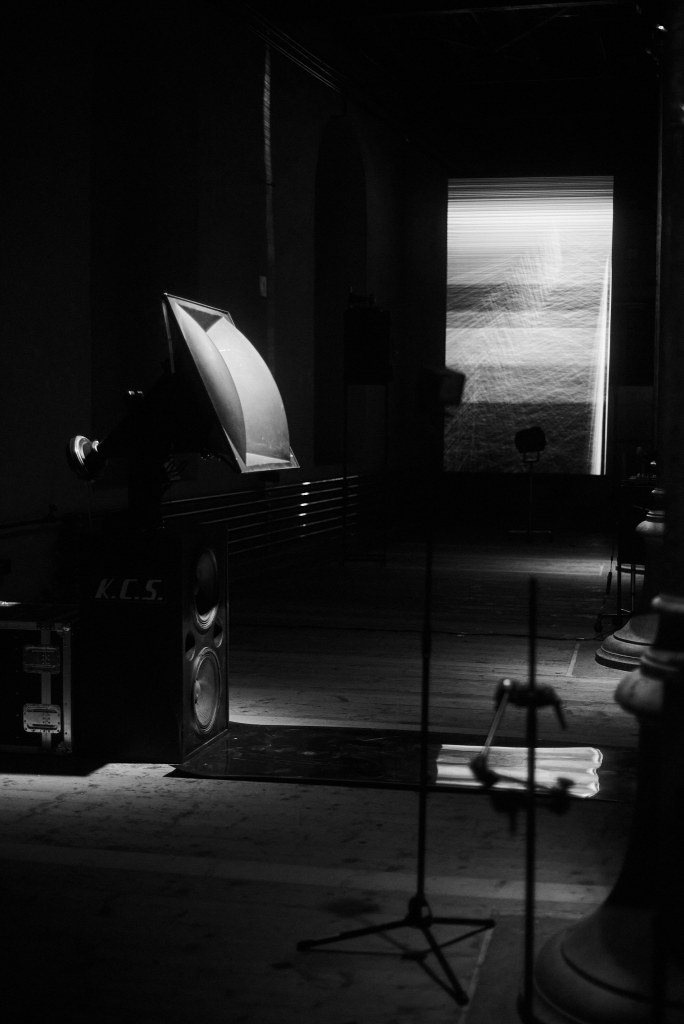
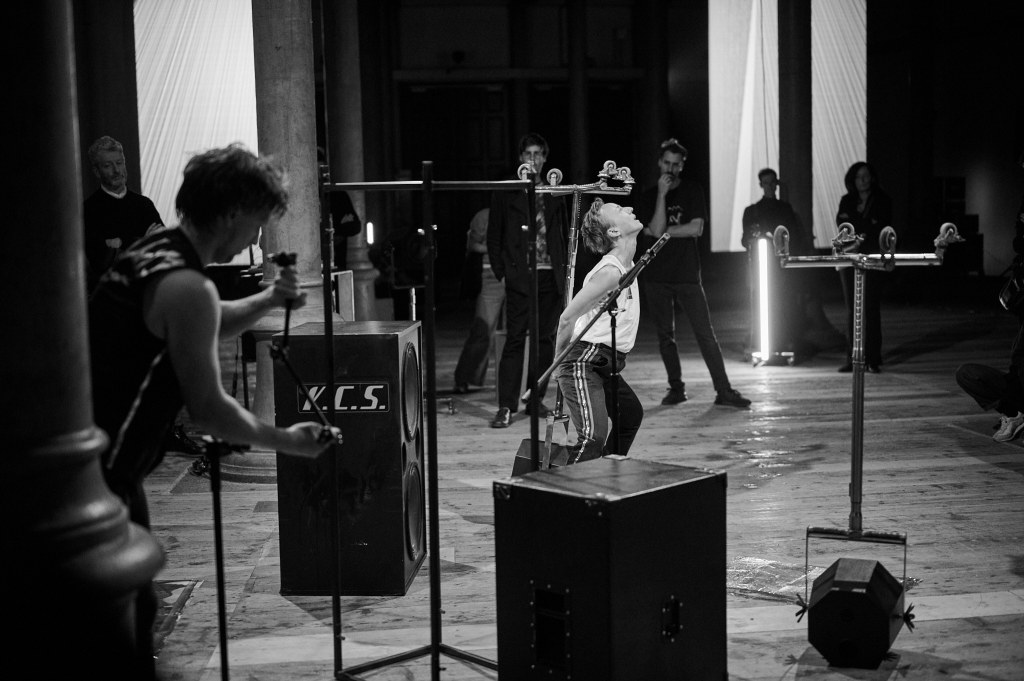
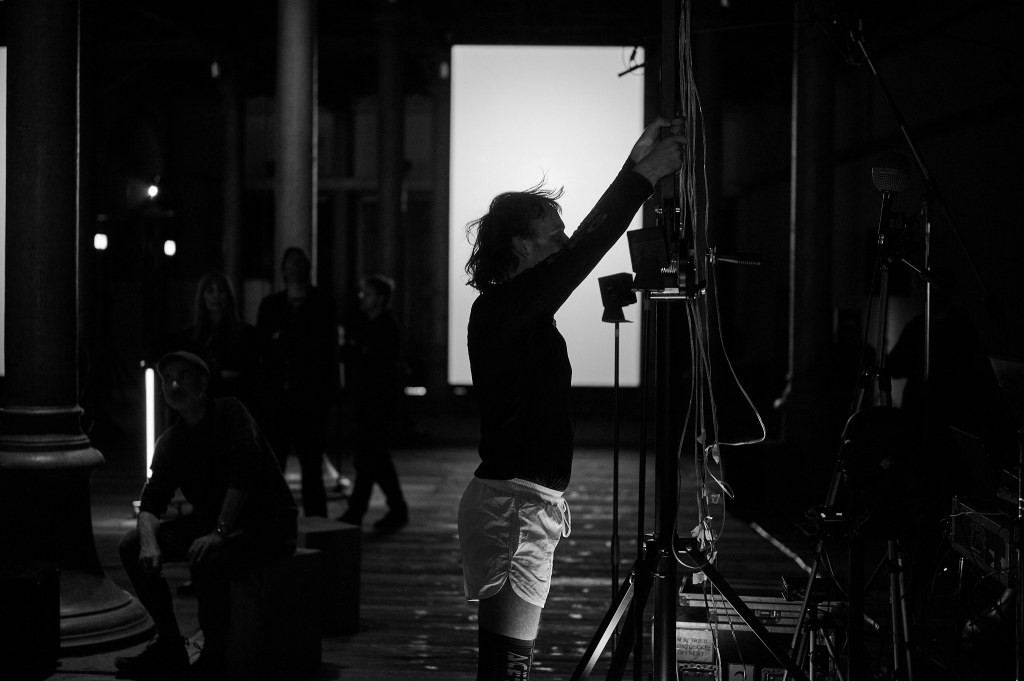
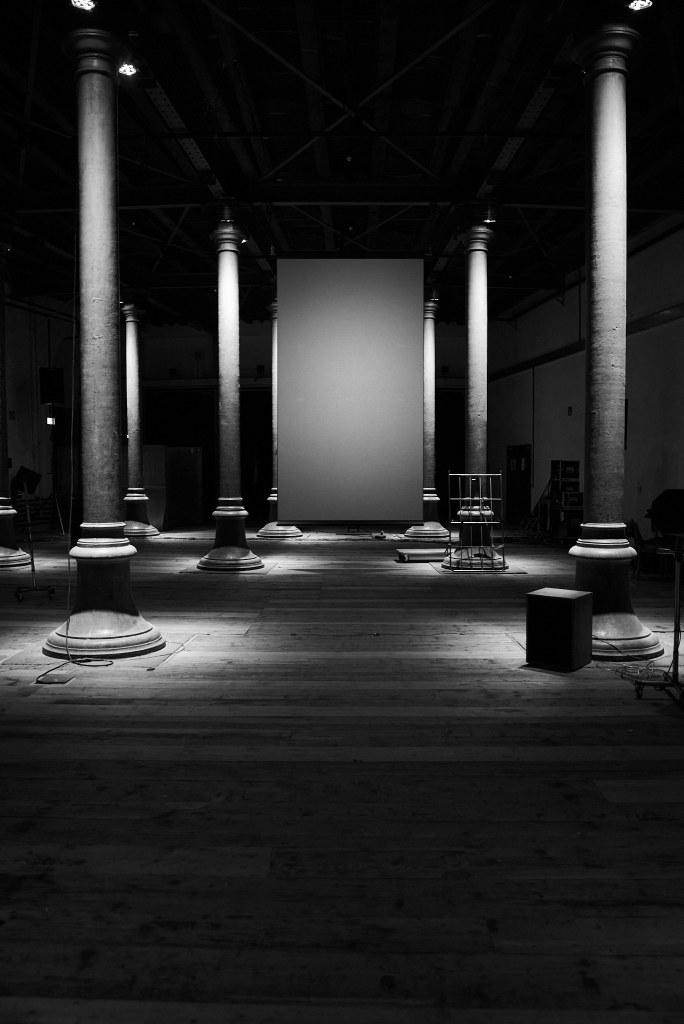
In Blackboxed Voices fließen Architektur, Licht, Performance und Klang ineinander, transformieren und bedingen sich wechselseitig. Im Mittelpunkt steht die Verflechtung menschlicher und nicht-menschlicher Stimmen und Körper: Vier Performer:innen, 32 Lautsprecher, Säulenhalle, Licht- und Heizkörper bilden das Sprechorgan dieser performativen Klanginstallation. Klänge treten aus Boden- und Wandritzen, aus Kehlen, aus Lautsprechern des Akusmoniums hervor und werden durch die Architektur der Säulenhalle geformt und geprägt. Stimmen erklingen live und losgelöst vom menschlichen Körper, finden sich in elektronisch generierten Klanglandschaften wieder und reiben sich an den Klangstrukturen der Performer:innen. (Martina Claussen/Brigitte Wilfing)

Mitwirkende
MARTINA CLAUSSEN: Komposition, Spatialisation, Künstlerische Projektleitung
BRIGITTE WILFING: Performance, Choreographie, Inszenierung
ALEX FRANZ ZEHETBAUER Performance
TOBIAS LEIBETSEDER: Performance
PATRIC REDL: Performance
THOMAS GORBACH: Akusmonium, Produktionsmanagement The Acousmatic Project
CONNY ZENK: Video und Lichtarchitektur
GEORG HARTL: Lichttechnik
PATRIZIA RUTHENSTEINER: Kostüme, Ausstattung
MARKUS GRADWOHL: Fotografie

Termine:
Samstag, 12. November 2022, 17:00 und 20:00 Uhr
Sonntag, 13. November 2022, 17:00 und 20:00 Uhr
Atelierhaus der Akademie der bildenden Künste Wien
Léhargasse 6, 1060 Wien

https://www.wienmodern.at/2022-martina-claussen-blackboxed-voices-de-2390
https://www.tanzschrift.at/buehne/kritisch-gesehen/1535-poetisch-und-prosaisch-zwischen-saeulen-und-boxen

Memories of a Vanishing Lake

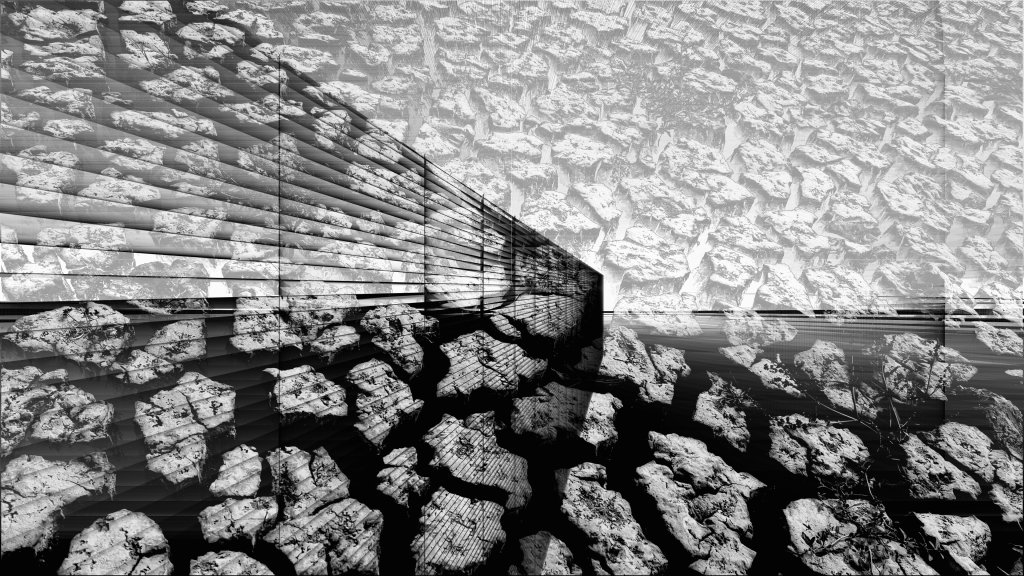
For 13,000 years, Lake Neusiedl has regularly fluctuated between deep flooding and complete desiccation. Increasingly frequent heat waves in summer often cause the water level of the steppe lake to drop deeply. In July 2022, the water level was lower than at any time since 1965.

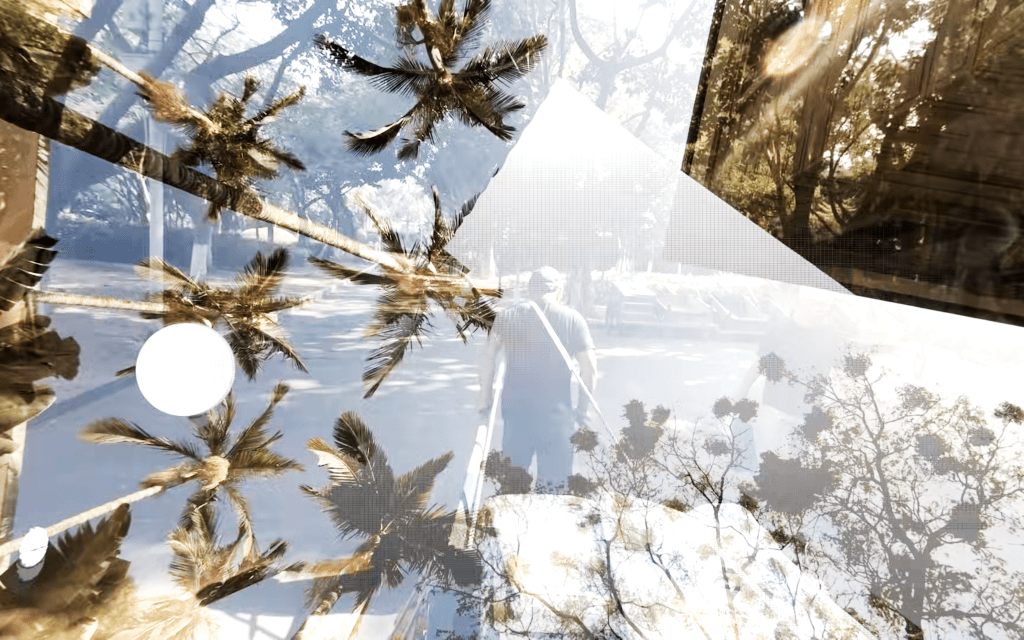
At the beginning of the project’s research phase, the artists Conny Zenk, Eva-Maria Schaller, and Marco Döttlinger, developed questions connected to the region of Lake Neusiedl, in particular, Podersdorf am See, a rural area situated in Burgenland (AT). Setting up a participatory sound installation that invited local residents to join in, they collected stories, sounds, impressions, and experiences that initiated a process of translating narratives into various forms of artistic processes. Focusing on the central topic of translation as a pivotal phenomenon for their own collaborative practice, the artists analyzed the sounds and synthesized fragments of rhythms as well as speech melodies of recorded voices in order to superimpose and elaborate on these sounds created in real-time. Progressively shifting their focus of the work from the idea of interviewing people to interviewing the space and even the natural elements around them such as water or bodies, they designed this experimental film as an ever-changing conversation in the image of a transformative landscape made of sound, video, and the landscape itself. The film is devised as hybrid multimedia work.

What does the landscape around Lake Neusiedl sound like? What changes within the last years or decades can you remember? The acoustic feel, the soundscape that surrounds us, is also always an indicator of the state of a system.

Experimental Documentation
Memories of a Vanishing Lake
production year: 2022
length: 10:57 min
Digital, 16:9 – 4k / HD, 1920 x 1080px / 3840 x 2160 px

Regie & Animation: Conny Zenk
Sound & Sonification: Marco Döttlinger
Camera: Ioana Tarchila
Research: Conny Zenk, Marco Döttlinger, Eva-Maria Schaller

Self-Portraits in Imaginary Places

Self-Portraits in Imaginary Places is a scenic musical work for a female singer/performer, ensemble, electronics, movement, video and light, which was awarded with the Theodor Körner Förderpreis 2020.

Creative team
Aleksandra Bajde | concept, composition, voice, performance
Lili M. Rampre | choreography, movement
Conny Zenk | light architecture, stage design

in collaboration with
Isabella Forciniti | electronics, modular synthesizers
Schallfeld Ensemble

In cooperation with International Society for Contemporary Music-Austrian Section, NOW! Oper der Gegenwart, Cankarjev dom, Festival City of Women, and HAZE – Association for the promotion of transdisciplinary art and technologies.
Supported by the Federal Ministry for Arts, Culture, Civil Service and Sport, City of Vienna, Theodor Körner Fonds, SKE, Austrian Cultural Forum Ljubljana, State of Styria, City of Graz, LSG and AKM/GFÖM.

CARGO CARRIERS

Foto: Pin Long, CARGO CARRIERS, 2021

CARGO CARRIERS is an experimental short film that takes the audio-visual perspective of a
“carrying guy” on Kulangsu island in Fujian Province, China. The architecture of Kulangsu and the daily routes of the protagonist Mr. Stone, will be the starting point for the audio-visual and poetic interpretation of the film. Abstract animations create a digital assemblage of the streets of Kulangsu. CARGO CARRIERS is dealing with the contradiction between the historical world cultural heritage, tourism, and a workers life on Kulangsu island.

Experimental Animation
CARGO CARRIERS
production year: 2021
length: 10:56 min
Digital, 16:9 – 4K, 3840 × 2160px
Surround 5.1

Concept, Sound and Animation : Conny Zenk
Camera Dolly : Mr. Stone
Poetry : Bunny Tsai
Translation : Peter Chuang

Preview link CARGO CARRIERS password required – please send an email if you’d like to preview the film!

linger on.

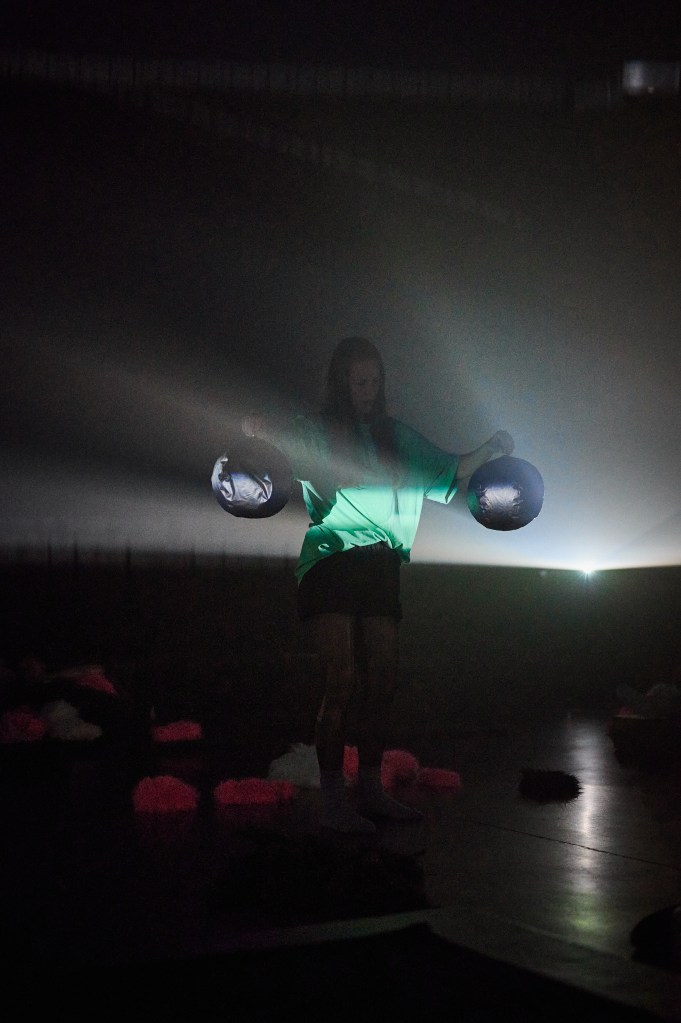
Für das abgesagte donaufestival 2020 wurde die österreichische Choreographin und Performerin Lisa Hinterreithner eingeladen, ein neues Stück zu kreieren, in dem physische Berührungen und die Überwindung von Distanzen zentral gewesen wären. Darin sollten die sozialen Abhängigkeiten und Verletzlichkeiten reflektiert werden, die die Ideologie des autonomen Individuums durchkreuzen. Aufgrund der Pandemie musste die angestrebte Verschmelzung von Performer*innen und Publikum verworfen werden. Stattdessen performen Hinterreithner und Rotraud Kern, Linda Samaraweerová und Robert Steijn nun in einem Environment, in dem sich die Besucher*innen als für sich liegende bzw. lümmelnde Körperinseln im choreographierten Raum wiederfinden. Eingehüllt in Licht- und Nebelbilder von Conny Zenk und affektiv aufgeladenen Sounds von Lisa Kortschak und Elise Mory entsteht so die Möglichkeit einer kollektiven Empfindsamkeit. Berührungen suchen Zugänge zu den Körpern. linger on steuert die Sinneswahrnehmung an und gesellt der Sorge um sich selbst die Sorge um andere hinzu.

Choreografie, Performance und Text: Lisa Hinterreithner
Choreografie und Performance:
Rotraud Kern, Linda Samaraweerová, Robert Steijn
Sound:
Lisa Kortschak, Elise Mory
Lichtarchitektur:
Conny Zenk
Set:
Katharina Kapsamer, Lisa Hinterreithner
Kostüm:
Constanze Stahr
Dramaturgisches Feedback:
Robert Steijn
Dokumentation: Eva Würdinger and Markus Gradwohl
Produktionsleitung: Franziska Zaida Schrammel
Produktion: Up. (Unpredictable Past)
Koproduktion: donaufestival Krems, ARGEkultur Salzburg
Gefördert von: Stadt Salzburg, Land Salzburg, Bundesministerium für Kunst, Kultur, öffentlichen Dienst und Sport, Stadt Wien Kultur

Dank an: Michaela Altweger, Georg Hartl, Katharina Hinterreithner, Liquid Loft

Dauer 55 Minuten

The Absence of Nothing

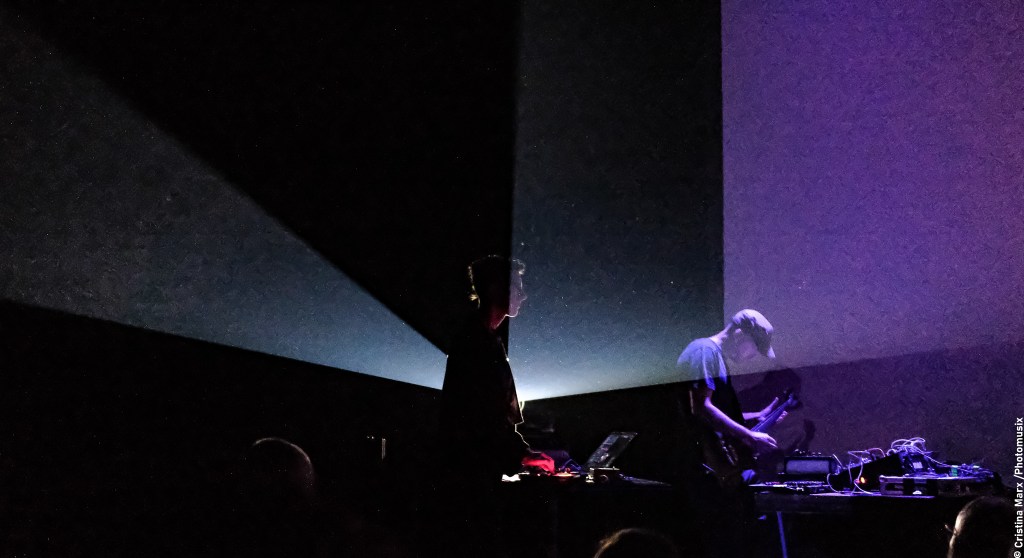
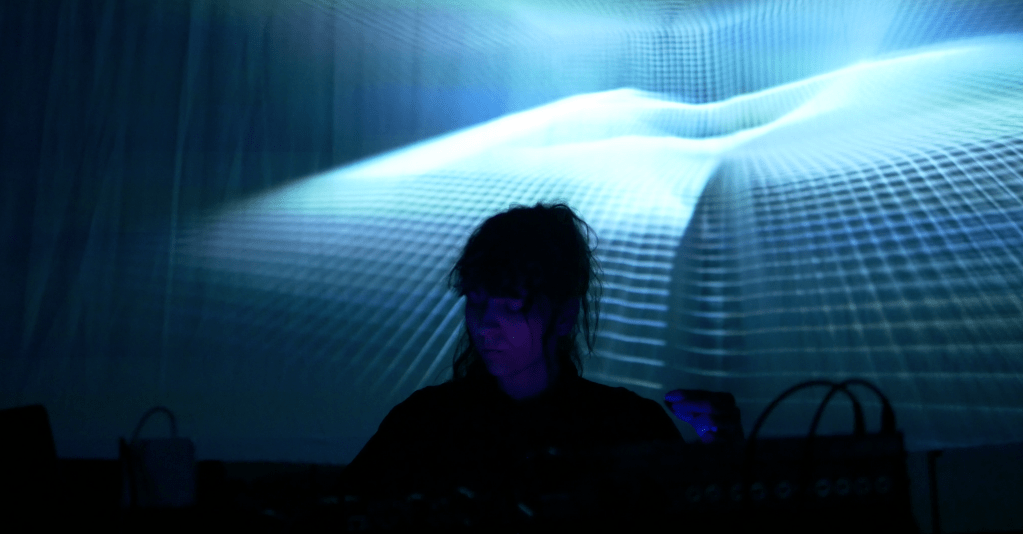
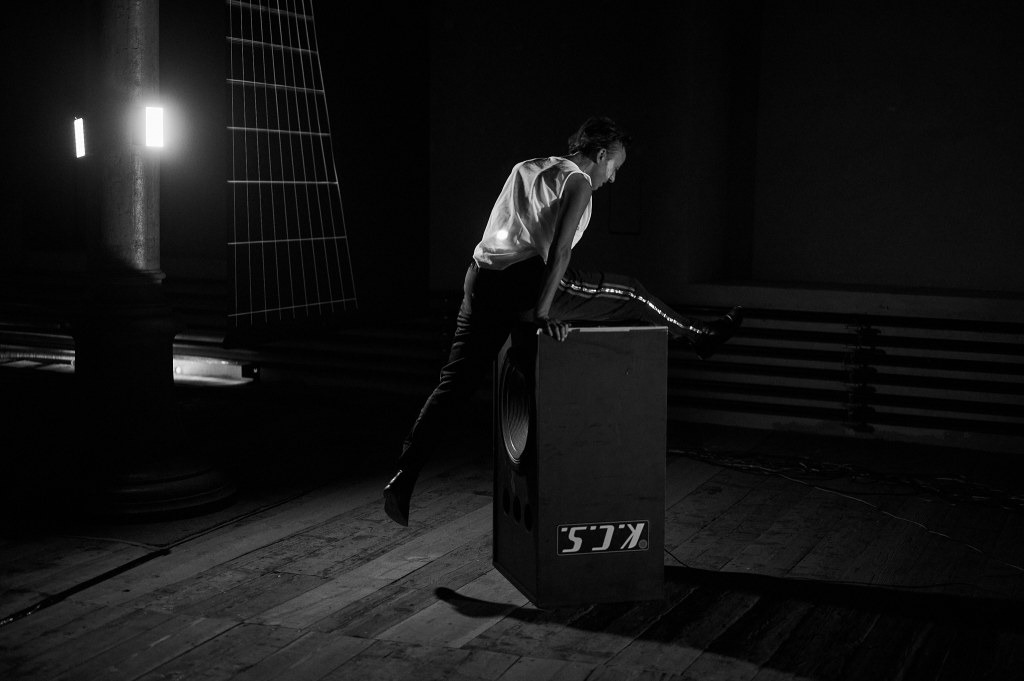
Medienkünstlerin Conny Zenk & Musikerin Gischt fusionieren für ihr gemeinsames audiovisuelles Projekt ‚The Absence of Nothing‘. Mittels Klang- und Licht-Architekturen wird der Raum auf die Kontradiktion von Vorhandenem und Abwesendem überprüft. Sich konstant morphende Bildwelten, mäandernde, ins harsche abdriftende Sounds entwickeln dabei Sogwirkungen, die infrage stellen, ob die Abwesenheit des Nichts, tatsächlich in einer Überfülle und Überlagerung von Reizen mündet oder vielmehr unsere Wahrnehmung schärft.

THE ABSENCE OF NOTHING
11 Sept – STWST48x7 OUT OF MATTER
23:00 – Live AV-Concert – STWST Saal, Linz